
Emergency Preparedness and Response
Emergency Preparedness and Response are critical components of Industrial Hygiene, aiming to protect workers and the community from potential hazards and emergencies in the workplace. This course will equip you with the necessary knowledge …
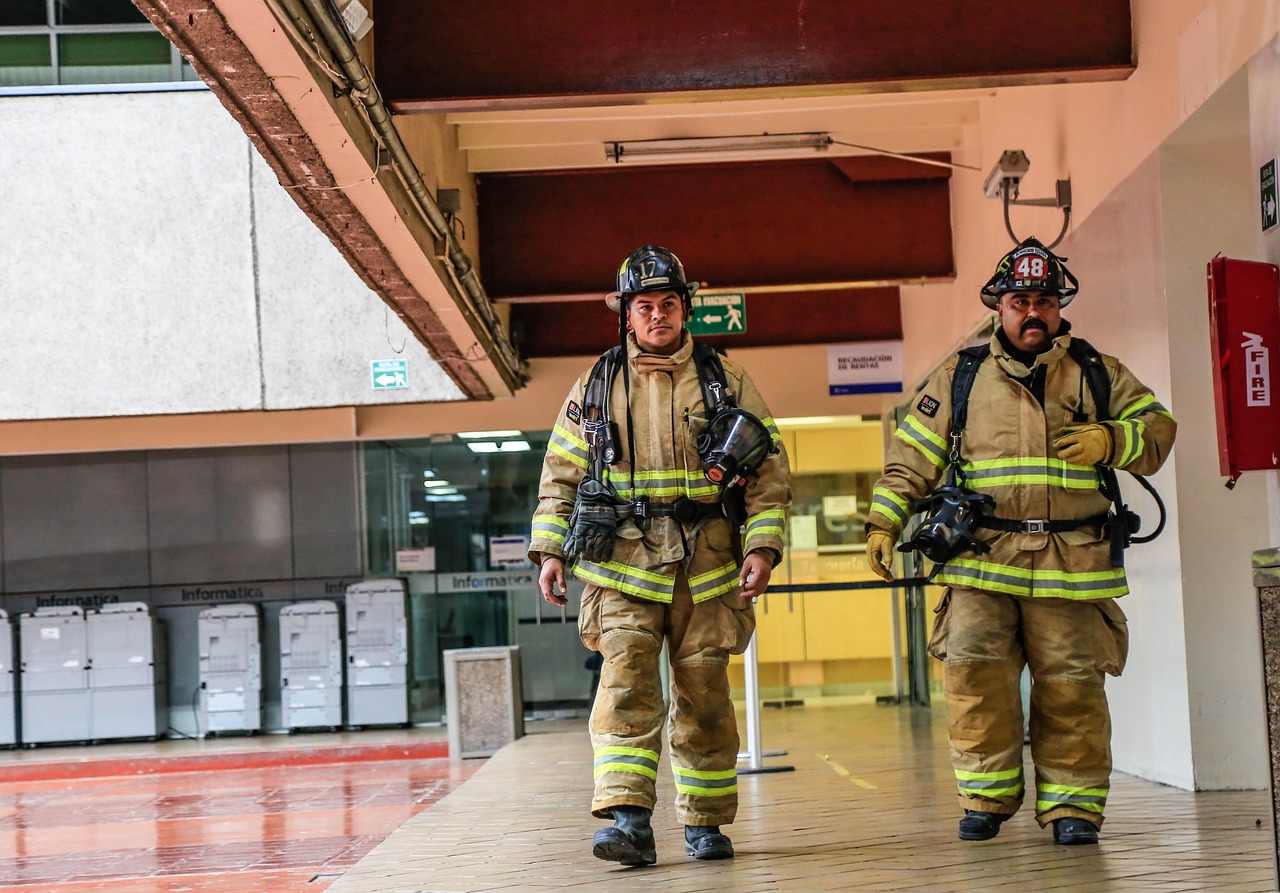
Emergency Preparedness and Response are critical components of Industrial Hygiene, aiming to protect workers and the community from potential hazards and emergencies in the workplace. This course will equip you with the necessary knowledge and skills to effectively plan for, respond to, and recover from emergencies, ensuring the safety and well-being of all individuals involved.
**Emergency Preparedness** is the process of planning, organizing, and training to effectively respond to emergencies. It involves identifying potential hazards, assessing risks, developing response plans, and conducting drills to ensure readiness.
**Emergency Response** refers to the actions taken during an emergency to mitigate the impact of the event, protect individuals, and minimize damage. It includes mobilizing resources, implementing response plans, and coordinating with relevant authorities.
**Hazard** is a source of potential harm or adverse health effects. Hazards can be physical, chemical, biological, or ergonomic in nature, and can pose risks to workers' health and safety.
**Risk** is the likelihood of an adverse event occurring and the potential consequences of that event. Risk assessment involves identifying hazards, evaluating risks, and implementing control measures to reduce risks to an acceptable level.
**Control Measures** are actions taken to eliminate or reduce hazards in the workplace. These may include engineering controls, administrative controls, and personal protective equipment (PPE) to protect workers from exposure to hazards.
**Incident Command System (ICS)** is a standardized management system used to coordinate emergency response activities. ICS establishes a clear chain of command, assigns roles and responsibilities, and facilitates communication and coordination among response agencies.
**Emergency Operations Center (EOC)** is a designated facility where emergency response coordination and decision-making take place. The EOC serves as a central command post during emergencies, bringing together key personnel and resources to manage the response effectively.
**Personal Protective Equipment (PPE)** is specialized clothing or equipment worn by workers to protect against hazards in the workplace. Examples of PPE include gloves, masks, goggles, and respirators, which help prevent exposure to harmful substances.
**Decontamination** is the process of removing or neutralizing hazardous substances from individuals, equipment, or the environment. Decontamination procedures are essential in preventing the spread of contaminants and protecting workers from exposure.
**Emergency Evacuation** is the process of safely relocating individuals from a hazardous area to a safe location. Evacuation plans should be developed, communicated, and practiced regularly to ensure a swift and orderly evacuation in case of an emergency.
**Shelter-in-Place** is a protective action where individuals remain indoors during an emergency to avoid exposure to hazards outside. Sheltering-in-place may be necessary in situations involving chemical spills, severe weather, or other external threats.
**Emergency Notification Systems** are communication tools used to alert individuals of emergencies and provide instructions on how to respond. These systems may include sirens, text alerts, phone calls, or email notifications to ensure timely and effective communication during emergencies.
**Crisis Communication** is the process of sharing information with stakeholders during an emergency. Effective communication is crucial for maintaining trust, providing updates, and issuing instructions to ensure the safety and well-being of all individuals involved.
**Business Continuity Planning** involves developing strategies to ensure essential functions and services can continue during and after an emergency. Business continuity plans outline procedures for resuming operations, managing disruptions, and recovering from emergencies.
**Workplace Violence** refers to any act of aggression, harassment, or physical harm in the workplace. Employers should implement policies, training, and security measures to prevent workplace violence and protect employees from harm.
**Psychological First Aid** is a supportive intervention aimed at helping individuals cope with the emotional impact of emergencies. Psychological first aid may involve providing emotional support, information, and referrals to mental health services for those affected by trauma.
**Vulnerability Assessment** is the process of identifying weaknesses and susceptibilities that could increase the impact of emergencies. Vulnerability assessments help organizations prioritize risks, allocate resources, and implement measures to enhance resilience.
**Mutual Aid Agreements** are formal agreements between organizations to provide assistance and resources during emergencies. Mutual aid agreements facilitate collaboration, resource sharing, and coordination among agencies to enhance emergency response capabilities.
**After-Action Review** is a critical evaluation conducted after an emergency to assess response actions, identify lessons learned, and recommend improvements for future emergencies. After-action reviews help organizations enhance their preparedness and response capabilities.
**Resource Management** involves coordinating and allocating resources effectively during emergencies. Resource management ensures that personnel, equipment, supplies, and facilities are utilized efficiently to support emergency response efforts.
**Community Resilience** is the ability of a community to prepare for, respond to, and recover from emergencies. Community resilience involves building partnerships, fostering communication, and empowering individuals to collectively address risks and challenges.
**Public Health Emergency** refers to a threat to public health that requires a coordinated response to protect the population from disease outbreaks, natural disasters, or other health hazards. Public health emergencies may involve quarantine measures, vaccination campaigns, or other interventions to control the spread of disease.
**Incident Action Plan (IAP)** is a strategic document outlining objectives, priorities, and actions to be taken during an emergency response. The IAP provides a roadmap for responders to coordinate activities, allocate resources, and achieve response goals effectively.
**Critical Infrastructure** refers to the systems and assets essential for the functioning of society and the economy. Critical infrastructure includes transportation networks, energy facilities, communication systems, and other components vital for daily operations and emergency response.
**Supply Chain Resilience** involves ensuring the continuity of essential supplies and services during emergencies. Supply chain resilience strategies include diversifying suppliers, stockpiling critical resources, and establishing alternative distribution routes to mitigate disruptions.
**Emergency Exercise** is a simulated scenario designed to test emergency response plans, procedures, and capabilities. Emergency exercises help identify strengths and weaknesses, improve coordination, and enhance preparedness for real-life emergencies.
**Tabletop Exercise** is a discussion-based exercise where participants walk through an emergency scenario and discuss response actions, roles, and responsibilities. Tabletop exercises are useful for testing decision-making processes, communication protocols, and coordination among stakeholders.
**Functional Exercise** is a hands-on exercise that simulates a real-life emergency response scenario. Participants are required to perform response actions, interact with resources, and make decisions under simulated conditions to assess the effectiveness of response plans.
**Full-Scale Exercise** is a comprehensive exercise that simulates a large-scale emergency event with realistic conditions and active participation from multiple agencies. Full-scale exercises test the entire emergency response system, identify gaps, and enhance coordination among responders.
**Emergency Management Cycle** is a continuous process of planning, preparing, responding, recovering, and mitigating risks associated with emergencies. The emergency management cycle helps organizations build resilience, manage resources effectively, and adapt to changing circumstances during emergencies.
**Hazmat** (Hazardous Materials) refers to substances that pose a risk to health, safety, or the environment. Hazmat incidents may involve chemical spills, releases, or accidents that require specialized response procedures and equipment to contain and mitigate the hazards.
**Crisis Management** is the process of managing emergencies, risks, and disruptions to minimize their impact on an organization. Crisis management involves planning, communication, decision-making, and coordination to effectively respond to crises and protect organizational interests.
**Emergency Response Team** is a group of individuals trained to respond to emergencies and assist in implementing response plans. Emergency response teams may include first aid responders, fire marshals, safety officers, and other personnel with specialized training in emergency response.
**Hazards Identification** is the process of identifying potential hazards in the workplace that could cause harm to workers or the environment. Hazards identification involves conducting risk assessments, inspections, and observations to recognize and evaluate risks effectively.
**Emergency Action Plan (EAP)** is a written document outlining procedures and protocols to be followed during emergencies. EAPs provide clear instructions on evacuation routes, emergency contacts, communication methods, and response actions to ensure a coordinated and effective response.
**Workplace Safety** refers to the conditions, practices, and policies in place to protect workers from harm and ensure a safe working environment. Workplace safety measures include hazard assessments, training, PPE, and emergency preparedness to prevent accidents and injuries.
**Medical Surveillance** is the ongoing monitoring of workers' health to detect and prevent occupational illnesses and injuries. Medical surveillance programs may include health screenings, vaccinations, and exposure monitoring to protect workers from work-related health risks.
**Emergency Response Plan (ERP)** is a comprehensive document outlining strategies, procedures, and responsibilities for responding to emergencies. ERPs detail actions to be taken during different types of emergencies, including natural disasters, fires, chemical spills, and other hazards.
**Radiation Emergency** is an event involving the release of radioactive materials that pose a risk to health and safety. Radiation emergencies may result from nuclear accidents, industrial incidents, or deliberate acts, requiring specialized response measures to protect individuals from exposure.
**Emergency Kits** are prepared packages containing essential supplies and equipment to sustain individuals during emergencies. Emergency kits may include food, water, first aid supplies, flashlights, batteries, and other items necessary for survival and comfort during disasters.
**Business Impact Analysis (BIA)** is the process of assessing the potential impact of disruptions on business operations. BIA identifies critical functions, dependencies, and recovery priorities to develop strategies for maintaining business continuity during emergencies.
**Emergency Response Training** is the process of providing individuals with the knowledge, skills, and resources to respond effectively to emergencies. Training programs may include drills, exercises, simulations, and hands-on practice to ensure readiness and competence in emergency response.
**Regulatory Compliance** involves adhering to laws, regulations, and standards related to emergency preparedness and response. Regulatory compliance ensures that organizations meet legal requirements, protect workers' health and safety, and prevent liabilities associated with emergencies.
**Emergency Declaration** is an official proclamation by authorities declaring a state of emergency due to a significant threat or disaster. Emergency declarations empower responders to take swift actions, allocate resources, and implement emergency measures to protect lives and property.
**Emergency Management Plan (EMP)** is a comprehensive document outlining strategies, policies, and procedures for managing emergencies. EMPS integrate preparedness, response, recovery, and mitigation efforts to enhance organizational resilience and protect against risks.
**Emergency Response Coordinator** is an individual responsible for overseeing and coordinating emergency response activities within an organization. Response coordinators liaise with internal teams, external agencies, and stakeholders to ensure a timely and effective response to emergencies.
**Crisis Response Team** is a specialized group of individuals trained to manage crises, communicate with stakeholders, and lead response efforts. Crisis response teams may include senior executives, communication specialists, legal advisors, and other personnel with expertise in crisis management.
**Emergency Notification Plan** is a structured framework for alerting individuals of emergencies and disseminating critical information. Notification plans outline communication methods, contact lists, escalation procedures, and protocols for issuing alerts and updates during emergencies.
**Emergency Response Drills** are practice exercises conducted to test emergency response plans, procedures, and capabilities. Drills simulate realistic scenarios, challenge responders to make decisions under pressure, and identify areas for improvement in preparedness and response.
**Emergency Response Equipment** refers to specialized tools, devices, and resources used to support emergency response activities. Equipment may include fire extinguishers, first aid kits, communication devices, personal protective gear, and other items essential for responding to emergencies.
**Emergency Response Protocols** are established procedures and guidelines for responding to specific types of emergencies. Protocols outline roles, responsibilities, communication channels, and actions to be taken to ensure a coordinated and effective response to emergencies.
**Emergency Response Resources** are assets, personnel, and facilities available to support emergency response efforts. Resources may include personnel trained in first aid, emergency equipment, medical supplies, transportation vehicles, communications systems, and other tools essential for responding to emergencies.
**Emergency Response Team Leader** is a designated individual responsible for leading and coordinating emergency response activities. Team leaders oversee response efforts, delegate tasks, communicate with team members, and ensure a timely and effective response to emergencies.
**Emergency Response Training Program** is a structured curriculum designed to educate individuals on emergency response procedures, protocols, and best practices. Training programs may cover topics such as hazard recognition, evacuation procedures, first aid, CPR, and incident management to prepare responders for emergencies.
**Emergency Response Vehicle** is a specialized vehicle equipped with emergency response equipment and supplies to support response activities. Response vehicles may include ambulances, fire trucks, hazmat units, and other vehicles designed to transport personnel, equipment, and resources to emergency scenes.
**Emergency Response Volunteer** is an individual who offers their time, skills, and expertise to assist in emergency response efforts. Volunteers may support response activities, provide first aid, distribute supplies, or offer other services to help communities recover from disasters and emergencies.
**Emergency Shelter** is a designated facility where individuals can seek refuge during emergencies. Emergency shelters provide temporary housing, food, water, medical care, and other essential services to individuals displaced by disasters or events requiring evacuation.
**Emergency Supply Kit** is a collection of essential items and supplies stored for use during emergencies. Supply kits may include food, water, clothing, medications, first aid supplies, flashlights, batteries, and other items necessary for survival, comfort, and self-sufficiency during disasters.
**Emergency Warning System** is a communication network used to alert individuals of imminent threats, hazards, or emergencies. Warning systems may include sirens, alarms, text alerts, phone calls, social media notifications, and other methods to inform and instruct the public during emergencies.
**Emergency Response Framework** is a structured approach to organizing and coordinating emergency response activities. Frameworks outline roles, responsibilities, communication protocols, decision-making processes, and resource management strategies to ensure a coordinated and effective response to emergencies.
**Emergency Response Incident** is an unexpected event or situation requiring immediate action to protect lives, property, or the environment. Response incidents may include fires, floods, chemical spills, medical emergencies, natural disasters, or other events that pose risks to safety and security.
**Emergency Response Kit** is a portable container or bag containing supplies, tools, and equipment for responding to emergencies. Response kits may include first aid supplies, personal protective gear, communication devices, tools, and other items needed to address hazards and risks during emergencies.
**Emergency Response Logistics** involves managing the movement, storage, and distribution of resources during emergencies. Logistics ensure that personnel, equipment, supplies, and facilities are available and accessible to support response activities and meet the needs of individuals affected by emergencies.
**Emergency Response Plan Template** is a pre-designed document outlining key components of an emergency response plan. Templates provide a framework for organizations to develop customized response plans, including hazard assessments, communication protocols, evacuation procedures, and resource management strategies.
**Emergency Response Procedure** is a set of instructions outlining steps to be taken during emergencies. Procedures detail actions, responsibilities, communication methods, and decision-making processes to ensure a coordinated, swift, and effective response to hazards, threats, or disasters.
**Emergency Response Resources** are assets, personnel, and facilities available to support emergency response efforts. Resources may include personnel trained in first aid, emergency equipment, medical supplies, transportation vehicles, communications systems, and other tools essential for responding to emergencies.
**Emergency Response Team Leader** is a designated individual responsible for leading and coordinating emergency response activities. Team leaders oversee response efforts, delegate tasks, communicate with team members, and ensure a timely and effective response to emergencies.
**Emergency Response Training Program** is a structured curriculum designed to educate individuals on emergency response procedures, protocols, and best practices. Training programs may cover topics such as hazard recognition, evacuation procedures, first aid, CPR, and incident management to prepare responders for emergencies.
**Emergency Response Vehicle** is a specialized vehicle equipped with emergency response equipment and supplies to support response activities. Response vehicles may include ambulances, fire trucks, hazmat units, and other vehicles designed to transport personnel, equipment, and resources to emergency scenes.
**Emergency Response Volunteer** is an individual who offers their time, skills, and expertise to assist in emergency response efforts. Volunteers may support response activities, provide first aid, distribute supplies, or offer other services to help communities recover from disasters and emergencies.
**Emergency Shelter** is a designated facility where individuals can seek refuge during emergencies. Emergency shelters provide temporary housing, food, water, medical care, and other essential services to individuals displaced by disasters or events requiring evacuation.
**Emergency Supply Kit** is a collection of essential items and supplies stored for use during emergencies. Supply kits may include food, water, clothing, medications, first aid supplies, flashlights, batteries, and other items necessary for survival, comfort, and self-sufficiency during disasters.
**Emergency Warning System** is a communication network used to alert individuals of imminent threats, hazards, or emergencies. Warning systems may include sirens, alarms, text alerts, phone calls, social media notifications, and other methods to inform and instruct the public during emergencies.
**Emergency Response Framework** is a structured approach to organizing and coordinating emergency response activities. Frameworks outline roles, responsibilities, communication protocols, decision-making processes, and resource management strategies to ensure a coordinated and effective response to emergencies.
**Emergency Response Incident** is an unexpected event or situation requiring immediate action to protect lives, property, or the environment. Response incidents may include fires, floods, chemical spills, medical emergencies, natural disasters, or other events that pose risks to safety and security.
**Emergency Response Kit** is a portable container or bag containing supplies, tools, and equipment for responding to emergencies. Response kits may include first aid supplies, personal protective gear, communication devices, tools, and other items needed to address hazards and risks during emergencies.
**Emergency Response Logistics** involves managing the movement, storage, and distribution of resources during emergencies. Logistics ensure that personnel, equipment, supplies, and facilities are available and accessible to support response activities and meet the needs of individuals affected by emergencies.
**Emergency Response Plan Template** is a pre-designed document outlining key components of an emergency response plan. Templates provide a framework for organizations to develop customized response plans, including hazard assessments, communication protocols, evacuation procedures, and resource management strategies.
**Emergency Response Procedure** is a set of instructions outlining steps to be taken during emergencies. Procedures detail actions, responsibilities, communication methods, and decision-making processes to ensure a coordinated, swift, and effective response to hazards, threats, or disasters.
**Emergency Response Resources** are assets, personnel, and facilities available to support emergency response efforts. Resources may include personnel trained in first aid, emergency equipment, medical supplies, transportation vehicles, communications systems, and other tools essential for responding to emergencies.
**Emergency Response Team Leader** is a designated individual responsible for leading and coordinating emergency response activities. Team leaders oversee response efforts, delegate tasks, communicate with team members, and ensure a timely and effective response to emergencies.
**Emergency Response Training Program** is a structured curriculum designed to educate individuals on emergency response procedures, protocols, and best practices. Training programs may cover topics such as hazard recognition, evacuation procedures, first aid, CPR, and incident management to prepare responders for emergencies.
**Emergency Response Vehicle** is a specialized vehicle equipped with emergency response equipment and supplies to support response activities. Response vehicles may include ambulances, fire trucks, hazmat units, and other vehicles designed to transport personnel, equipment, and resources to emergency scenes.
**Emergency Response Volunteer** is an individual who offers their time, skills, and expertise to assist in emergency response efforts. Volunteers may support response activities, provide first aid, distribute supplies, or offer other services to help communities recover from disasters and emergencies.
**Emergency Shelter** is a designated facility where individuals can seek refuge during emergencies.
Key takeaways
- This course will equip you with the necessary knowledge and skills to effectively plan for, respond to, and recover from emergencies, ensuring the safety and well-being of all individuals involved.
- It involves identifying potential hazards, assessing risks, developing response plans, and conducting drills to ensure readiness.
- **Emergency Response** refers to the actions taken during an emergency to mitigate the impact of the event, protect individuals, and minimize damage.
- Hazards can be physical, chemical, biological, or ergonomic in nature, and can pose risks to workers' health and safety.
- Risk assessment involves identifying hazards, evaluating risks, and implementing control measures to reduce risks to an acceptable level.
- These may include engineering controls, administrative controls, and personal protective equipment (PPE) to protect workers from exposure to hazards.
- ICS establishes a clear chain of command, assigns roles and responsibilities, and facilitates communication and coordination among response agencies.