
Bridge Design Fundamentals
Bridge Design Fundamentals
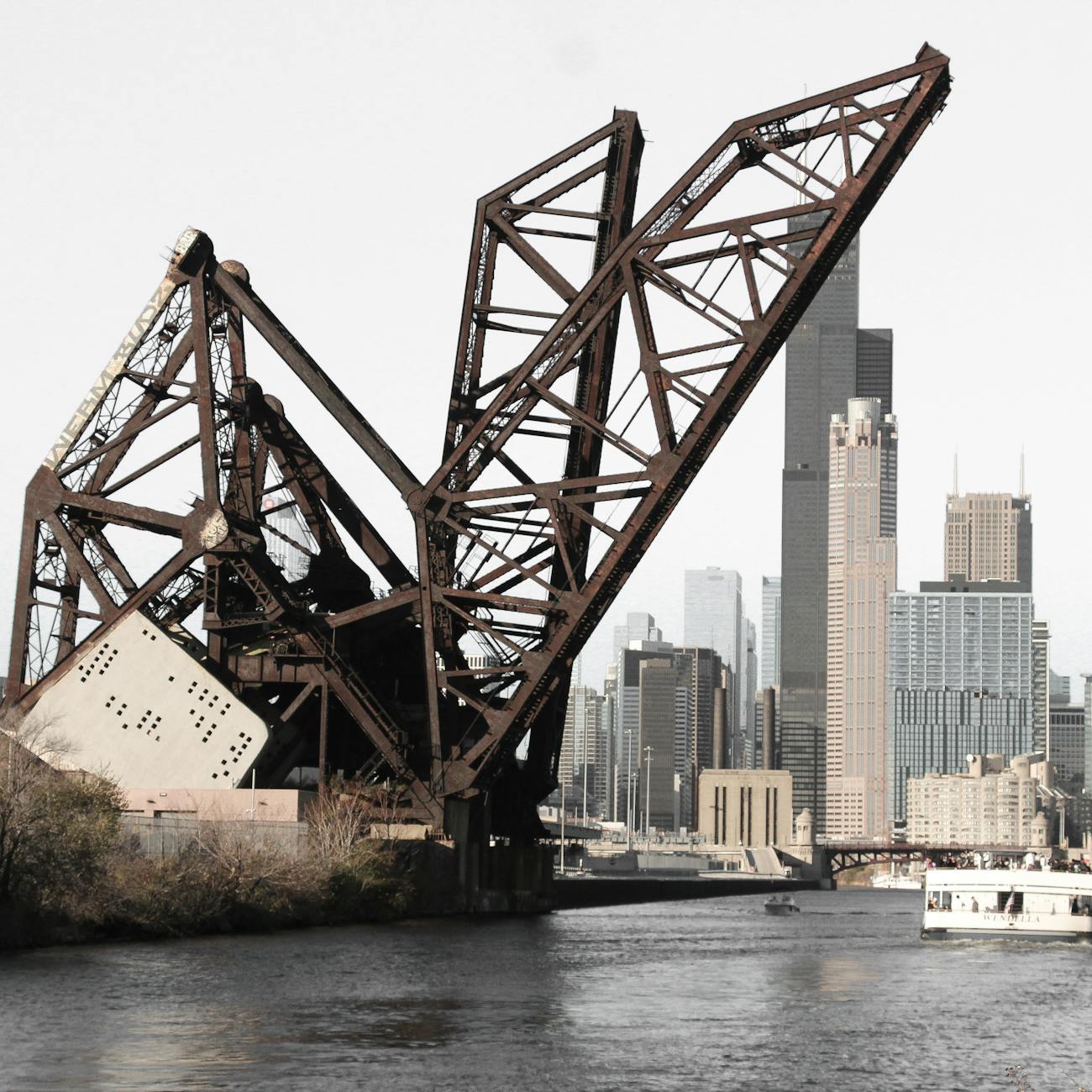
Bridge Design Fundamentals
Designing bridges is a complex and challenging task that requires a deep understanding of various engineering principles and concepts. In this course, we will explore the fundamentals of bridge design, including key terms and vocabulary that are essential for designing innovative and efficient bridge structures.
Bridge
A bridge is a structure built to span physical obstacles such as rivers, valleys, or roads for the purpose of providing passage over them. Bridges are essential infrastructure elements that facilitate transportation and connectivity between different regions.
Structural Engineering
Structural engineering is a branch of civil engineering that focuses on the design and analysis of structures to ensure they can withstand the forces and loads they will be subjected to during their lifespan. In bridge design, structural engineering principles are crucial for creating safe and durable structures.
Load
A load is a force that acts on a structure and causes it to deform or move. In bridge design, loads can be classified into different categories, such as dead load (the weight of the structure itself), live load (the weight of vehicles and pedestrians), and environmental loads (such as wind and seismic forces).
Span
The span of a bridge is the distance between the supports or abutments that hold up the bridge deck. The span length is a critical factor in determining the type of bridge structure that will be most suitable for a particular location.
Abutment
An abutment is a support structure at the ends of a bridge that resists the horizontal forces transmitted by the bridge deck. Abutments play a crucial role in anchoring the bridge and ensuring its stability.
Deck
The deck of a bridge is the surface that carries the traffic loads and provides a pathway for vehicles and pedestrians to cross over the obstacle. The deck can be made of various materials, such as concrete, steel, or timber, depending on the design requirements.
Arch Bridge
An arch bridge is a type of bridge that relies on arches to support the bridge deck and transfer loads to the abutments. Arch bridges are known for their aesthetic appeal and structural efficiency, making them suitable for spanning medium to long distances.
Truss Bridge
A truss bridge is a type of bridge composed of interconnected triangular units (trusses) that form a rigid structure. Truss bridges are lightweight and can span long distances, making them suitable for various applications, including railway and highway bridges.
Cable-Stayed Bridge
A cable-stayed bridge is a type of bridge where the deck is supported by cables that are attached to towers. Cable-stayed bridges are known for their elegant appearance and efficient use of materials, making them a popular choice for modern bridge designs.
Suspension Bridge
A suspension bridge is a type of bridge where the deck is suspended from cables that are anchored to tall towers or piers. Suspension bridges are well-suited for spanning long distances and are often used for iconic bridge structures.
Load Distribution
Load distribution is the process of transferring the loads acting on a structure to its supports in a way that minimizes stress and deformation. Proper load distribution is essential for ensuring the structural integrity and stability of a bridge.
Foundation
The foundation of a bridge is the substructure that supports the bridge superstructure and transfers the loads to the underlying soil or rock. Foundations are critical components of bridge design, as they provide stability and prevent settlement or movement of the structure.
Material Properties
Material properties refer to the characteristics of the materials used in bridge construction, such as strength, stiffness, durability, and corrosion resistance. Understanding the material properties is essential for selecting suitable materials for different bridge components.
Constructability
Constructability is the ease with which a bridge design can be constructed in practice. Considerations such as construction methods, equipment availability, and site constraints are crucial for ensuring the constructability of a bridge design.
Cost-Effectiveness
Cost-effectiveness is the balance between the cost of constructing a bridge and its long-term performance and maintenance costs. Designing bridges that are cost-effective involves optimizing material use, construction methods, and maintenance strategies.
Sustainability
Sustainability in bridge design involves minimizing the environmental impact of bridge construction and operation. Sustainable bridge designs focus on energy efficiency, use of recycled materials, and long-term durability to reduce the carbon footprint of infrastructure projects.
Innovative Design
Innovative bridge design involves pushing the boundaries of traditional design concepts to create structures that are efficient, aesthetically pleasing, and sustainable. Innovations in materials, construction techniques, and structural systems can lead to groundbreaking bridge designs.
Challenges
Designing bridges presents various challenges that engineers must overcome to create safe and durable structures. Some of the key challenges in bridge design include site constraints, environmental considerations, budget limitations, and regulatory requirements.
Case Studies
Studying real-world examples of bridge projects can provide valuable insights into the design process and challenges faced by engineers. Analyzing case studies of iconic bridges, such as the Golden Gate Bridge or the Millau Viaduct, can inspire innovative design solutions.
Design Software
Design software tools play a crucial role in the bridge design process, allowing engineers to model, analyze, and optimize bridge structures efficiently. Software programs such as AutoCAD, SAP2000, and Midas Civil are commonly used for bridge design tasks.
Professional Development
Continuous learning and professional development are essential for bridge engineers to stay up-to-date with the latest trends and technologies in the field. Participating in workshops, conferences, and online courses can help bridge engineers enhance their skills and expertise.
Conclusion
In conclusion, understanding the key terms and vocabulary related to bridge design fundamentals is essential for aspiring bridge engineers. By mastering these concepts, engineers can develop innovative and efficient bridge designs that meet the demands of modern infrastructure projects. Bridge design is a dynamic and challenging field that requires a multidisciplinary approach, incorporating structural engineering principles, material science, sustainability considerations, and innovative design concepts. By staying informed about the latest trends and technologies in bridge design, engineers can create safe, durable, and cost-effective bridge structures that contribute to the connectivity and development of communities.
Bridge Design Fundamentals
Bridge design is a complex and specialized field that requires a deep understanding of various engineering principles, materials, and construction techniques. In this course, we will explore the fundamental concepts and key terms essential for innovative bridge design.
Structural Analysis
Structural analysis is a critical aspect of bridge design. It involves studying how loads are transferred through a structure to ensure that it can safely support the intended load without experiencing failure. Engineers use various methods such as static analysis, dynamic analysis, and finite element analysis to assess the structural integrity of a bridge.
One of the key terms in structural analysis is load path. The load path is the route that a load takes as it passes through a structure. Understanding the load path is crucial for designing efficient and structurally sound bridges. Engineers must ensure that the load path is continuous and direct to prevent any weak points that could lead to failure.
Another important term is structural redundancy. Structural redundancy refers to the ability of a structure to redistribute loads in the event of a failure. Designing bridges with redundancy can enhance their safety and resilience, as it allows the structure to continue supporting loads even if one or more components fail.
Materials
The selection of materials plays a significant role in bridge design. Different materials have unique properties that affect the structural performance, durability, and cost of a bridge. Common materials used in bridge construction include concrete, steel, and composites.
Concrete is a versatile material commonly used in bridge construction due to its durability, versatility, and cost-effectiveness. It can be molded into various shapes and sizes, making it ideal for different bridge components such as beams, columns, and decks. Concrete bridges are known for their longevity and resistance to environmental factors.
Steel is another popular material for bridge construction, particularly for long-span bridges and structures that require high strength-to-weight ratios. Steel bridges are lightweight, flexible, and easy to construct, making them suitable for various bridge types such as truss, arch, and cable-stayed bridges.
Composites, such as fiber-reinforced polymers (FRP), are emerging as innovative materials for bridge construction. Composites offer high strength-to-weight ratios, corrosion resistance, and design flexibility, making them ideal for lightweight and durable bridges. They are often used in bridge decks, reinforcement, and structural elements to enhance performance and longevity.
Bridge Types
There are several types of bridges used in civil engineering, each with unique design principles and structural characteristics. Understanding the different bridge types is essential for selecting the most suitable design for a specific location, function, and budget.
One of the most common bridge types is the beam bridge. Beam bridges consist of horizontal beams supported by vertical piers or abutments. They are simple in design and cost-effective, making them ideal for short to medium spans. Beam bridges are commonly used for roadways, pedestrian walkways, and railroad crossings.
Another popular bridge type is the arch bridge. Arch bridges have a curved structure that transfers loads horizontally to abutments or foundations. They are known for their aesthetic appeal, structural efficiency, and ability to span long distances. Arch bridges are suitable for various settings, including rivers, valleys, and urban environments.
Suspension bridges are iconic structures characterized by their suspended cables that support the deck. They are ideal for long spans and can accommodate heavy loads efficiently. Suspension bridges require precise engineering to balance tension and compression forces, making them suitable for major river crossings and urban landmarks.
Cable-stayed bridges are a modern bridge type that features cables directly attached to the deck, providing support and stability. They offer a balance between aesthetics and functionality, making them popular for medium to long spans. Cable-stayed bridges are often used for highway crossings, pedestrian bridges, and landmark structures.
Design Considerations
When designing innovative bridges, engineers must consider various factors to ensure safety, functionality, and sustainability. These design considerations include environmental impact, aesthetics, cost efficiency, and maintenance requirements.
Environmental impact assessment is a crucial aspect of bridge design. Engineers must evaluate the potential effects of a bridge on the surrounding ecosystem, waterways, and wildlife. Sustainable design practices, such as using recycled materials, minimizing construction waste, and preserving natural habitats, can help reduce the environmental footprint of a bridge.
Aesthetics and visual impact play a significant role in bridge design, especially for urban settings and landmark structures. Engineers must balance structural performance with aesthetic considerations to create visually appealing and iconic bridges that enhance the built environment.
Cost efficiency is another key consideration in bridge design. Engineers must optimize the design to minimize construction costs, material usage, and long-term maintenance expenses. Value engineering techniques, such as analyzing alternative designs and materials, can help achieve cost-effective solutions without compromising safety or quality.
Maintenance requirements are essential for ensuring the longevity and safety of a bridge. Engineers must anticipate future maintenance needs, such as inspections, repairs, and upgrades, to extend the service life of the structure. Proper maintenance planning can prevent premature deterioration and costly repairs, saving time and resources in the long run.
Challenges and Innovations
Bridge design faces various challenges and opportunities for innovation in the evolving field of civil engineering. Engineers must address complex design constraints, technological advancements, and sustainability goals to deliver resilient and efficient bridge structures.
One of the challenges in bridge design is addressing aging infrastructure and deteriorating bridges. Many existing bridges require rehabilitation, retrofitting, or replacement to meet current safety standards and traffic demands. Engineers must develop innovative solutions to upgrade aging bridges while minimizing disruption and cost.
Technological advancements, such as Building Information Modeling (BIM) and advanced simulation software, are driving innovation in bridge design. BIM allows engineers to create detailed 3D models of bridges, analyze performance, and optimize construction processes. Simulation software enables virtual testing of structural components, materials, and environmental conditions to enhance design accuracy and efficiency.
Sustainability is a key focus in modern bridge design, with an emphasis on reducing carbon emissions, conserving resources, and enhancing resilience to climate change. Engineers are incorporating sustainable practices, such as using recycled materials, implementing green infrastructure, and designing resilient structures to minimize environmental impact and promote long-term viability.
Innovations in materials and construction techniques are reshaping the bridge design landscape. Advanced materials, such as carbon fiber composites and self-healing concrete, are enabling the development of lightweight, durable, and environmentally friendly bridges. Prefabrication methods, such as modular construction and off-site assembly, are increasing construction speed, quality, and safety.
Conclusion
Bridge design fundamentals encompass a diverse range of concepts, principles, and practices that are essential for creating innovative and resilient bridge structures. By understanding structural analysis, materials, bridge types, design considerations, challenges, and innovations, engineers can develop sustainable, cost-effective, and visually appealing bridges that meet the needs of modern society. Continuous learning, collaboration, and adaptation to emerging technologies and design trends are critical for advancing the field of bridge engineering and shaping the future of infrastructure development.
Bridge Design Fundamentals
Bridge design is a critical aspect of civil engineering that involves the planning, analysis, and construction of structures to support the passage of vehicles, pedestrians, or even trains over obstacles such as rivers, valleys, or roads. It requires a deep understanding of key concepts and principles to ensure the safety, efficiency, and durability of the structure.
Structural Loads
One of the fundamental aspects of bridge design is considering the various types of loads that a bridge will experience during its lifespan. These loads can be categorized into two main types: dead loads and live loads.
Dead loads refer to the weight of the bridge structure itself, including the deck, beams, columns, and any other permanent components. These loads are constant and do not change over time.
Live loads, on the other hand, are dynamic loads that change in magnitude and location. These loads include the weight of vehicles, pedestrians, and any other transient forces that act on the bridge.
It is essential to carefully analyze and design the bridge to withstand these loads while ensuring the safety and integrity of the structure.
Types of Bridges
There are several types of bridges that are commonly used in civil engineering, each with its unique design characteristics and applications. Some of the most common types include:
- Beam bridges: Simple and economical bridges that consist of horizontal beams supported by piers or abutments. - Truss bridges: Structures made up of interconnected triangles that provide strength and stability. - Arch bridges: Bridges with a curved shape that relies on the compressive strength of the arch to support the load. - Suspension bridges: Bridges that use cables suspended from towers to support the load, allowing for long spans. - Cable-stayed bridges: Bridges with cables attached directly to the deck, providing support and stability.
Each type of bridge has its advantages and limitations, depending on factors such as span length, site conditions, and budget constraints.
Materials in Bridge Construction
The choice of materials plays a crucial role in bridge design, as different materials offer varying levels of strength, durability, and cost-effectiveness. Some of the most common materials used in bridge construction include:
- Concrete: A versatile and durable material that is commonly used in bridge decks, piers, and abutments. - Steel: Known for its high strength-to-weight ratio, steel is often used in bridge beams, trusses, and cables. - Timber: A traditional material that is still used in some bridge applications, particularly in pedestrian bridges. - Composite materials: Combining two or more materials to take advantage of their unique properties, such as carbon fiber reinforced polymers.
The selection of materials is influenced by factors such as the bridge type, span length, loading conditions, and environmental considerations.
Bridge Design Process
The bridge design process involves several key steps, from initial planning and analysis to detailed design and construction. Some of the primary stages in the design process include:
- Site investigation: Gathering information about the site conditions, including soil properties, topography, and environmental factors. - Load analysis: Determining the expected loads on the bridge, including dead loads, live loads, wind loads, and seismic loads. - Structural analysis: Using mathematical models and computer simulations to analyze the behavior of the bridge under different loading conditions. - Design optimization: Iteratively refining the design to meet safety, cost, and performance requirements. - Construction planning: Developing detailed construction plans, schedules, and specifications to guide the construction process.
Throughout the design process, engineers must consider factors such as safety, aesthetics, sustainability, and maintenance requirements.
Bridge Design Codes and Standards
To ensure the safety and performance of bridges, designers must adhere to established codes and standards that govern the design, construction, and maintenance of bridges. Some of the most widely used codes include:
- AASHTO (American Association of State Highway and Transportation Officials): Provides guidelines for the design of highway bridges in the United States. - Eurocodes: A set of European standards that cover all aspects of structural design, including bridges. - BS 5400: British standard for the design and construction of steel, concrete, and composite bridges.
These codes specify requirements for materials, loading, design methodologies, and quality control to ensure the safety and reliability of bridge structures.
Challenges in Bridge Design
Bridge design presents several challenges that engineers must overcome to deliver safe and efficient structures. Some of the key challenges include:
- Long-span bridges: Designing bridges with long spans requires innovative structural solutions to support the weight and withstand dynamic loading conditions. - Seismic design: Building bridges in earthquake-prone regions requires specialized techniques to ensure the structure can withstand ground motion. - Durability: Bridges are exposed to harsh environmental conditions, such as corrosion, freeze-thaw cycles, and traffic loading, which can affect their long-term performance. - Sustainability: Designing bridges with minimal environmental impact, using recycled materials, and optimizing construction processes to reduce carbon footprint.
By addressing these challenges through advanced analysis, innovative design strategies, and sustainable practices, engineers can create bridges that meet the needs of modern infrastructure.
Conclusion
In conclusion, bridge design fundamentals are essential for civil engineers to create safe, efficient, and durable structures that facilitate the movement of people and goods. Understanding key concepts such as structural loads, materials, design processes, codes, and challenges is critical for successful bridge design. By applying sound engineering principles, innovative solutions, and sustainable practices, engineers can overcome the challenges of bridge design and deliver structures that enhance the built environment.
Bridge Design Fundamentals are essential concepts that bridge engineers must understand to create safe, efficient, and innovative bridge structures. These key terms and vocabulary form the foundation of bridge design principles and practices. Let's explore these terms in detail:
1. **Bridge**: A structure built to span physical obstacles such as rivers, roads, valleys, or railway tracks, allowing for the passage of people, vehicles, or goods.
2. **Bridge Design**: The process of creating a bridge structure that meets functional requirements, safety standards, and aesthetic considerations.
3. **Load**: The force applied to a structure, such as dead load (permanent weight of the structure), live load (weight of moving vehicles or people), and environmental loads (wind, seismic activity).
4. **Structural Analysis**: The study of the behavior of structures under various loads to ensure they can safely support the intended loads.
5. **Materials**: The substances used in bridge construction, such as concrete, steel, timber, or composite materials, chosen based on their strength, durability, and cost-effectiveness.
6. **Bridge Components**: The individual parts of a bridge, including deck (surface for vehicles or pedestrians), superstructure (supporting beams or arches), substructure (foundations or piers), and abutments (supports at bridge ends).
7. **Bridge Types**: Various classifications based on structure, function, or materials, such as beam bridges, truss bridges, arch bridges, suspension bridges, or cable-stayed bridges.
8. **Span**: The distance between two bridge supports, determining the length of the bridge and the type of structural elements needed.
9. **Deck**: The top surface of the bridge that supports vehicles or pedestrians, often made of concrete, steel, wood, or composite materials.
10. **Superstructure**: The part of the bridge that supports the deck, including beams, trusses, arches, or cables, distributing loads to the substructure.
11. **Substructure**: The foundation and supporting elements below the deck, transferring loads from the superstructure to the ground.
12. **Abutments**: The supports at the ends of a bridge, resisting horizontal forces and providing stability to the structure.
13. **Piers**: Vertical supports in the water or on land, holding up the superstructure and transferring loads to the foundations.
14. **Foundation**: The base of the bridge that distributes loads to the ground, typically made of concrete, steel, or wood piles, or caissons.
15. **Dead Load**: The permanent weight of the bridge structure itself, including materials, deck, superstructure, and substructure.
16. **Live Load**: The weight of moving vehicles, pedestrians, or other dynamic loads on the bridge, varying based on traffic conditions.
17. **Environmental Loads**: External forces acting on the bridge, such as wind, temperature changes, earthquakes, or floods, affecting the structural integrity.
18. **Design Criteria**: Specifications and standards that govern the design process, ensuring compliance with safety, durability, and performance requirements.
19. **Safety Factors**: Margins of safety applied to account for uncertainties in material properties, construction quality, and load assumptions.
20. **Aesthetics**: Considerations of beauty, harmony, and visual appeal in bridge design, enhancing the structure's integration into the surrounding environment.
21. **Economics**: Balancing cost considerations with structural performance, maintenance requirements, and lifespan to achieve a cost-effective bridge design.
22. **Sustainability**: Designing bridges with minimal environmental impact, using recycled materials, energy-efficient construction methods, and long-term durability.
23. **Innovative Designs**: Creative solutions to bridge challenges, incorporating new technologies, materials, or construction techniques to improve efficiency and performance.
24. **Seismic Design**: Designing bridges to withstand earthquakes, considering ground motions, soil conditions, and structural response to seismic forces.
25. **Wind Engineering**: Evaluating the effects of wind on bridges, optimizing aerodynamics, reducing wind-induced vibrations, and ensuring structural stability.
26. **Load Rating**: Assessing the capacity of existing bridges to carry specific loads, determining safe weight limits for vehicles and traffic.
27. **Bridge Inspection**: Periodic evaluations of bridges to assess structural condition, identify defects, and prioritize maintenance or rehabilitation efforts.
28. **Maintenance**: Routine activities to preserve bridge integrity, including cleaning, painting, repairing, and replacing damaged components to extend the structure's lifespan.
29. **Repair**: Restoring structural elements to their original condition or improving performance, addressing corrosion, cracks, spalling, or other defects.
30. **Rehabilitation**: Upgrading or strengthening existing bridges to meet current standards, improve safety, or extend service life, often involving structural modifications.
31. **Replacement**: Building a new bridge to replace an existing structure that is obsolete, deteriorated, or unable to meet current traffic demands.
32. **Challenges**: Complexities and obstacles faced in bridge design, such as site constraints, environmental impacts, budget limitations, or regulatory requirements.
33. **Innovations**: Breakthroughs in bridge engineering, construction, or materials that improve safety, efficiency, sustainability, or aesthetics in bridge design.
34. **Case Studies**: Real-world examples of successful bridge projects, highlighting design concepts, challenges, solutions, and lessons learned for future applications.
35. **Computer-Aided Design (CAD)**: Using software tools to create, analyze, and visualize bridge designs, improving accuracy, efficiency, and collaboration in the design process.
36. **Building Information Modeling (BIM)**: Creating digital representations of bridge structures, incorporating geometry, materials, and construction information for comprehensive project management.
37. **Finite Element Analysis (FEA)**: Numerical method for simulating structural behavior under various loads, optimizing designs, and predicting performance before construction.
38. **Structural Health Monitoring**: Using sensors and data analysis to monitor bridge conditions, detect defects, assess structural integrity, and prioritize maintenance actions.
39. **Lifecycle Cost Analysis**: Evaluating the total costs of a bridge project over its lifespan, including design, construction, maintenance, repairs, and eventual replacement.
40. **Multi-Criteria Decision Making**: Considering multiple factors, such as safety, cost, sustainability, and aesthetics, in selecting the best bridge design option among alternatives.
By mastering these Bridge Design Fundamentals, engineers can create innovative and sustainable bridge structures that meet the needs of society while ensuring safety, efficiency, and aesthetics in their designs.
Bridge Design Fundamentals:
Designing bridges is a complex process that requires a deep understanding of various key terms and concepts. This explanation will cover the fundamental vocabulary related to bridge design that is essential for anyone pursuing a career in this field.
Bridge: A bridge is a structure built to span physical obstacles such as rivers, valleys, or roads for the purpose of providing passage over those obstacles. Bridges are essential infrastructure elements that facilitate transportation and connectivity.
Structural Engineering: Structural engineering is a branch of civil engineering that focuses on the design and analysis of structures to ensure their safety, durability, and functionality. Structural engineers are responsible for designing bridges that can withstand various loads and environmental conditions.
Load: A load is a force applied to a structure that causes it to deform or move. In bridge design, loads can be classified into different categories, including dead loads (permanent loads such as the weight of the bridge itself) and live loads (temporary loads such as traffic or wind).
Span: The span of a bridge is the distance between the supports or piers that hold it up. The span of a bridge determines its length and influences its structural design.
Deck: The deck of a bridge is the surface that carries the traffic and other loads. The deck can be made of various materials such as concrete, steel, or wood, depending on the type of bridge and its intended use.
Abutment: An abutment is a support structure at the ends of a bridge that resists the horizontal forces and prevents the bridge from moving laterally. Abutments transfer the loads from the bridge deck to the ground.
Pier: A pier is a vertical support structure that holds up the deck of a bridge in the middle of a span. Piers are typically used for longer spans to provide additional support and stability.
Foundation: The foundation of a bridge is the substructure that supports the bridge and transfers its loads to the ground. Foundations can be shallow (such as spread footings) or deep (such as piles or caissons) depending on the soil conditions.
Superstructure: The superstructure of a bridge refers to the part of the bridge that is above the foundation, including the deck, girders, and other components that carry the loads. The superstructure is designed to be strong, durable, and resistant to various forces.
Truss: A truss is a structural framework made of interconnected elements (such as beams and bars) that form triangles or other geometric shapes. Trusses are commonly used in bridge design to provide strength and stability.
Arch Bridge: An arch bridge is a type of bridge that relies on the curved shape of the arch to support the loads and transfer them to the abutments or piers. Arch bridges are known for their aesthetic appeal and structural efficiency.
Beam Bridge: A beam bridge is a type of bridge that consists of horizontal beams supported by piers or abutments. Beam bridges are simple in design and are suitable for short to medium spans.
Suspension Bridge: A suspension bridge is a type of bridge that uses cables suspended from towers to support the deck. Suspension bridges are ideal for long spans and are known for their elegant appearance.
Cable-Stayed Bridge: A cable-stayed bridge is a type of bridge that uses cables attached directly to the deck to support it. Cable-stayed bridges are efficient for medium to long spans and offer a visually striking design.
Seismic Design: Seismic design is the process of designing structures to resist earthquakes and seismic forces. In bridge design, seismic design considerations are crucial to ensure the safety and integrity of the bridge during an earthquake.
Wind Load: Wind load is the force exerted by the wind on a structure, including bridges. Wind load considerations are essential in bridge design to ensure the stability and safety of the structure under windy conditions.
Dynamic Analysis: Dynamic analysis is the process of evaluating the response of a structure to dynamic loads such as traffic or wind. Dynamic analysis is important in bridge design to assess the structural behavior and performance under varying conditions.
Finite Element Analysis (FEA): Finite Element Analysis is a numerical method used to analyze the behavior of structures under various loads and conditions. FEA is commonly used in bridge design to simulate the structural response and optimize the design for performance and efficiency.
Load Rating: Load rating is the process of evaluating the capacity of a bridge to carry specific loads, including traffic, pedestrians, and other live loads. Load rating is important for assessing the safety and serviceability of existing bridges.
Deck Replacement: Deck replacement is the process of removing and replacing the deck of a bridge to extend its service life and improve its structural integrity. Deck replacement is a common maintenance practice for aging bridges.
Expansion Joint: An expansion joint is a flexible joint installed in bridges to accommodate the thermal expansion and contraction of the structure. Expansion joints help prevent cracking and damage to the bridge deck.
Corrosion Protection: Corrosion protection is the process of preventing or mitigating corrosion of steel and other metal components in bridges. Corrosion protection measures include coatings, cathodic protection, and regular maintenance.
Bridge Inspection: Bridge inspection is the process of evaluating the condition of a bridge to identify defects, deterioration, or structural issues. Regular bridge inspections are essential for ensuring the safety and longevity of bridges.
Load Distribution: Load distribution is the process of transferring the loads from the bridge deck to the supporting elements such as piers, abutments, and foundations. Proper load distribution is crucial for ensuring the structural integrity of the bridge.
Serviceability: Serviceability refers to the ability of a bridge to perform its intended function safely and efficiently. Serviceability considerations include factors such as traffic capacity, ride quality, and durability.
Geotechnical Engineering: Geotechnical engineering is a branch of civil engineering that focuses on the behavior of soil and rock materials. Geotechnical engineering is essential in bridge design for evaluating soil conditions, foundation design, and slope stability.
Hydraulics: Hydraulics is the study of the behavior of fluids (such as water) and their interaction with structures. Hydraulics is important in bridge design for evaluating water flow, scour potential, and hydraulic forces on bridge components.
Scour: Scour is the erosion of soil or sediment around bridge foundations caused by water flow. Scour can compromise the stability of bridge foundations and is a critical consideration in bridge design, especially for bridges over waterways.
Load Combination: Load combination is the process of combining different types of loads (such as dead loads, live loads, wind loads) to determine the maximum load effects on a structure. Load combinations are used in bridge design to ensure structural safety and stability.
Constructability: Constructability is the consideration of how easily and efficiently a bridge design can be constructed in the field. Constructability factors include construction methods, access, logistics, and material availability.
Life Cycle Cost Analysis: Life Cycle Cost Analysis is the process of evaluating the total cost of a bridge over its entire life cycle, including design, construction, maintenance, and operation. Life cycle cost analysis helps optimize bridge designs for long-term cost-effectiveness.
Environmental Impact: Environmental impact refers to the effects of a bridge project on the surrounding environment, including air quality, water quality, wildlife habitats, and ecosystems. Environmental impact assessments are required in bridge design to minimize negative environmental effects.
Innovative Materials: Innovative materials are new or advanced materials that offer improved performance, durability, and sustainability compared to traditional materials. Innovative materials such as high-performance concrete, fiber-reinforced polymers, and carbon fiber composites are increasingly used in bridge design.
Smart Bridge: A smart bridge is a bridge equipped with sensors, monitoring systems, and communication technologies to gather data on its performance, condition, and traffic. Smart bridges use real-time data to optimize maintenance, improve safety, and enhance operational efficiency.
Challenges in Bridge Design: Bridge design faces various challenges, including balancing aesthetics with functionality, optimizing structural performance, addressing environmental concerns, managing budget constraints, and ensuring long-term durability and safety.
Conclusion: Understanding the key terms and concepts in bridge design fundamentals is essential for aspiring bridge engineers and professionals in the field. By mastering these fundamental concepts, bridge designers can create innovative, efficient, and sustainable bridge designs that meet the demands of modern infrastructure development.
Key takeaways
- In this course, we will explore the fundamentals of bridge design, including key terms and vocabulary that are essential for designing innovative and efficient bridge structures.
- A bridge is a structure built to span physical obstacles such as rivers, valleys, or roads for the purpose of providing passage over them.
- Structural engineering is a branch of civil engineering that focuses on the design and analysis of structures to ensure they can withstand the forces and loads they will be subjected to during their lifespan.
- In bridge design, loads can be classified into different categories, such as dead load (the weight of the structure itself), live load (the weight of vehicles and pedestrians), and environmental loads (such as wind and seismic forces).
- The span length is a critical factor in determining the type of bridge structure that will be most suitable for a particular location.
- An abutment is a support structure at the ends of a bridge that resists the horizontal forces transmitted by the bridge deck.
- The deck of a bridge is the surface that carries the traffic loads and provides a pathway for vehicles and pedestrians to cross over the obstacle.