
Introduction to Fashion Copywriting
Brand identity is the visual and emotional representation of a fashion label. It includes the logo, colour palette, typography, and the overall aesthetic that distinguishes the label from competitors. A strong brand identity enables consume…
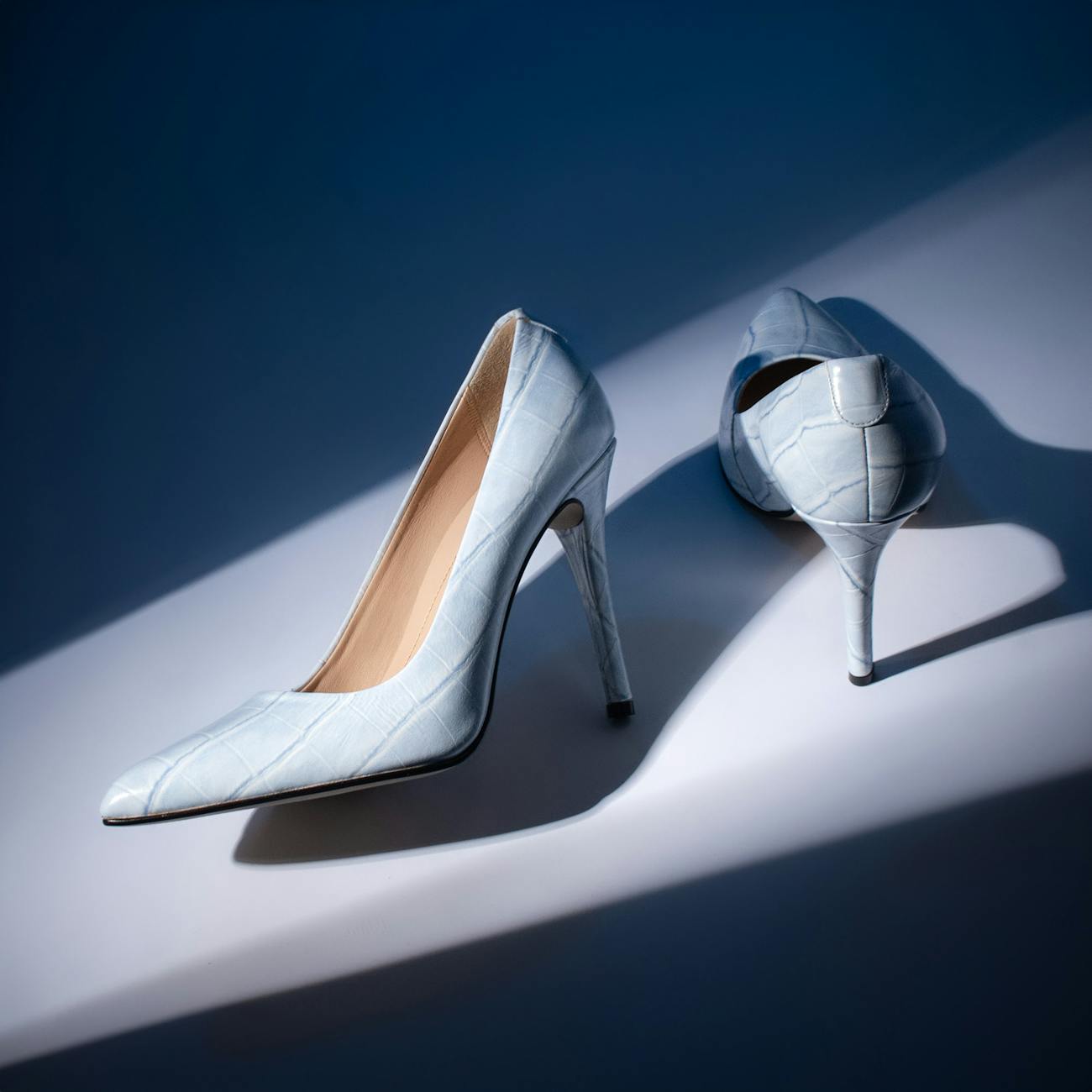
Brand identity is the visual and emotional representation of a fashion label. It includes the logo, colour palette, typography, and the overall aesthetic that distinguishes the label from competitors. A strong brand identity enables consumers to instantly recognise a product on a crowded shelf or in a social‑media feed. For example, the iconic monogram pattern of a luxury house instantly signals heritage and exclusivity, while a minimalist sans‑serif logotype may convey modernity and approachability.
Brand voice is the distinct personality expressed through written communication. It is the tone that pervades every piece of copy, from product descriptions to press releases. A brand that adopts a playful voice might use witty wordplay and informal language, whereas a brand that seeks to convey authority will employ precise terminology and a formal style. Consistency in brand voice builds trust and reinforces the brand’s positioning in the consumer’s mind.
Target audience defines the specific group of consumers a fashion brand aims to reach. Demographic factors such as age, gender, income, and geographic location intersect with psychographic elements like lifestyle, values, and aspirations. Understanding the target audience informs the choice of vocabulary, the level of detail in product descriptions, and the emotional triggers that will resonate. For a high‑end streetwear label, the target audience may be urban millennials who value authenticity, while a luxury couture house may focus on affluent women who appreciate craftsmanship and heritage.
Customer persona is a fictional representation of an ideal customer, built from market research and real data. Personas help copywriters visualise who they are speaking to, making it easier to tailor language, tone, and messaging. A persona named “Sophie, 28, creative director, eco‑conscious” would guide a copywriter to highlight sustainable materials, ethical production, and design innovation in the copy.
USP (unique selling proposition) is the distinctive benefit that sets a product apart from its competitors. In fashion, the USP may be a patented fabric technology, a heritage craft technique, or an exclusive collaboration. When writing copy, the USP should be highlighted early, often within the headline, to capture attention and create a compelling reason for purchase.
Headline is the first line of copy that draws the reader in. It must be concise, impactful, and aligned with the brand voice. Effective headlines often incorporate a hook, a benefit, or an intriguing question. For a new line of breathable denim, a headline such as “Feel the Freedom of Air‑Knit Denim” instantly conveys the product’s core advantage.
Subheadline provides supporting information that expands on the headline. It offers additional context, reinforces the benefit, or introduces a secondary feature. Continuing the denim example, a subheadline might read, “Engineered with micro‑ventilation fibers for all‑day comfort.”
Product description is the body copy that details the item’s features, materials, fit, and care instructions. It balances technical accuracy with emotive storytelling. High‑end fashion copy may focus on the artisanal craftsmanship, heritage of the mill, and the tactile experience, while fast‑fashion copy emphasizes trend relevance and price point. A well‑crafted product description typically follows the “benefit‑feature” structure: Start with the benefit to the consumer, then explain the feature that enables that benefit.
Call to action (CTA) is a directive that prompts the reader to take a specific next step, such as “Shop Now,” “Explore the Collection,” or “Join the Waitlist.” CTAs should be clear, urgent, and aligned with the brand’s tone. A luxury brand might use an elevated CTA like “Indulge in Elegance,” whereas a streetwear brand could choose “Grab Yours Today.”
SEO (search engine optimisation) is the practice of optimizing copy to improve visibility in search engine results. In fashion copywriting, SEO involves researching relevant keywords, integrating them naturally, and structuring content to satisfy both search algorithms and human readers. Over‑optimisation, such as keyword stuffing, can degrade readability and harm rankings. Instead, focus on primary keywords like “sustainable silk dress” and secondary terms such as “eco‑friendly evening wear” in a fluid, conversational style.
Keyword is a word or phrase that users type into search engines when looking for a product or information. Effective keyword research reveals the language consumers use, informing both SEO strategy and the tone of copy. For a niche label specializing in “hand‑dyed silk scarves,” the keyword “hand‑dyed silk scarf” should appear in the headline, product description, and meta tags.
Meta description is a brief summary that appears in search engine results beneath the page title. Though not a direct ranking factor, a compelling meta description improves click‑through rates. It should include the primary keyword, convey the core benefit, and incorporate a CTA. Example: “Discover our hand‑crafted silk scarves—luxury you can feel. Shop the new collection today.”
Storytelling is the art of weaving a narrative that engages the reader emotionally. In fashion copy, storytelling can revolve around the inspiration behind a collection, the journey of the fabric, or the lifestyle the brand represents. A narrative about a designer’s travels in the Italian countryside can elevate a linen jacket from a mere garment to an embodiment of wanderlust.
Narrative arc follows the classic structure of introduction, conflict, climax, and resolution. When applied to a fashion campaign, the introduction may set the scene (e.G., “On the bustling streets of Tokyo…”), the conflict could be the challenge of staying stylish in unpredictable weather, the climax showcases the product’s solution (the weather‑proof trench), and the resolution invites the reader to experience the transformation.
Hook is the element that captures immediate interest. In fashion copy, hooks can be a striking statistic (“80% of our fabrics are recycled”), a provocative question (“Ready to redefine your wardrobe?”), Or an evocative image (“Silk that glides like water”). The hook often appears in the headline or opening sentence.
Tone is the emotional attitude conveyed through word choice, sentence structure, and pacing. Tone varies by brand and context: A heritage luxury label may adopt a refined tone, while an avant‑garde label may be edgy and experimental. Maintaining a consistent tone across all copy reinforces brand identity.
Copy length varies by platform. Long‑form copy works well for lookbooks, brand stories, and press releases, allowing depth and immersion. Short‑form copy is essential for social media captions, product cards, and email subject lines, where brevity and immediacy are paramount. Understanding platform constraints guides the writer in selecting appropriate word counts.
Tagline is a concise phrase that encapsulates the brand’s essence or campaign’s core message. It is often used in advertising, packaging, and digital assets. A strong tagline is memorable, aligns with the brand voice, and conveys a promise. Example: “Wear the Future” for a tech‑infused fashion line.
Slogan is similar to a tagline but may be campaign‑specific, emphasizing a seasonal theme or promotional offer. While a tagline is timeless, a slogan can change with each collection, providing flexibility to highlight new product attributes.
Press release is a formal announcement distributed to media outlets. In fashion, press releases introduce new collections, collaborations, or brand milestones. They follow a structured format: Headline, subheadline, dateline, lead paragraph, body paragraphs, boilerplate, and contact information. The language should be news‑worthy, factual, and infused with brand voice.
Boilerplate is a standard paragraph that provides background on the brand. It appears at the end of press releases and other corporate communications. The boilerplate should be concise, highlighting the brand’s heritage, mission, and key achievements.
Influencer marketing leverages personalities with large followings to promote fashion products. Copywriters must craft briefs that align influencer content with brand voice, while allowing creative freedom. Influencer captions often blend personal storytelling with product mentions, requiring a seamless hand‑off between brand copy and influencer style.
Digital marketing encompasses all online promotional activities, including social media, email, search advertising, and affiliate programs. Effective fashion copywriting adapts to each channel’s unique constraints and opportunities, ensuring the message remains coherent across touchpoints.
Social media caption is a brief piece of text accompanying an image or video. Captions should be engaging, on‑brand, and include relevant hashtags. For a luxury handbag, a caption may read, “Crafted from the finest Italian leather—your new statement piece. #TimelessElegance.” Incorporating a subtle CTA (“Shop the look”) can drive traffic without feeling overly promotional.
Hashtag is a keyword preceded by the # symbol, used to categorise content on platforms like Instagram and Twitter. Strategic hashtag use increases discoverability. Brands should blend branded hashtags (e.g., #YourBrandName) with popular industry tags (e.g., #SustainableFashion) and trend‑specific tags (e.g., #Fall2026).
Email subject line is the first text a recipient sees in their inbox. It must be concise, compelling, and often includes an incentive (“20% Off New Arrivals”). A/B testing subject lines helps identify the most effective phrasing.
Open rate measures the percentage of recipients who open an email. Copywriters influence open rates through subject line optimisation, personalization, and timing.
Click‑through rate (CTR) tracks the proportion of readers who click a link within an email or ad. Strong copy, clear CTAs, and relevant offers boost CTR.
Conversion rate is the percentage of visitors who complete a desired action, such as making a purchase. Copy that emphasizes benefits, reduces friction, and includes persuasive CTAs improves conversion.
Visual hierarchy refers to the arrangement of visual elements to guide the viewer’s eye. In fashion copy, the hierarchy determines which text appears first (headline), which supports it (subheadline), and where the CTA resides. Consistent hierarchy enhances readability and drives action.
Typography is the style and arrangement of text. Serif fonts may convey tradition, while sans‑serif fonts suggest modernity. Typography must align with brand identity and be legible across devices.
Layout determines how copy and images are positioned on a page or screen. A balanced layout ensures that the copy complements, rather than competes with, the visual assets. In lookbooks, generous white space often highlights the garments, while in e‑commerce product pages, concise copy sits alongside high‑resolution images.
Silhouette describes the overall shape or outline of a garment. Understanding silhouette terminology (e.G., A‑line, trench, bomber) enables copywriters to accurately describe the design while appealing to fashion‑savvy readers.
Fabric is the material from which a garment is constructed. Copy should convey both technical specifications (e.G., 100% Organic cotton, 12‑oz. Wool) and sensory qualities (e.G., Buttery soft, crisp drape). Using precise fabric terminology signals expertise and builds credibility.
Texture refers to the surface quality of a material—smooth, ribbed, nubby, or glossy. Descriptive language that evokes texture helps readers imagine the tactile experience. For instance, “a plush, brushed fleece that feels like a cloud against the skin” creates a vivid mental image.
Colour palette is the range of colours used within a collection. Copywriters should reference colour accurately, using industry terms (e.G., “Emerald green,” “cobalt blue,” “soft blush”) and, when appropriate, tie colour to emotional connotations (e.G., “Calm, serene blues”).
Trend is a prevailing direction in fashion, driven by cultural, social, and economic forces. Copy that references current trends shows relevance and positions the brand as forward‑thinking. However, the copy must also differentiate the brand’s interpretation of the trend from generic market noise.
Runway describes the live presentation of a collection during fashion weeks. Runway copy often captures the mood, set design, and key looks. An example: “The Fall 2026 runway unfolded as a midnight garden, with models draped in luminous silk that caught the stage lights like dew.”
Streetwear is a style rooted in urban culture, characterised by casual silhouettes, graphic tees, and sneaker culture. When writing for streetwear brands, copy should reflect the community’s language, authenticity, and often, a rebellious edge.
Couture denotes high‑end, custom‑made fashion, usually showcased in exclusive runway shows. Couture copy highlights craftsmanship, bespoke tailoring, and the rarity of the pieces. Phrases such as “hand‑stitched by master artisans” elevate the perceived value.
Fast fashion describes the rapid production of trendy, affordable clothing. Copy for fast‑fashion lines focuses on immediacy, affordability, and trend relevance. However, it should also address sustainability concerns, as consumer awareness grows.
Sustainable fashion refers to practices that minimise environmental impact, such as using recycled fibres, low‑impact dyes, and ethical labour. Copywriters must be transparent, providing concrete data (e.G., “Made from 85% post‑consumer polyester”) while avoiding vague claims that could be perceived as greenwashing.
Ethical fashion emphasises fair labour standards, safe working conditions, and supply‑chain transparency. When highlighting ethical credentials, copy should reference certifications (e.G., Fair Trade, GOTS) and share stories of the artisans involved.
Capsule collection is a limited set of interchangeable pieces that create a cohesive wardrobe. Copy can stress versatility (“mix and match to create endless looks”) and exclusivity (“only 200 pieces available”).
Lookbook is a visual catalogue that showcases a collection through styled photographs. Accompanying copy in a lookbook should be evocative, focusing on mood and lifestyle rather than technical details. Example: “Wander through sun‑kissed dunes in our flowing linen dresses, where every step whispers of summer freedom.”
Mood board is a collage of images, colours, textures, and typography that conveys the inspiration behind a collection. While not typically consumer‑facing, copywriters may reference mood board elements in internal briefs to maintain a consistent narrative across all content.
Editorial content includes articles, interviews, and features that go beyond product promotion, positioning the brand within broader cultural conversations. Editorial copy should adopt a journalistic tone, incorporating quotes from designers, industry experts, or cultural icons.
Copy is the written text used to convey a brand’s message. In fashion, copy must balance factual accuracy with emotive storytelling, ensuring that each word contributes to the overall brand experience.
Tag (in a digital sense) is a piece of metadata used to categorise content on a website or blog. Tags improve internal navigation and SEO. For a fashion blog, tags might include “summer trends,” “sustainable fabrics,” or “designer interviews.”
Meta tag includes meta titles and meta descriptions that appear in search engine results. Crafting compelling meta tags boosts click‑through rates and aligns with SEO objectives.
Alt text is the descriptive text attached to images for accessibility and SEO. Alt text should be concise yet descriptive, for example: “Model wearing a midnight‑blue silk gown with a plunging neckline.”
Keyword density measures the frequency of a keyword relative to total word count. In fashion copy, aim for a natural inclusion—typically 1‑2%—to avoid penalisation by search engines and maintain readability.
Long‑tail keyword combines multiple words to target a specific search intent (e.G., “Organic cotton summer dress”). Long‑tail keywords often have lower competition and higher conversion potential, making them valuable for niche fashion products.
Buyer journey outlines the stages a consumer passes through—from awareness, consideration, to purchase. Copy should be tailored to each stage: Inspirational storytelling for awareness, detailed product benefits for consideration, and persuasive CTAs for purchase.
Awareness stage content introduces the brand or product, focusing on brand story, values, and lifestyle alignment. It often uses broader keywords and emotional triggers.
Consideration stage content provides in‑depth information, such as fabric benefits, sizing guides, and styling tips. Here, copy should address common questions and objections, reinforcing trust.
Decision stage content includes strong CTAs, limited‑time offers, and social proof (e.G., Customer reviews). The language should be decisive and urgent, encouraging the final purchase action.
Social proof is evidence that other people have purchased and enjoyed the product. In fashion, social proof can take the form of customer photos, influencer endorsements, or press mentions. Incorporating phrases like “Loved by over 10,000 fashion lovers” adds credibility.
Customer review provides firsthand feedback from purchasers. Copywriters can highlight key excerpts that reinforce product benefits, while ensuring authenticity and compliance with advertising regulations.
User‑generated content (UGC) is content created by consumers, such as photos, videos, or testimonials. Brands can repurpose UGC in marketing materials, adding authenticity and fostering community.
Story arc in a brand narrative may follow the evolution of the label—from humble beginnings to global recognition. This arc can be used across multiple touchpoints, reinforcing a cohesive brand story.
Brand manifesto is a declaration of the brand’s purpose, values, and aspirations. It serves as an internal guide for tone, messaging, and strategic decisions. A manifesto might read, “We believe fashion should empower, not exploit, and we commit to transparency in every stitch.”
Tone of voice guide is a document that outlines how the brand speaks, including preferred vocabulary, sentence length, and emotional cues. It ensures consistency across all writers, agencies, and internal teams.
Copy deck is a compiled set of all written assets for a campaign, including headlines, body copy, CTAs, and social captions. A copy deck streamlines review processes and ensures all pieces align with the brand voice.
Proofreading is the final step of reviewing copy for grammatical errors, typos, and factual accuracy. In fashion, precision matters; a misspelled fabric name or incorrect size measurement can damage credibility.
Compliance refers to adherence to advertising regulations, such as the FTC guidelines for endorsements, or regional labeling requirements for textiles. Copywriters must verify that all claims (e.G., “Organic,” “hand‑crafted”) are substantiated.
Trademark is a legally protected brand name, logo, or slogan. Copy must avoid infringing on existing trademarks and should correctly use the brand’s registered symbols (e.G., “™” Or “®”) where appropriate.
Copyright protects original written content. When repurposing copy for different channels, ensure that permission is granted for any third‑party content (e.G., Photographer credits).
Localization adapts copy for specific markets, taking into account language nuances, cultural references, and regional fashion preferences. For example, a US‑focused campaign may reference “Black Friday,” while a UK version would replace it with “Boxing Day.”
Translation is the process of converting copy into another language. It requires more than literal word substitution; cultural context and idiomatic expressions must be preserved to maintain brand voice.
Brand alignment ensures that all copy, visual assets, and messaging are cohesive. Misalignment—such as a playful tone paired with a serious visual—can confuse consumers and dilute brand equity.
Creative brief is a foundational document that outlines the objectives, target audience, key messages, tone, and deliverables for a copywriting project. A well‑crafted brief reduces revisions and accelerates the production timeline.
Key message is the central idea that the copy must communicate. For a sustainable denim line, the key message could be “Style that respects the planet.” All supporting copy should reinforce this core idea.
Value proposition articulates why a consumer should choose a brand over competitors. It combines functional benefits (e.G., “Water‑repellent finish”) with emotional benefits (e.G., “Confidence in every step”).
Emotional trigger is a psychological cue that prompts a response, such as desire, fear of missing out, or nostalgia. Effective fashion copy often leverages triggers like “exclusivity” (“Limited to 100 pieces”) or “aspiration” (“Join the elite circle of couture collectors”).
Scarcity principle creates urgency by highlighting limited availability. Copy that states “Only 5 left in stock” leverages this principle to encourage immediate purchase.
Authority principle builds trust by showcasing expertise or endorsements. Mentioning “Designed by award‑winning designer Jane Doe” lends authority to the product description.
Reciprocity principle offers something of value to the reader, such as a free style guide or a discount code, prompting a sense of obligation to respond.
Social resonance measures how well a piece of copy connects with a target audience’s cultural values and trends. Testing copy with focus groups can reveal whether the language feels authentic or forced.
Testing includes A/B testing of headlines, subject lines, CTAs, and product descriptions. By measuring metrics such as open rates, CTR, and conversion, copywriters can refine language for optimal performance.
Analytics provides data on how copy performs across channels. Key metrics include page views, bounce rate, time on page, and revenue per visitor. Interpreting analytics helps identify which messages resonate most.
Heatmap visualises where users click or hover on a page. Heatmaps can reveal whether the CTA is receiving sufficient attention or if the headline needs repositioning.
Persona mapping aligns copy with the specific needs, motivations, and pain points of each persona. For a persona focused on sustainability, copy should foreground eco‑friendly attributes.
Style guide standardises visual and textual elements, covering colour codes, typography, imagery, and writing conventions. Consistency in style enhances brand recognition.
Brand equity is the value derived from consumer perception of the brand. Strong copy contributes to brand equity by reinforcing desirable attributes and experiences.
Omnichannel refers to delivering a seamless experience across multiple touchpoints—online store, social media, physical boutiques, and email. Copy must be adapted for each channel while preserving core messaging.
Microcopy is the small bits of text that guide user interaction, such as button labels (“Add to Bag”), form instructions, or error messages. Effective microcopy reduces friction and improves the user experience.
Button copy should be action‑oriented and concise. Instead of “Click Here,” use “Shop the Look” or “Reserve Your Spot.” The verb should match the desired outcome.
Form field label clarifies the information required (e.G., “Email Address”). Clear labels reduce abandonment rates.
Error message informs users of a problem and offers a solution. In fashion e‑commerce, an error message like “Sorry, that size is out of stock. Try a different size or sign up for restock alerts” maintains a positive tone.
Restock alert is a subscription that notifies customers when a sold‑out item becomes available again. Copy promoting restock alerts should emphasise exclusivity (“Be the first to know”).
Size guide assists shoppers in selecting the correct fit. Copy should explain measurement methods, provide conversion charts, and use inclusive language (“All bodies are welcome”).
Fit description conveys how a garment drapes on the body (e.G., “Relaxed fit,” “tailored silhouette”). Clear fit descriptions reduce returns and improve customer satisfaction.
Return policy outlines the conditions under which a purchase can be returned. Transparent, friendly language (“Free returns within 30 days”) builds confidence.
Shipping information details delivery times, costs, and tracking options. Copy that highlights fast shipping (“Delivered in 2‑3 business days”) can be a competitive advantage.
FAQ (frequently asked questions) addresses common concerns. Well‑crafted FAQ copy reduces support inquiries and enhances the shopping experience.
Brand storytelling framework often follows three pillars: Heritage, innovation, and community. Heritage connects the brand to its past, innovation showcases forward‑thinking design, and community highlights consumer involvement.
Heritage copy might reference the founding year, original atelier, or iconic past collections. Example: “Since 1924, our ateliers have hand‑stitched each piece with unwavering dedication.”
Innovation copy focuses on new technologies, materials, or design processes. Example: “Our new line integrates bio‑engineered fibers that adapt to body temperature.”
Community copy celebrates the brand’s customers, collaborators, and cultural partners. Example: “Join the community of creators who shape the future of fashion with us.”
Fashion lexicon includes specialized terms that convey expertise. Understanding and correctly using terms such as “bias cut,” “piqué,” “cabriole heel,” or “twill weave” enriches copy and signals authority.
Bias cut refers to fabric cut at a 45‑degree angle to the grain, allowing it to drape fluidly. Describing a dress as “crafted with a bias cut for effortless movement” highlights sophisticated construction.
Piqué is a textured weave often used in polo shirts. Mentioning “soft piqué cotton” informs the reader of both feel and quality.
Cabriole heel describes a heel shape that arches from the back of the foot to the front, creating a graceful silhouette. Copy that notes “cabriole heel for an elegant lift” appeals to shoe enthusiasts.
Twill weave is a diagonal rib pattern common in denim. Highlighting “premium twill denim” signals durability and style.
Seasonal capsule is a limited collection released for a specific season. Copy should convey timeliness (“Spring capsule drops July 15”) and urgency.
Seasonal trend report summarises emerging styles, colours, and consumer behaviours for a given season. Copywriters can reference trend reports to justify design choices (“Inspired by the 2026 trend of saturated coral”).
Fashion forecasting predicts future trends based on cultural analysis, runway shows, and consumer data. Incorporating forecasts into copy (“Our collection anticipates the rise of neon accents”) positions the brand as a trendsetter.
Look‑and‑feel describes the sensory experience of a product, combining visual and tactile attributes. Example: “The look‑and‑feel of our silk scarf is both luminous and buttery soft.”
Design language is the visual vocabulary a brand uses—shapes, lines, patterns, and motifs. Consistent design language across collections reinforces brand identity.
Motif is a recurring decorative element. A brand may use a signature motif, such as a leaf pattern, across accessories, reinforcing recognisability.
Signature piece is a flagship item that epitomises the brand’s aesthetic. Copy around a signature piece should emphasise its iconic status (“The iconic trench that defines our heritage”).
Limited edition signals scarcity and exclusivity. Copy should stress the unique nature (“Only 250 pieces produced”) and encourage immediate action.
Collaboration involves partnering with another brand, designer, or artist. Collaboration copy should highlight the synergy (“When avant‑garde meets classic tailoring”) and the unique value created.
Press kit includes high‑resolution images, lookbook PDFs, brand background, and press release. The copy within a press kit must be polished, factual, and ready for media use.
Media outreach is the process of pitching stories to journalists, editors, and bloggers. Effective outreach copy includes a compelling subject line, a concise pitch, and relevant assets.
Story angle is the perspective that makes a news story newsworthy. For a fashion brand, angles could include sustainability, cultural relevance, or technological innovation.
Editorial calendar schedules content production and publication. Aligning copy deadlines with fashion weeks, holidays, and product launches ensures timely delivery.
Content pillar is a core theme that supports multiple pieces of content. Example pillars: “Sustainable Materials,” “Seasonal Styling Tips,” and “Behind‑the‑Scenes Craftsmanship.”
Evergreen copy remains relevant over time, such as brand story or care instructions. Evergreen pieces require minimal updates, providing long‑term value.
Seasonal copy is time‑sensitive, tied to specific releases, holidays, or trends. Seasonal copy must be refreshed regularly to stay current.
Brand ambassador is a person who publicly represents the brand, often through social media. Ambassadors should use copy that aligns with the brand voice while adding personal flair.
Influencer brief outlines campaign goals, key messages, hashtags, and deliverable expectations for influencers. Clear brief language reduces misinterpretation and ensures brand consistency.
Affiliate copy is written for partners who earn commissions on sales. Affiliate copy should be concise, include a compelling CTA, and comply with disclosure regulations.
Disclosure statement informs readers about the commercial nature of a partnership. Example: “This post is sponsored by [Brand]” satisfies legal requirements and maintains transparency.
Copywriting workflow typically follows these stages: Research, brief development, drafting, editing, compliance check, SEO optimisation, stakeholder review, and final approval. Understanding each stage helps writers manage time and expectations.
Research includes market analysis, competitor review, product testing, and trend scouting. Accurate research informs factual copy and uncovers unique angles.
Drafting is the initial creation of copy. At this stage, focus on flow and ideas rather than perfection; later revisions will refine language and tighten messaging.
Editing involves tightening sentences, removing jargon, and ensuring tone alignment. Peer review can surface blind spots and improve overall quality.
Compliance check verifies that all claims are substantiated, trademarks are correctly used, and any required disclosures are present.
SEO optimisation adds primary and secondary keywords, meta tags, and alt text, while preserving natural readability.
Stakeholder review gathers feedback from design, marketing, legal, and product teams. Consolidating feedback efficiently prevents endless revisions.
Final approval grants permission to publish. A clear sign‑off process ensures accountability and timeline adherence.
Challenges in fashion copywriting include balancing creativity with technical accuracy, staying ahead of rapidly changing trends, and navigating the fine line between aspirational language and realistic expectations. Copywriters must also manage the tension between brand storytelling and SEO requirements, ensuring that keyword integration does not dilute the narrative.
Creative fatigue can arise when writers repeatedly produce similar content for multiple collections. Overcoming this involves seeking fresh inspiration from art, architecture, and cultural movements outside the fashion sphere.
Language localisation poses challenges when translating nuanced fashion terminology. Certain terms may lack direct equivalents, requiring creative adaptation while preserving brand voice.
Regulatory compliance demands vigilance, especially when making sustainability claims. Copywriters must verify certifications and avoid ambiguous phrasing that could trigger legal scrutiny.
Data‑driven optimisation requires a willingness to test and iterate. Copy that performs well in one market may falter in another, necessitating localized adjustments based on performance metrics.
Maintaining brand consistency across a global network of agencies, freelancers, and internal teams can be difficult. Robust style guides, clear briefs, and regular training sessions help enforce uniformity.
Integrating multimedia such as video and interactive lookbooks adds complexity to copy planning. Writers must coordinate with designers and developers to ensure that textual and visual elements complement each other.
Balancing brevity and depth is crucial for different platforms. Social media demands punchy, eye‑catching copy, whereas a brand’s “About Us” page can afford richer storytelling.
Consumer scepticism towards marketing claims is growing, especially regarding sustainability. Authenticity, transparent data, and third‑party verification are essential to build credibility.
Rapid product turnover in fast‑fashion cycles limits the time available for thorough copy development. Streamlined workflows and pre‑approved copy templates can accelerate production without sacrificing quality.
Cross‑department collaboration often involves reconciling differing priorities—design may focus on visual impact, while marketing seeks conversion. Effective communication and shared goals mitigate conflict.
Measuring ROI for copywriting can be indirect; while clicks and conversions are quantifiable, brand perception and long‑term loyalty are harder to track. Combining quantitative analytics with qualitative brand surveys provides a fuller picture.
Emerging technologies such as augmented reality (AR) and virtual try‑on tools introduce new copy opportunities. Descriptions must guide users through interactive experiences (“Swipe to see the dress in motion”) while maintaining brand tone.
Inclusive language is essential to resonate with diverse audiences. Copy should avoid gendered assumptions, respect cultural differences, and celebrate a range of body types. Phrases like “Designed for every body” convey inclusivity.
Accessibility considerations extend beyond alt text. Copy should use clear, concise language, avoid overly complex sentences, and provide translations for screen‑reader users.
Brand voice evolution occurs as a label matures or pivots. Copywriters must stay attuned to subtle shifts—perhaps moving from a youthful, rebellious voice to a more refined, sophisticated tone as the brand ages.
Trend fatigue can erode consumer interest if overused. Copy that continually references the same trend may appear stale. Refreshing the narrative with new angles or combining trends can reinvigorate interest.
Personalisation offers a pathway to deeper engagement. Dynamic copy that inserts a shopper’s name or references past purchases (“Because you loved our silk blouses, you’ll adore this new chiffon wrap”) increases relevance but requires robust data handling.
Privacy compliance (e.G., GDPR) impacts how personal data is used for personalization. Copy must be transparent about data usage and provide opt‑out options.
Ethical storytelling involves representing cultures and communities respectfully. When drawing inspiration from a particular heritage, copywriters should acknowledge sources and avoid appropriation.
Brand heritage vs. Modern relevance is a constant balancing act. A heritage brand must honour its legacy while appearing contemporary. Copy that blends historical references with present‑day relevance achieves this harmony.
Visual‑copy synergy ensures that text and imagery reinforce each other. For instance, a headline about “effortless elegance” should be paired with a photograph that visually communicates ease and grace.
Testing microcopy on call‑to‑action buttons can reveal subtle preferences. A change from “Buy Now” to “Add to Wardrobe” may increase click‑through by aligning with the brand’s aspirational tone.
Iteration cycles should be built into project timelines. Allowing time for data‑driven refinements ensures that copy evolves based on real‑world performance.
Cross‑cultural nuance is vital when launching global campaigns. A phrase that works in one language may carry unintended connotations elsewhere. Engaging native speakers for review mitigates misinterpretation.
Future‑proofing copy involves anticipating shifts in consumer behaviour, technology, and regulations. Writing with flexibility—avoiding overly specific dates or fleeting slang—extends the longevity of the content.
Continuous learning is essential for fashion copywriters.
Key takeaways
- For example, the iconic monogram pattern of a luxury house instantly signals heritage and exclusivity, while a minimalist sans‑serif logotype may convey modernity and approachability.
- A brand that adopts a playful voice might use witty wordplay and informal language, whereas a brand that seeks to convey authority will employ precise terminology and a formal style.
- For a high‑end streetwear label, the target audience may be urban millennials who value authenticity, while a luxury couture house may focus on affluent women who appreciate craftsmanship and heritage.
- A persona named “Sophie, 28, creative director, eco‑conscious” would guide a copywriter to highlight sustainable materials, ethical production, and design innovation in the copy.
- When writing copy, the USP should be highlighted early, often within the headline, to capture attention and create a compelling reason for purchase.
- For a new line of breathable denim, a headline such as “Feel the Freedom of Air‑Knit Denim” instantly conveys the product’s core advantage.
- Continuing the denim example, a subheadline might read, “Engineered with micro‑ventilation fibers for all‑day comfort.