
Core and Pelvic Floor Function in the Postpartum Period
The postpartum period is a critical time for women to focus on their physical and emotional recovery after childbirth. A key aspect of this recovery is the restoration of core and pelvic floor function. The core refers to the muscles that m…
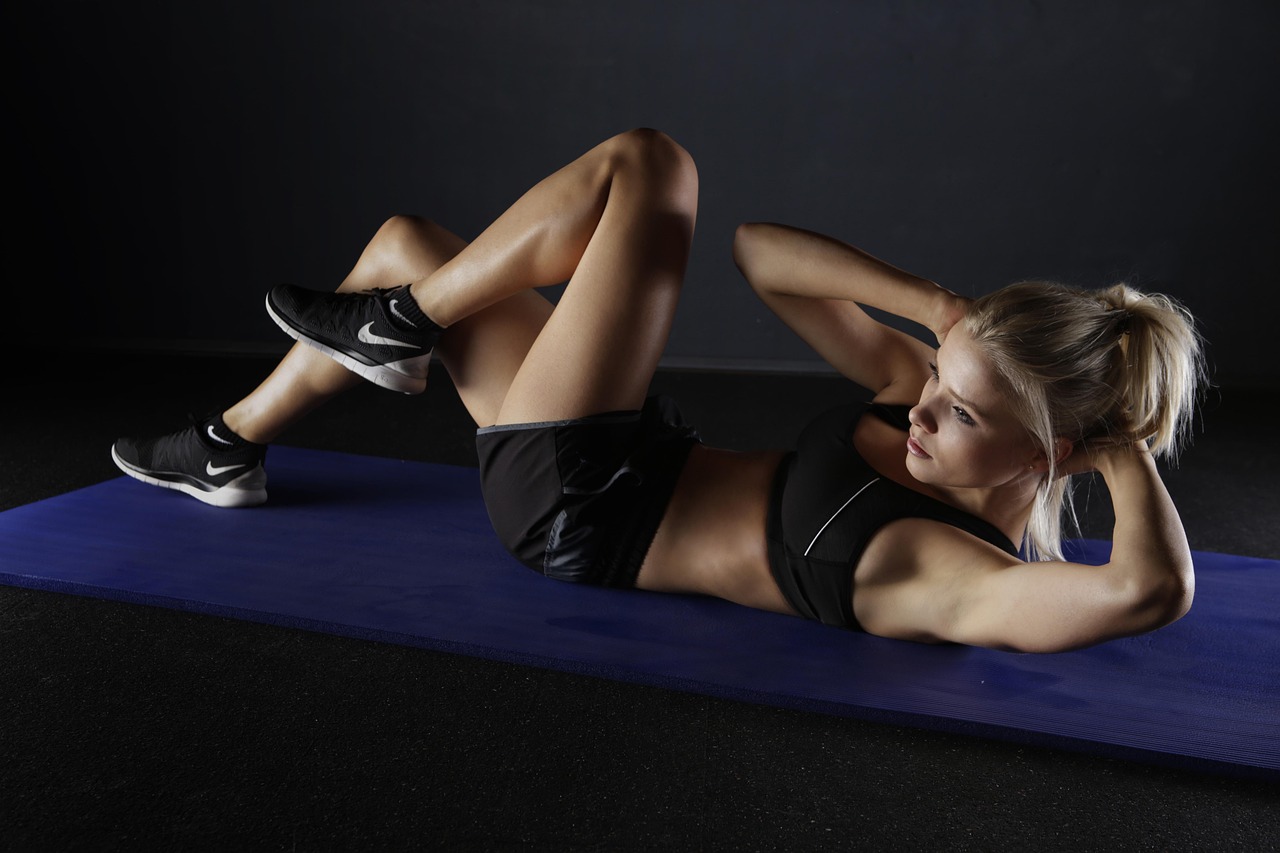
The postpartum period is a critical time for women to focus on their physical and emotional recovery after childbirth. A key aspect of this recovery is the restoration of core and pelvic floor function. The core refers to the muscles that make up the trunk of the body, including the abdominals, back muscles, and pelvic floor. These muscles work together to provide stability, support, and movement for the body. In the postpartum period, the core and pelvic floor muscles may be weakened or damaged, leading to issues such as incontinence, prolapse, and lower back pain.
One of the primary concerns for women in the postpartum period is the recovery of their pelvic floor muscles. The pelvic floor muscles, also known as the pubococcygeus muscles, are a group of muscles that support the bladder, uterus, and bowel. During pregnancy and childbirth, these muscles can become stretched and weakened, leading to issues such as stress incontinence and prolapse. Stress incontinence is the involuntary leakage of urine during activities such as coughing, sneezing, or laughing, and is a common issue for women in the postpartum period. Prolapse occurs when the pelvic organs, such as the bladder or uterus, bulge into the vagina, causing discomfort and pain.
To address these issues, women in the postpartum period can benefit from exercises that target the core and pelvic floor muscles. One of the most effective exercises for strengthening the pelvic floor muscles is the Kegel exercise. The Kegel exercise involves contracting and releasing the pelvic floor muscles, which can help to strengthen and tone the muscles. Women can perform Kegel exercises by squeezing their pelvic muscles as if they are trying to stop the flow of urine, holding for a few seconds, and then releasing. This exercise can be performed anywhere, at any time, and is a great way for women to take control of their pelvic floor health.
In addition to Kegel exercises, women in the postpartum period can also benefit from exercises that target the transverse abdominis muscle. The transverse abdominis muscle is the deepest abdominal muscle, and plays a critical role in supporting the spine and pelvis. During pregnancy, the transverse abdominis muscle can become stretched and weakened, leading to issues such as lower back pain and pelvic instability. Exercises such as planks, bridges, and pelvic tilts can help to strengthen the transverse abdominis muscle, improving core stability and reducing the risk of injury.
Another key concept in postpartum core and pelvic floor function is the idea of diastasis recti. Diastasis recti is a condition in which the abdominal muscles separate, causing a bulge or gap in the abdominal wall. This condition is common in women who have had multiple pregnancies, or who have experienced a significant amount of weight gain during pregnancy. Diastasis recti can cause issues such as lower back pain, pelvic instability, and urinary incontinence, and can also affect a woman's overall core strength and stability. Exercises such as planks, crunches, and leg raises can help to strengthen the abdominal muscles and improve diastasis recti.
In the postpartum period, women may also experience issues with pelvic girdle pain. Pelvic girdle pain is a type of pain that occurs in the pelvic region, and can be caused by a variety of factors, including pregnancy, childbirth, and hormonal changes. This type of pain can be debilitating, and can affect a woman's ability to perform daily activities, such as walking, lifting, and caring for her baby. Exercises such as pelvic tilts, bridges, and squats can help to strengthen the muscles that support the pelvis, reducing the risk of pelvic girdle pain.
Women in the postpartum period may also benefit from working with a healthcare provider or fitness professional who specializes in postpartum core and pelvic floor function. These professionals can provide women with personalized exercise programs, tailored to their individual needs and goals. They can also provide education and support, helping women to understand their bodies and make informed decisions about their health and wellness. For example, a healthcare provider may recommend that a woman with diastasis recti avoid certain exercises, such as crunches or leg raises, and instead focus on exercises that strengthen the transverse abdominis muscle.
In addition to exercise, women in the postpartum period may also benefit from lifestyle modifications that support core and pelvic floor function. For example, women can benefit from maintaining a healthy weight, eating a balanced diet, and staying hydrated. They can also benefit from avoiding heavy lifting, bending, and straining, which can put pressure on the pelvic floor muscles and exacerbate issues such as incontinence and prolapse. Women can also benefit from managing stress, which can contribute to issues such as pelvic girdle pain and anxiety.
The postpartum period is also a critical time for women to focus on their breathing and relaxation techniques. Deep breathing and relaxation techniques, such as meditation and yoga, can help women to reduce stress and anxiety, and promote overall well-being. These techniques can also help women to connect with their bodies, and become more aware of their physical and emotional needs. For example, a woman can practice deep breathing exercises while performing Kegel exercises, which can help to strengthen the pelvic floor muscles and promote relaxation.
Women in the postpartum period may also experience issues with body image and self-esteem. The postpartum period can be a time of significant physical and emotional change, and women may struggle to come to terms with their new bodies. Exercises such as yoga and Pilates can help women to connect with their bodies, and promote a positive body image. These exercises can also help women to build confidence and self-esteem, which can be critical for overall health and well-being. For example, a woman can practice yoga poses that strengthen the core and pelvic floor muscles, while also promoting relaxation and reducing stress.
In terms of practical applications, women in the postpartum period can benefit from incorporating exercises that target the core and pelvic floor muscles into their daily routine. For example, women can perform Kegel exercises while brushing their teeth, or during commercial breaks while watching television. Women can also benefit from using props such as exercise balls, resistance bands, and pelvic floor exercise devices to support their exercise routine. These props can help women to engage their core and pelvic floor muscles, and promote overall strength and stability.
The postpartum period can also be a challenging time for women to motivate themselves to exercise and prioritize their health and wellness. Women may feel tired, overwhelmed, and uncertain about how to care for their bodies after childbirth. To overcome these challenges, women can benefit from setting realistic goals and expectations, and seeking support from healthcare providers, fitness professionals, and loved ones. Women can also benefit from tracking their progress, and celebrating their successes, which can help to build motivation and confidence.
In terms of common challenges, women in the postpartum period may experience issues such as urinary incontinence, prolapse, and pelvic girdle pain. These issues can be debilitating, and can affect a woman's quality of life and overall well-being. To address these challenges, women can benefit from seeking medical attention, and working with a healthcare provider to develop a treatment plan. Women can also benefit from incorporating exercises that target the core and pelvic floor muscles into their daily routine, and making lifestyle modifications that support overall health and wellness.
The postpartum period is also a critical time for women to focus on their mental health and emotional well-being. The postpartum period can be a time of significant emotional change, and women may experience issues such as anxiety, depression, and trauma. Exercises such as yoga and meditation can help women to reduce stress and anxiety, and promote overall mental health and well-being. Women can also benefit from seeking support from loved ones, and working with a mental health professional to develop a treatment plan.
In terms of long-term benefits, women who prioritize their core and pelvic floor function in the postpartum period can experience a range of benefits, including improved overall health and wellness, increased energy and vitality, and enhanced physical function and mobility. Women can also experience improved body image and self-esteem, and reduced risk of chronic diseases such as osteoporosis and heart disease. By prioritizing their core and pelvic floor function, women can take control of their health and wellness, and promote overall well-being for years to come.
Women in the postpartum period can also benefit from community support and connection. The postpartum period can be a time of isolation and disconnection, and women may struggle to find community and support. Exercises such as group fitness classes, and online support groups can help women to connect with others, and build a sense of community and belonging. Women can also benefit from working with a health coach or fitness professional who can provide personalized support and guidance.
In terms of barriers to exercise, women in the postpartum period may experience a range of challenges, including lack of time, energy, and motivation. Women may also experience physical limitations, such as pelvic girdle pain or urinary incontinence, which can make it difficult to exercise. To overcome these barriers, women can benefit from seeking support from healthcare providers, fitness professionals, and loved ones. Women can also benefit from incorporating exercises that can be done at home, or with a baby, such as yoga or walking.
The postpartum period is also a critical time for women to focus on their nutrition and overall health. A healthy diet that includes plenty of fruits, vegetables, whole grains, and lean protein can help to support core and pelvic floor function, and promote overall health and wellness. Women can also benefit from staying hydrated, and avoiding foods that can exacerbate issues such as incontinence and prolapse. For example, women can benefit from avoiding caffeine and spicy foods, which can irritate the bladder and worsen incontinence.
In terms of future directions, research on postpartum core and pelvic floor function is ongoing, and there is a growing recognition of the importance of prioritizing women's health and wellness in the postpartum period. Women can benefit from staying up-to-date on the latest research and recommendations, and working with healthcare providers and fitness professionals to develop personalized exercise and treatment plans. Women can also benefit from advocating for themselves, and seeking support from loved ones and community resources.
Women in the postpartum period can also benefit from self-care and self-compassion. The postpartum period can be a time of significant physical and emotional change, and women may struggle to prioritize their own needs and well-being. Exercises such as yoga and meditation can help women to cultivate self-care and self-compassion, and promote overall mental health and well-being.
In terms of real-world applications, women in the postpartum period can benefit from incorporating exercises that target the core and pelvic floor muscles into their daily routine. Women can also benefit from using props such as exercise balls, resistance bands, and pelvic floor exercise devices to support their exercise routine.
The postpartum period is also a critical time for women to focus on their physical function and mobility. Exercises such as yoga and Pilates can help women to improve their flexibility, balance, and overall physical function. Women can also benefit from incorporating exercises that target the core and pelvic floor muscles into their daily routine, such as squats, lunges, and leg raises. These exercises can help women to build strength and confidence, and promote overall physical function and mobility.
In terms of interdisciplinary approaches, women in the postpartum period can benefit from working with a range of healthcare providers, including obstetricians, physical therapists, and mental health professionals. These providers can offer women a range of services, including medical care, physical therapy, and counseling. Women can also benefit from working with fitness professionals, such as personal trainers and group fitness instructors, who can provide personalized exercise programs and support.
The postpartum period is a complex and multifaceted time, and women may experience a range of physical, emotional, and social changes. Whether through exercise, lifestyle modifications, or seeking support from healthcare providers and loved ones, women can empower themselves to thrive in the postpartum period, and beyond.
Key takeaways
- In the postpartum period, the core and pelvic floor muscles may be weakened or damaged, leading to issues such as incontinence, prolapse, and lower back pain.
- Stress incontinence is the involuntary leakage of urine during activities such as coughing, sneezing, or laughing, and is a common issue for women in the postpartum period.
- Women can perform Kegel exercises by squeezing their pelvic muscles as if they are trying to stop the flow of urine, holding for a few seconds, and then releasing.
- Exercises such as planks, bridges, and pelvic tilts can help to strengthen the transverse abdominis muscle, improving core stability and reducing the risk of injury.
- Diastasis recti can cause issues such as lower back pain, pelvic instability, and urinary incontinence, and can also affect a woman's overall core strength and stability.
- Pelvic girdle pain is a type of pain that occurs in the pelvic region, and can be caused by a variety of factors, including pregnancy, childbirth, and hormonal changes.
- For example, a healthcare provider may recommend that a woman with diastasis recti avoid certain exercises, such as crunches or leg raises, and instead focus on exercises that strengthen the transverse abdominis muscle.