
Introduction to Drumming Therapy
Introduction to Drumming Therapy
Introduction to Drumming Therapy
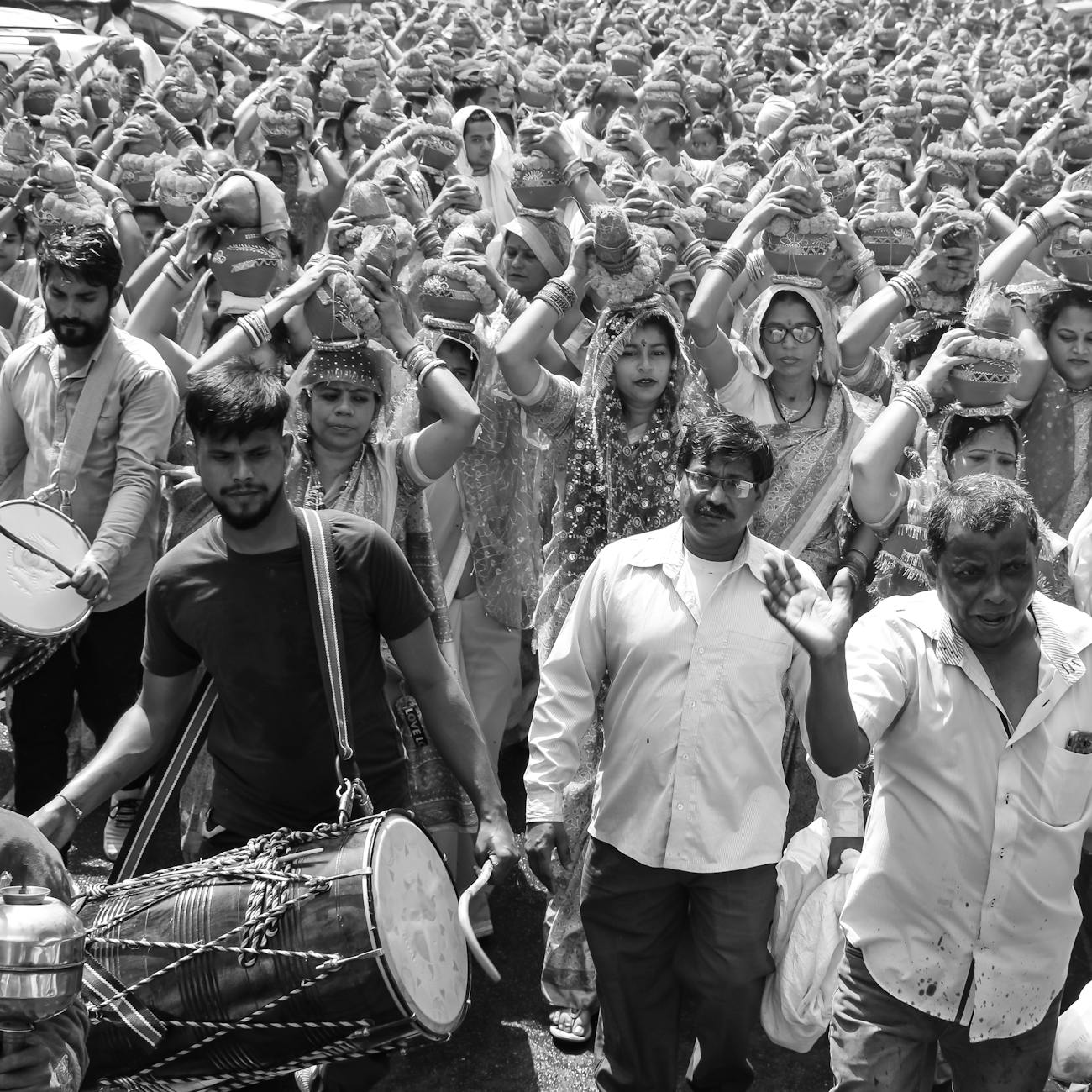
Drumming therapy is a form of expressive therapy that uses drums and percussion instruments as tools for healing and self-expression. The rhythmic nature of drumming has been used for centuries in various cultures around the world for ceremonial, spiritual, and therapeutic purposes. In recent years, drumming therapy has gained popularity as a complementary approach in healthcare settings, particularly for individuals with dementia.
Key Terms and Vocabulary
Rhythmic: Rhythmic refers to a regular, repeated pattern of sounds or movements. In drumming therapy, the rhythmic beats created by drumming can help individuals synchronize their movements and thoughts, promoting a sense of unity and connection.
Expressive Therapy: Expressive therapy is a form of therapy that encourages self-expression through creative activities such as art, music, dance, and drama. Drumming therapy falls under the umbrella of expressive therapy, allowing individuals to express their emotions and thoughts through drumming.
Healing: Healing refers to the process of restoring health and well-being. In drumming therapy, the act of drumming can promote healing on physical, emotional, and spiritual levels by reducing stress, improving mood, and enhancing overall quality of life.
Self-Expression: Self-expression is the ability to communicate one's thoughts, feelings, and emotions in a creative and authentic way. Drumming therapy provides individuals with a non-verbal outlet for self-expression, allowing them to connect with their inner selves and express their emotions through rhythm and sound.
Ceremonial: Ceremonial refers to rituals or practices performed in a formal or ceremonial setting. Drumming has been used in various cultures for ceremonial purposes, such as celebrating milestones, honoring ancestors, or connecting with the divine.
Spiritual: Spiritual refers to matters of the spirit or soul, often related to one's beliefs, values, and connection to a higher power. Drumming therapy can have a spiritual component, helping individuals connect with their inner spirituality and find a sense of peace and harmony.
Therapeutic: Therapeutic refers to the healing or treatment of a physical, mental, or emotional condition. Drumming therapy is a therapeutic intervention that can be used to address a wide range of issues, including stress, anxiety, depression, and cognitive decline.
Complementary Approach: A complementary approach is a non-conventional or alternative therapy used alongside traditional medical treatments to support overall health and well-being. Drumming therapy is often used as a complementary approach in healthcare settings to enhance the effectiveness of other treatments.
Dementia: Dementia is a group of symptoms associated with a decline in cognitive function, including memory loss, confusion, and difficulty with daily activities. Drumming therapy has shown promise in improving cognitive function, reducing behavioral symptoms, and enhancing quality of life for individuals with dementia.
Benefits of Drumming Therapy for Dementia Care
Drumming therapy offers a variety of benefits for individuals with dementia, including:
Cognitive Stimulation: Drumming therapy can provide cognitive stimulation through rhythmic patterns, repetition, and coordination exercises. Engaging in drumming activities can help individuals with dementia improve memory, attention, and problem-solving skills.
Emotional Expression: Drumming therapy allows individuals with dementia to express their emotions non-verbally through rhythm and sound. Drumming can be a powerful outlet for releasing pent-up emotions, reducing anxiety, and promoting a sense of well-being.
Social Interaction: Drumming therapy encourages social interaction and engagement among individuals with dementia. Group drumming sessions can foster a sense of community, belonging, and connection, enhancing social skills and reducing feelings of isolation.
Physical Exercise: Drumming therapy involves physical movement and coordination, providing individuals with dementia an opportunity to engage in gentle exercise. Drumming can improve motor skills, coordination, and balance, promoting physical well-being and overall health.
Sensory Stimulation: Drumming therapy offers sensory stimulation through the tactile, auditory, and visual experiences of playing drums and percussion instruments. Sensory stimulation can help individuals with dementia remain engaged, focused, and alert during drumming sessions.
Empowerment: Drumming therapy can empower individuals with dementia by providing them with a sense of accomplishment, mastery, and self-confidence. Drumming activities can boost self-esteem, promote independence, and enhance feelings of empowerment and agency.
Challenges and Considerations in Drumming Therapy for Dementia Care
While drumming therapy can be a beneficial intervention for individuals with dementia, there are some challenges and considerations to keep in mind:
Adaptability: Drumming activities may need to be adapted to meet the individual needs and abilities of participants with dementia. Consider using simpler rhythms, providing extra support and guidance, and creating a safe and comfortable environment for drumming sessions.
Engagement: Individuals with dementia may have varying levels of interest and engagement in drumming therapy. It is important to tailor drumming activities to the preferences and abilities of participants, keeping sessions engaging, interactive, and enjoyable.
Communication: Individuals with dementia may have difficulty communicating verbally or following instructions during drumming sessions. Use non-verbal cues, visual aids, and simple instructions to facilitate communication and ensure that participants feel supported and understood.
Behavioral Challenges: Individuals with dementia may exhibit challenging behaviors such as agitation, aggression, or resistance during drumming therapy. Be prepared to respond calmly and compassionately to these behaviors, using de-escalation techniques and seeking assistance from healthcare professionals if needed.
Group Dynamics: Group drumming sessions may present challenges in managing group dynamics, communication, and interactions among participants with dementia. Foster a supportive and inclusive atmosphere, encourage collaboration and teamwork, and address any conflicts or issues that may arise during drumming sessions.
Conclusion
In conclusion, drumming therapy is a powerful and effective intervention for individuals with dementia, offering cognitive, emotional, social, physical, and sensory benefits. By incorporating drumming activities into dementia care programs, healthcare providers can enhance the quality of life, well-being, and overall functioning of individuals with dementia. With careful planning, adaptation, and consideration of the unique needs and challenges of individuals with dementia, drumming therapy can be a valuable tool for promoting healing, self-expression, and empowerment in dementia care settings.
Key takeaways
- In recent years, drumming therapy has gained popularity as a complementary approach in healthcare settings, particularly for individuals with dementia.
- In drumming therapy, the rhythmic beats created by drumming can help individuals synchronize their movements and thoughts, promoting a sense of unity and connection.
- Expressive Therapy: Expressive therapy is a form of therapy that encourages self-expression through creative activities such as art, music, dance, and drama.
- In drumming therapy, the act of drumming can promote healing on physical, emotional, and spiritual levels by reducing stress, improving mood, and enhancing overall quality of life.
- Drumming therapy provides individuals with a non-verbal outlet for self-expression, allowing them to connect with their inner selves and express their emotions through rhythm and sound.
- Drumming has been used in various cultures for ceremonial purposes, such as celebrating milestones, honoring ancestors, or connecting with the divine.
- Drumming therapy can have a spiritual component, helping individuals connect with their inner spirituality and find a sense of peace and harmony.