
Oil and Gas Law
The oil and gas industry is a complex and highly regulated sector, with a vast array of technical terms and concepts that are essential to understanding the legal framework that governs it. At the heart of oil and gas law is the concept of …
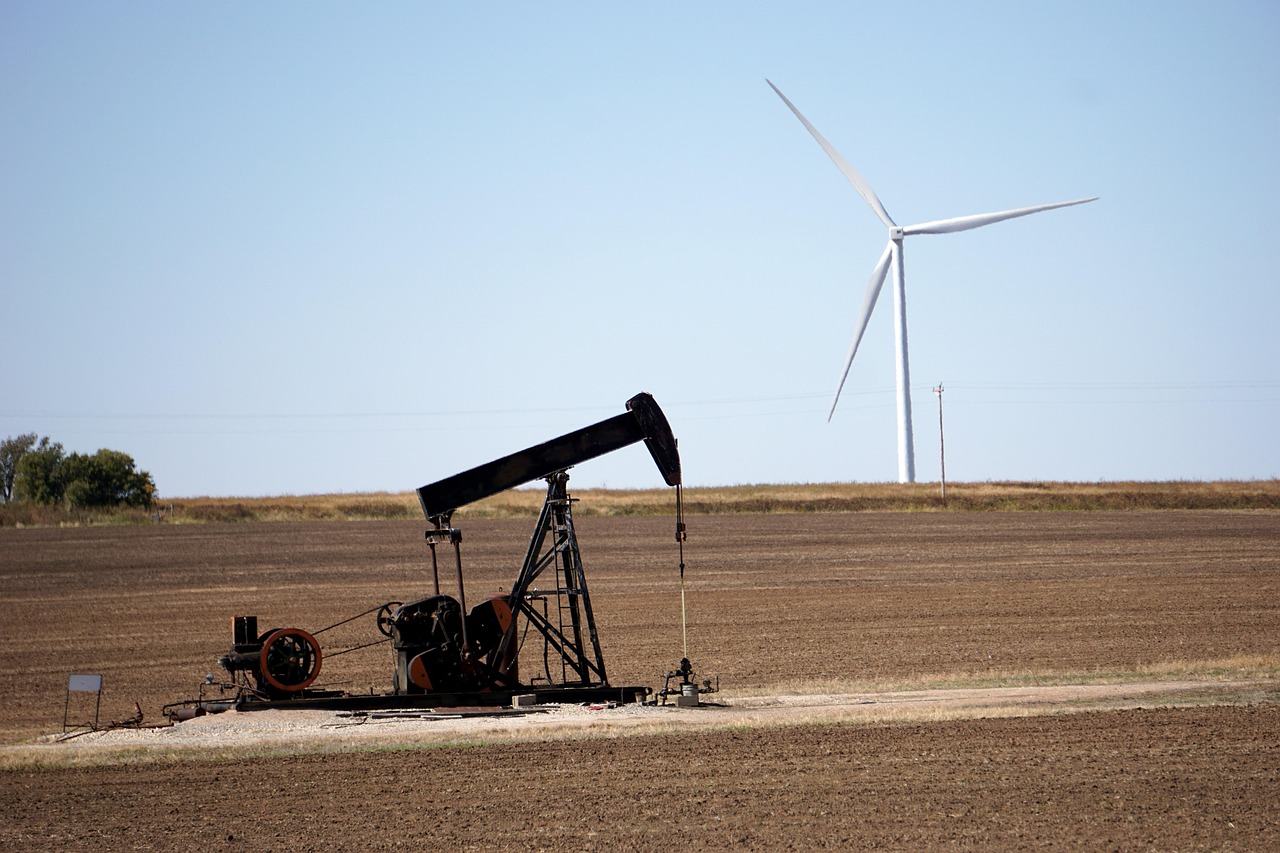
The oil and gas industry is a complex and highly regulated sector, with a vast array of technical terms and concepts that are essential to understanding the legal framework that governs it. At the heart of oil and gas law is the concept of hydrocarbons, which refers to the various types of oil and gas that are extracted from the earth. These hydrocarbons can take many forms, including crude oil, natural gas, and condensate, each with its own unique characteristics and uses.
One of the key challenges in oil and gas law is the issue of ownership of these hydrocarbons. In most countries, the state owns the hydrocarbons that lie beneath its territory, and companies that wish to extract these resources must obtain permission from the state to do so. This permission is typically granted through a license or concession agreement, which sets out the terms and conditions under which the company can extract the hydrocarbons.
These agreements can take many forms, including production sharing agreements, service contracts, and joint ventures. Production sharing agreements, for example, involve the company paying a percentage of the oil or gas produced to the state, while service contracts involve the company providing services to the state in exchange for a fee. Joint ventures, on the other hand, involve the company partnering with the state or another company to extract the hydrocarbons.
Another important concept in oil and gas law is the idea of exploration and production. Exploration refers to the process of searching for hydrocarbons, and can involve a range of activities, including seismic surveying and drilling. Production, on the other hand, refers to the process of extracting the hydrocarbons from the earth, and can involve a range of activities, including well completion and pipeline transportation.
The oil and gas industry is also subject to a range of environmental and safety regulations, which are designed to minimize the impact of oil and gas activities on the environment and to protect the health and safety of workers and local communities. These regulations can include requirements for environmental impact assessments, spill response plans, and worker training programs.
In addition to these regulations, the oil and gas industry is also subject to a range of taxation and royalty regimes, which can vary significantly from country to country. These regimes can include income tax, value-added tax, and royalties, which are paid to the state on the oil and gas produced.
The oil and gas industry is also subject to a range of international laws and agreements, including the United Nations Convention on the Law of the Sea and the Energy Charter Treaty. These laws and agreements can provide a framework for cooperation between countries on oil and gas issues, and can help to promote stability and security in the industry.
One of the key challenges in oil and gas law is the issue of dispute resolution. Disputes can arise between companies, between companies and states, and between states, and can be difficult to resolve. There are a range of mechanisms for resolving these disputes, including arbitration, mediation, and litigation.
The oil and gas industry is also subject to a range of corporate and financial laws and regulations, including company law, securities law, and banking law. These laws and regulations can provide a framework for the governance and financing of oil and gas companies, and can help to promote transparency and accountability in the industry.
In terms of practical applications, oil and gas law is essential for companies that operate in the industry. These companies must navigate a complex web of laws and regulations, and must ensure that they are in compliance with all relevant requirements. This can involve obtaining permits and licenses, complying with environmental and safety regulations, and paying taxes and royalties.
Oil and gas law is also essential for governments and regulatory bodies, which must develop and implement laws and regulations that promote the development of the oil and gas industry, while also protecting the environment and public health. This can involve drafting legislation and regulations, issuing permits and licenses, and enforcing compliance with laws and regulations.
The oil and gas industry is also subject to a range of challenges and risks, including price volatility, geological risks, and political risks. These challenges and risks can make it difficult for companies to operate in the industry, and can require them to develop strategies for managing and mitigating these risks.
In terms of examples, the oil and gas industry has experienced a range of significant events and developments in recent years, including the shale gas revolution in the United States, the oil price crash of 2014, and the implementation of the Paris Agreement on climate change. These events and developments have highlighted the complexity and uncertainty of the oil and gas industry, and have required companies and governments to adapt and respond to changing circumstances.
The oil and gas industry is also subject to a range of emerging trends and technologies, including the development of renewable energy sources, the use of artificial intelligence and machine learning, and the implementation of blockchain technology. These trends and technologies have the potential to transform the oil and gas industry, and to promote sustainability and efficiency in the sector.
In terms of case studies, the oil and gas industry has experienced a range of significant disputes and litigation in recent years, including the BP Deepwater Horizon spill and the ExxonMobil climate change litigation. These cases have highlighted the importance of compliance with laws and regulations, and the need for companies to develop strategies for managing and mitigating risks.
The oil and gas industry is also subject to a range of regulatory frameworks and standards, including the ISO 9001 standard for quality management and the API standard for oil and gas operations. These frameworks and standards can provide a basis for best practices and benchmarking in the industry, and can help to promote consistency and reliability in oil and gas operations.
In addition to these frameworks and standards, the oil and gas industry is also subject to a range of voluntary initiatives and certification schemes, including the Extractive Industries Transparency Initiative and the Oil and Gas Methane Partnership. These initiatives and schemes can provide a framework for transparency and accountability in the industry, and can help to promote sustainability and responsible practices in oil and gas operations.
The oil and gas industry is also subject to a range of international cooperation and collaboration, including the International Energy Agency and the Organization of the Petroleum Exporting Countries. These organizations can provide a framework for cooperation and coordination between countries on oil and gas issues, and can help to promote stability and security in the industry.
In terms of future developments, the oil and gas industry is likely to be shaped by a range of factors, including changing energy demand, advances in technology, and evolving regulatory frameworks. These factors can create both opportunities and challenges for companies and governments, and can require them to develop strategies for adapting to changing circumstances.
The oil and gas industry is also subject to a range of ethical considerations and social responsibilities, including the impact of oil and gas operations on local communities and the environment. These considerations and responsibilities can require companies to develop strategies for managing and mitigating their social and environmental footprint, and can involve engagement with stakeholders and transparent reporting of their activities.
In terms of career paths, oil and gas law can provide a range of opportunities for lawyers, policy analysts, and energy professionals. These opportunities can include working for oil and gas companies, governments, and regulatory bodies, as well as for consulting firms and non-governmental organizations.
The oil and gas industry is also subject to a range of research and development activities, including the development of new technologies and innovations in oil and gas operations. These activities can involve collaboration between companies, universities, and research institutions, and can help to promote efficiency and sustainability in the industry.
In terms of education and training, oil and gas law can provide a range of opportunities for students and professionals to develop their knowledge and skills in the field. These opportunities can include degree programs and certification courses, as well as workshops and conferences on oil and gas law and related topics.
The oil and gas industry is also subject to a range of publication and resources, including books and articles on oil and gas law, as well as online databases and websites that provide information and analysis on the industry. These publications and resources can provide a valuable source of information and insight for companies, governments, and individuals involved in the oil and gas industry.
In terms of networking opportunities, oil and gas law can provide a range of opportunities for professionals to connect with others in the field, including conferences and seminars on oil and gas law, as well as professional associations and networking groups. These opportunities can help to promote collaboration and knowledge-sharing in the industry, and can provide a valuable source of contacts and connections for professionals.
The oil and gas industry is also subject to a range of challenges and risks, including geopolitical risks, cybersecurity risks, and environmental risks. These challenges and risks can require companies to develop strategies for managing and mitigating them, and can involve investing in new technologies and innovations to promote sustainability and resilience in the industry.
In terms of best practices, oil and gas law can provide a range of opportunities for companies to develop and implement best practices in the field, including transparency and accountability in oil and gas operations, as well as compliance with laws and regulations. These best practices can help to promote efficiency and sustainability in the industry, and can involve collaboration with stakeholders and engagement with local communities.
The oil and gas industry is also subject to a range of regulatory reforms and initiatives, including the implementation of new laws and regulations and the development of new standards and guidelines for the industry. These reforms and initiatives can help to promote transparency and accountability in the industry, and can involve consultation with stakeholders and engagement with local communities.
In terms of future outlook, the oil and gas industry is likely to be shaped by a range of factors, including changing energy demand, advances in technology, and evolving regulatory frameworks. These factors can create both opportunities and challenges for companies and governments, and can require them to develop strategies for adapting to changing circumstances.
The oil and gas industry is also subject to a range of global trends and developments, including the growth of renewable energy and the increasing importance of energy efficiency. These trends and developments can help to promote sustainability and resilience in the industry, and can involve collaboration between companies, governments, and civil society to promote transparency and accountability in the industry.
In terms of conclusion, oil and gas law is a complex and highly specialized field that requires a deep understanding of the technical, legal, and regulatory aspects of the oil and gas industry. The industry is subject to a range of challenges and risks, including geopolitical risks, cybersecurity risks, and environmental risks, and companies must develop strategies for managing and mitigating these risks. The industry is also subject to a range of regulatory frameworks and standards, including the ISO 9001 standard for quality management and the API standard for oil and gas operations, and companies must ensure that they are in compliance with all relevant laws and regulations.
Key takeaways
- The oil and gas industry is a complex and highly regulated sector, with a vast array of technical terms and concepts that are essential to understanding the legal framework that governs it.
- In most countries, the state owns the hydrocarbons that lie beneath its territory, and companies that wish to extract these resources must obtain permission from the state to do so.
- Production sharing agreements, for example, involve the company paying a percentage of the oil or gas produced to the state, while service contracts involve the company providing services to the state in exchange for a fee.
- Production, on the other hand, refers to the process of extracting the hydrocarbons from the earth, and can involve a range of activities, including well completion and pipeline transportation.
- These regulations can include requirements for environmental impact assessments, spill response plans, and worker training programs.
- In addition to these regulations, the oil and gas industry is also subject to a range of taxation and royalty regimes, which can vary significantly from country to country.
- The oil and gas industry is also subject to a range of international laws and agreements, including the United Nations Convention on the Law of the Sea and the Energy Charter Treaty.