
Fine Art Conservation and Restoration
Fine art conservation and restoration are crucial aspects of preserving and maintaining the integrity and beauty of artworks. This field requires a deep understanding of materials, techniques, and historical context to ensure that artworks …
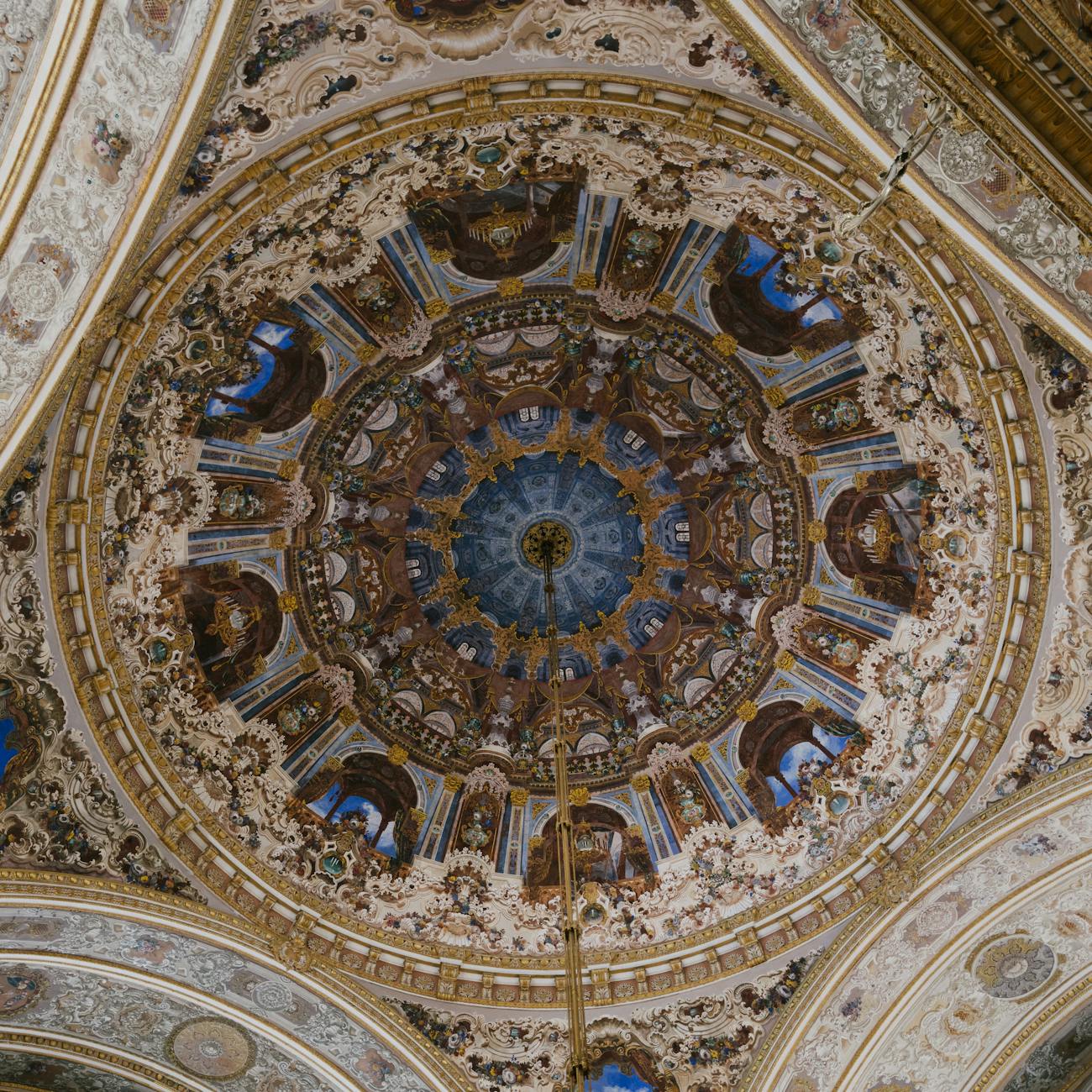
Fine art conservation and restoration are crucial aspects of preserving and maintaining the integrity and beauty of artworks. This field requires a deep understanding of materials, techniques, and historical context to ensure that artworks are protected for future generations. In this course, we will explore key terms and concepts related to fine art conservation and restoration to provide a comprehensive understanding of this important field.
Conservation vs. Restoration
Conservation and restoration are often used interchangeably but have distinct meanings in the context of fine art. Conservation refers to the process of preserving and protecting artworks through preventive measures, such as proper handling, storage, and environmental control. It aims to slow down the deterioration of artworks and prevent further damage.
On the other hand, restoration involves the physical repair and treatment of artworks to return them to their original state, as closely as possible. Restoration may include cleaning, repairing tears or losses, and inpainting to recreate missing areas. While conservation focuses on long-term preservation, restoration is more concerned with the aesthetics and visual integrity of the artwork.
Materials and Techniques
Fine art conservation and restoration require a deep understanding of materials and techniques used in creating artworks. Conservators must be able to identify the materials used in an artwork, such as pigments, canvas, wood, or metal, to determine the best conservation approach. They must also be familiar with the techniques employed by artists, such as painting, sculpture, or printmaking, to understand how the artwork was made and how it may have deteriorated over time.
For example, a conservator working on a painting by a 19th-century artist must be knowledgeable about the pigments commonly used during that period, such as lead white or vermilion. They must also understand the painting techniques of the artist, such as underpainting or glazing, to determine the best approach to cleaning and restoring the artwork.
Preventive Conservation
Preventive conservation is a key aspect of fine art conservation that focuses on minimizing risks to artworks through proper storage, handling, and display. This includes controlling temperature and humidity levels, protecting artworks from light exposure, and using archival materials for storage and framing.
For example, a museum may implement a strict environmental control system to maintain stable temperature and humidity levels in exhibition spaces to prevent artworks from deteriorating. They may also rotate artworks on display to minimize light exposure and provide protective cases for fragile objects.
Conservation Ethics
Conservation ethics are guiding principles that govern the practice of fine art conservation and restoration. These principles include respect for the original artwork, transparency in treatment decisions, minimal intervention, reversibility of treatments, and documentation of all interventions.
For example, a conservator working on a 17th-century painting must respect the artist's original intentions and avoid overzealous restoration that may alter the artwork's historical significance. They must also document all interventions, such as cleaning or inpainting, to provide a record of the artwork's conservation history.
Challenges in Conservation
Fine art conservation and restoration present numerous challenges due to the complex nature of artworks and the unpredictable effects of time and environment. Some common challenges include:
- Deterioration: Artworks are susceptible to deterioration from factors such as light exposure, temperature fluctuations, and pests. Conservators must carefully monitor artworks for signs of deterioration and take proactive measures to prevent further damage.
- Previous Restorations: Artworks that have been previously restored may present challenges for conservators, as older restoration materials and techniques may deteriorate over time or be incompatible with modern conservation practices. Conservators must carefully assess the condition of the artwork and previous restoration treatments to determine the best approach.
- Ethics and Decision-Making: Conservation decisions are often complex and require careful consideration of ethical principles, artistic intent, and historical context. Conservators must weigh the benefits and risks of treatments and consult with colleagues, curators, and other experts to make informed decisions.
Case Studies
To illustrate key concepts in fine art conservation and restoration, we will examine several case studies of notable artworks that have undergone conservation treatments:
- The Sistine Chapel Ceiling: Michelangelo's famous frescoes on the ceiling of the Sistine Chapel underwent a major restoration in the 1980s to remove centuries of dirt and grime. The restoration revealed vibrant colors and intricate details that had been obscured by dirt and smoke from candles.
- The Ghent Altarpiece: The Ghent Altarpiece, painted by the Van Eyck brothers in the 15th century, has undergone several restorations over the centuries to repair damage from wars, theft, and neglect. The most recent restoration, completed in 2020, aimed to remove yellowed varnish and inpainting from previous restorations to reveal the original colors and details of the artwork.
- The Last Supper: Leonardo da Vinci's iconic painting The Last Supper has undergone multiple restorations to stabilize the deteriorating paint layer and repair damage from humidity and war. The most recent restoration, completed in 1999, used advanced imaging techniques to analyze the painting's condition and guide treatment decisions.
By studying these case studies, students will gain a deeper understanding of the challenges and rewards of fine art conservation and restoration and learn how conservators approach complex treatments to preserve and protect artworks for future generations.
In conclusion, fine art conservation and restoration are vital practices that ensure the longevity and beauty of artworks for future generations. By understanding key terms and concepts in this field, students will be equipped to appreciate the complexities of preserving cultural heritage and contribute to the ongoing conservation efforts in the art world.
Key takeaways
- In this course, we will explore key terms and concepts related to fine art conservation and restoration to provide a comprehensive understanding of this important field.
- Conservation refers to the process of preserving and protecting artworks through preventive measures, such as proper handling, storage, and environmental control.
- On the other hand, restoration involves the physical repair and treatment of artworks to return them to their original state, as closely as possible.
- They must also be familiar with the techniques employed by artists, such as painting, sculpture, or printmaking, to understand how the artwork was made and how it may have deteriorated over time.
- For example, a conservator working on a painting by a 19th-century artist must be knowledgeable about the pigments commonly used during that period, such as lead white or vermilion.
- Preventive conservation is a key aspect of fine art conservation that focuses on minimizing risks to artworks through proper storage, handling, and display.
- For example, a museum may implement a strict environmental control system to maintain stable temperature and humidity levels in exhibition spaces to prevent artworks from deteriorating.