
Cardiopulmonary Conditions
Cardiopulmonary conditions are disorders that affect the heart and lungs, impacting an individual's ability to breathe efficiently and transport oxygen throughout the body. These conditions can have a significant impact on a child's physica…
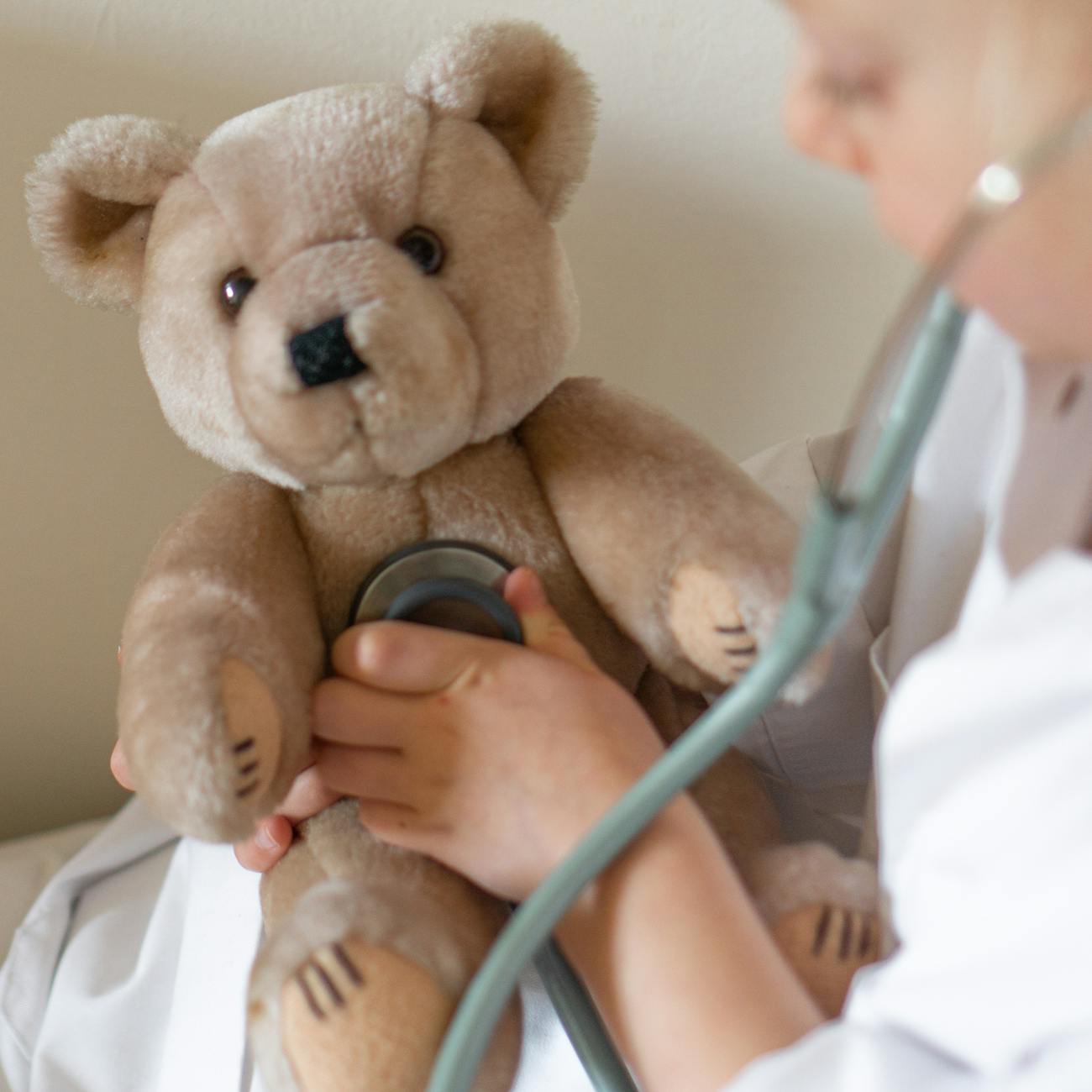
Cardiopulmonary conditions are disorders that affect the heart and lungs, impacting an individual's ability to breathe efficiently and transport oxygen throughout the body. These conditions can have a significant impact on a child's physical function and overall well-being. As a pediatric physical therapist, it is essential to have a comprehensive understanding of key terms and vocabulary related to cardiopulmonary conditions to provide effective care and support for these young patients.
1. **Cardiovascular System**: The cardiovascular system consists of the heart, blood vessels, and blood. Its primary function is to transport oxygen, nutrients, hormones, and waste products throughout the body. The heart pumps blood through the blood vessels, ensuring that all cells receive the necessary oxygen and nutrients for proper functioning.
2. **Respiratory System**: The respiratory system includes the lungs and airways, responsible for the exchange of oxygen and carbon dioxide. Oxygen is inhaled into the lungs, where it is transferred to the blood, while carbon dioxide is removed from the blood and exhaled from the body. This process is essential for cellular respiration and energy production.
3. **Cardiopulmonary Conditions**: Cardiopulmonary conditions encompass a range of disorders affecting the heart and lungs, such as asthma, cystic fibrosis, congenital heart defects, and respiratory infections. These conditions can impact a child's ability to breathe effectively, leading to decreased physical endurance, fatigue, and limitations in daily activities.
4. **Asthma**: Asthma is a chronic respiratory condition characterized by inflammation and narrowing of the airways, leading to difficulty breathing, wheezing, and coughing. Triggers such as allergens, exercise, or respiratory infections can exacerbate asthma symptoms, requiring timely management with medications and lifestyle modifications.
5. **Cystic Fibrosis**: Cystic fibrosis is a genetic disorder that affects the lungs and digestive system, leading to the production of thick, sticky mucus. This mucus can obstruct the airways, causing recurrent lung infections, breathing difficulties, and poor nutrient absorption. Treatment for cystic fibrosis includes chest physiotherapy, medications, and nutritional support.
6. **Congenital Heart Defects**: Congenital heart defects are structural abnormalities present at birth, affecting the heart's chambers, valves, or blood vessels. These defects can disrupt normal blood flow, leading to symptoms such as fatigue, cyanosis (bluish skin), and poor growth. Treatment may involve medications, surgery, or catheter-based interventions.
7. **Respiratory Infections**: Respiratory infections are common in children and can affect the upper respiratory tract (e.g., common cold) or lower respiratory tract (e.g., pneumonia). These infections can cause symptoms such as cough, fever, and difficulty breathing, requiring appropriate medical treatment to prevent complications.
8. **Pulmonary Function Tests (PFTs)**: Pulmonary function tests are diagnostic tests used to assess lung function, including lung volumes, airflow, and gas exchange. Common PFTs include spirometry, which measures lung capacity and airflow, and gas diffusion tests, which evaluate the lungs' ability to transfer oxygen and carbon dioxide.
9. **Oxygen Saturation (SpO2)**: Oxygen saturation is a measure of the percentage of hemoglobin saturated with oxygen in the blood. Normal oxygen saturation levels are typically above 95%, indicating adequate oxygenation of tissues. Low oxygen saturation levels can indicate respiratory compromise and the need for supplemental oxygen therapy.
10. **Ventilation**: Ventilation refers to the process of moving air in and out of the lungs to facilitate gas exchange. Adequate ventilation is essential for maintaining proper oxygen and carbon dioxide levels in the blood. Impaired ventilation can lead to respiratory distress and hypoxemia (low oxygen levels).
11. **Perfusion**: Perfusion is the process of delivering oxygenated blood to tissues and organs throughout the body. Proper perfusion ensures adequate oxygen supply for cellular metabolism and function. In cardiopulmonary conditions, impaired perfusion can result in tissue hypoxia and organ dysfunction.
12. **Dyspnea**: Dyspnea is a subjective sensation of breathlessness or difficulty breathing. Children with cardiopulmonary conditions may experience dyspnea during physical activity, at rest, or in specific positions. Assessing dyspnea severity can help guide treatment and monitor respiratory status.
13. **Hypoxemia**: Hypoxemia is a condition characterized by low levels of oxygen in the blood. It can result from inadequate oxygen intake, impaired gas exchange in the lungs, or reduced oxygen-carrying capacity of the blood. Hypoxemia can lead to tissue hypoxia and organ damage if not promptly addressed.
14. **Hypercapnia**: Hypercapnia is a condition marked by elevated levels of carbon dioxide in the blood. It can occur due to inadequate ventilation, respiratory muscle weakness, or impaired gas exchange. Hypercapnia can lead to respiratory acidosis and neurological symptoms if left untreated.
15. **Pulmonary Rehabilitation**: Pulmonary rehabilitation is a multidisciplinary program designed to improve the respiratory function and quality of life in individuals with chronic respiratory conditions. It typically includes exercise training, breathing techniques, education, and psychosocial support to enhance patients' respiratory capacity and independence.
16. **Chest Physiotherapy**: Chest physiotherapy encompasses a range of techniques aimed at mobilizing and clearing secretions from the lungs to improve ventilation and prevent respiratory complications. Common chest physiotherapy methods include postural drainage, percussion, vibration, and coughing techniques.
17. **Home Ventilation**: Home ventilation refers to the provision of mechanical respiratory support to individuals with chronic respiratory failure, such as neuromuscular disorders or congenital anomalies. Home ventilators deliver positive pressure to assist breathing and improve oxygenation, allowing patients to maintain respiratory function outside the hospital setting.
18. **Nebulizer Therapy**: Nebulizer therapy involves the administration of medications in aerosolized form to the lungs through a nebulizer device. This method is commonly used to deliver bronchodilators, corticosteroids, or mucolytics for managing respiratory conditions such as asthma, bronchitis, or cystic fibrosis.
19. **Exercise Testing**: Exercise testing is a valuable tool for evaluating cardiopulmonary function, aerobic capacity, and exercise tolerance in children with respiratory conditions. Tests such as the six-minute walk test, cardiopulmonary exercise test, or shuttle run test can assess functional capacity and guide treatment planning.
20. **Oxygen Therapy**: Oxygen therapy involves the administration of supplemental oxygen to individuals with hypoxemia or respiratory distress. Oxygen can be delivered via nasal cannula, face mask, or ventilator to maintain adequate oxygen levels in the blood and tissues. Proper oxygen titration is essential to prevent oxygen toxicity.
21. **Pulmonary Hypertension**: Pulmonary hypertension is a condition characterized by high blood pressure in the pulmonary arteries, leading to increased workload on the right side of the heart. It can result from various causes, including congenital heart defects, chronic lung diseases, or pulmonary embolism. Treatment aims to reduce pulmonary pressure and improve cardiac function.
22. **Respiratory Muscle Strength**: Respiratory muscle strength refers to the ability of the respiratory muscles (diaphragm, intercostals) to generate force and maintain adequate ventilation. Weakness in these muscles can impair breathing mechanics and lead to respiratory compromise. Strengthening exercises and respiratory training can help improve muscle function.
23. **Pulmonary Clearance Techniques**: Pulmonary clearance techniques are methods used to mobilize and remove excess mucus and secretions from the airways to improve ventilation and prevent infections. These techniques include active cycle of breathing, autogenic drainage, and positive expiratory pressure devices, tailored to individuals' specific needs.
24. **Pulmonary Fibrosis**: Pulmonary fibrosis is a progressive lung disease characterized by the formation of scar tissue in the lungs, impairing oxygen exchange and lung function. It can result from various factors, including environmental exposures, infections, or autoimmune conditions. Treatment focuses on managing symptoms and slowing disease progression.
25. **Pulmonary Embolism**: Pulmonary embolism is a life-threatening condition caused by a blood clot that travels to the lungs, obstructing blood flow and impairing oxygenation. Symptoms may include chest pain, shortness of breath, and coughing up blood. Prompt diagnosis and treatment with anticoagulants are crucial to prevent complications.
26. **Pulmonary Toilet**: Pulmonary toilet refers to the routine care and maintenance of the respiratory system to promote lung health and prevent respiratory complications. It includes techniques such as coughing, deep breathing exercises, chest physiotherapy, and hydration to mobilize secretions and maintain airway clearance.
27. **Pulmonary Edema**: Pulmonary edema is a condition characterized by the accumulation of fluid in the lungs, impairing gas exchange and breathing. It can result from heart failure, pneumonia, or acute respiratory distress syndrome. Treatment involves diuretics, oxygen therapy, and addressing the underlying cause to improve respiratory function.
28. **Pulmonary Function Training**: Pulmonary function training involves exercises and techniques aimed at improving lung function, respiratory muscle strength, and endurance in individuals with cardiopulmonary conditions. Breathing exercises, aerobic training, and inspiratory muscle training can enhance ventilation efficiency and functional capacity.
29. **Pulmonary Arterial Hypertension**: Pulmonary arterial hypertension is a rare condition characterized by high blood pressure in the arteries of the lungs, leading to right heart failure and decreased oxygen delivery. It can be idiopathic or secondary to other conditions, requiring specialized treatment with vasodilators, anticoagulants, or lung transplantation.
30. **Pulse Oximetry**: Pulse oximetry is a non-invasive method used to measure oxygen saturation levels in the blood by assessing the color and perfusion of peripheral tissues. A pulse oximeter device emits light through the skin to detect changes in hemoglobin saturation, providing real-time feedback on oxygenation status.
31. **Respiratory Distress**: Respiratory distress is a clinical emergency characterized by rapid, shallow breathing, retractions, cyanosis, and altered mental status. It can result from various causes, including airway obstruction, respiratory infections, or cardiopulmonary failure. Prompt intervention with oxygen therapy and airway management is essential to prevent respiratory failure.
32. **Respiratory Syncytial Virus (RSV)**: Respiratory syncytial virus is a common respiratory infection that affects the lungs and airways, particularly in young children and infants. RSV can cause symptoms similar to the common cold but may lead to severe respiratory distress, bronchiolitis, or pneumonia in vulnerable populations. Prevention strategies include hand hygiene and vaccination.
33. **Respiratory Failure**: Respiratory failure is a condition characterized by inadequate gas exchange in the lungs, resulting in low oxygen levels and high carbon dioxide levels in the blood. It can be acute or chronic and may require mechanical ventilation or oxygen therapy to support respiratory function and maintain vital organ perfusion.
34. **Ventilator-Associated Pneumonia**: Ventilator-associated pneumonia is a type of lung infection that occurs in patients receiving mechanical ventilation in intensive care settings. It can result from bacterial colonization of the endotracheal tube, impaired cough reflex, or aspiration of oral secretions. Prevention measures include proper oral care, elevation of the head of the bed, and timely ventilator weaning.
35. **Pulmonary Rehabilitation Programs**: Pulmonary rehabilitation programs are structured interventions designed to improve the respiratory function, exercise tolerance, and quality of life in individuals with chronic lung diseases. These programs typically involve exercise training, education, nutritional counseling, and psychosocial support to enhance patients' respiratory capacity and functional independence.
36. **Respiratory Therapist**: A respiratory therapist is a healthcare professional trained in the assessment, treatment, and management of patients with cardiopulmonary disorders. Respiratory therapists perform diagnostic tests, deliver respiratory treatments, and provide education on breathing techniques and equipment use to optimize patients' respiratory function and well-being.
37. **Bronchodilators**: Bronchodilators are medications that relax the muscles surrounding the airways, allowing for increased airflow and improved breathing in individuals with respiratory conditions such as asthma or COPD. Short-acting bronchodilators provide quick relief of symptoms, while long-acting bronchodilators help maintain airway patency over an extended period.
38. **Cough Assist Devices**: Cough assist devices are mechanical devices used to assist individuals with weak cough muscles in clearing excess secretions from the lungs. These devices deliver positive pressure during inspiration and negative pressure during expiration, mimicking a natural coughing mechanism to improve airway clearance and prevent respiratory infections.
39. **Endotracheal Tube**: An endotracheal tube is a flexible plastic tube inserted into the trachea through the mouth or nose to establish an airway and facilitate mechanical ventilation. Endotracheal tubes are used in critical care settings to deliver oxygen, remove secretions, and support respiratory function in patients with respiratory failure or compromised airway patency.
40. **Tracheostomy**: A tracheostomy is a surgical procedure that involves creating a stoma (opening) in the neck to access the trachea directly. A tracheostomy tube is inserted into the stoma to maintain a patent airway and assist with breathing in individuals with long-term ventilatory support or upper airway obstruction. Proper tracheostomy care is essential to prevent complications and maintain airway hygiene.
41. **Supplemental Oxygen**: Supplemental oxygen therapy involves the administration of oxygen at higher concentrations than ambient air to improve oxygenation in individuals with hypoxemia or respiratory distress. It can be delivered through nasal cannula, face mask, or ventilator to maintain adequate oxygen saturation levels and support vital organ function.
42. **Respiratory Assessment**: Respiratory assessment involves a comprehensive evaluation of a patient's breathing pattern, lung sounds, oxygen saturation, and respiratory effort to identify abnormalities or changes in respiratory status. Physical therapists use auscultation, palpation, and observation techniques to assess respiratory function and guide treatment interventions.
43. **Diaphragmatic Breathing**: Diaphragmatic breathing, also known as abdominal or deep breathing, involves using the diaphragm muscle to expand the lungs and promote efficient gas exchange. This breathing technique can improve oxygenation, reduce respiratory effort, and enhance lung compliance in individuals with respiratory conditions or impaired breathing mechanics.
44. **Respiratory Secretions**: Respiratory secretions refer to mucus, phlegm, or fluids produced by the respiratory tract to trap and remove foreign particles, pathogens, and debris. Excessive or thick secretions can impair airway clearance, leading to respiratory infections, atelectasis, or breathing difficulties. Chest physiotherapy and hydration can help mobilize and clear respiratory secretions effectively.
45. **Respiratory Syncytial Virus (RSV) Prophylaxis**: Respiratory syncytial virus (RSV) prophylaxis involves the administration of monoclonal antibodies (palivizumab) to high-risk infants and young children to prevent severe RSV infections and respiratory complications. Prophylaxis is recommended for premature infants, infants with chronic lung disease, or congenital heart defects during the RSV season to reduce hospitalizations and morbidity.
46. **Pulmonary Toilet Techniques**: Pulmonary toilet techniques encompass a range of strategies aimed at maintaining optimal lung hygiene, promoting airway clearance, and preventing respiratory complications in individuals with cardiopulmonary conditions. These techniques include deep breathing exercises, coughing, chest percussion, postural drainage, and hydration to mobilize and expel respiratory secretions effectively.
47. **Pulse Oximetry Monitoring**: Pulse oximetry monitoring involves continuous assessment of oxygen saturation levels in the blood using a non-invasive device attached to the finger, earlobe, or toe. Pulse oximeters provide real-time feedback on oxygenation status and respiratory status, allowing healthcare providers to adjust oxygen therapy, monitor respiratory function, and detect hypoxemia promptly.
48. **Pulmonary Hypertension Management**: Pulmonary hypertension management encompasses a multidisciplinary approach to reducing pulmonary pressure, improving cardiac function, and enhancing quality of life in individuals with pulmonary arterial hypertension or secondary pulmonary hypertension. Treatment strategies may include vasodilator therapy, oxygen therapy, diuretics, and lifestyle modifications to optimize pulmonary circulation and reduce disease progression.
49. **Respiratory Muscle Training**: Respiratory muscle training involves exercises and techniques aimed at strengthening the respiratory muscles (diaphragm, intercostals) to improve breathing mechanics, lung function, and endurance in individuals with respiratory conditions. Inspiratory muscle training, expiratory muscle training, and aerobic conditioning can enhance respiratory muscle strength, reduce dyspnea, and improve exercise tolerance.
50. **Pulmonary Rehabilitation Outcomes**: Pulmonary rehabilitation outcomes refer to the measurable improvements in respiratory function, exercise tolerance, quality of life, and functional independence achieved through participation in a structured pulmonary rehabilitation program. These outcomes may include increased lung capacity, reduced dyspnea, improved exercise capacity, and enhanced self-management skills to optimize respiratory health and well-being.
In conclusion, a thorough understanding of key terms and vocabulary related to cardiopulmonary conditions is essential for pediatric physical therapists to provide high-quality care and support for children with respiratory disorders. By familiarizing themselves with these concepts, therapists can effectively assess, treat, and monitor cardiopulmonary conditions, promoting optimal respiratory function and enhancing the quality of life for pediatric patients.
Key takeaways
- As a pediatric physical therapist, it is essential to have a comprehensive understanding of key terms and vocabulary related to cardiopulmonary conditions to provide effective care and support for these young patients.
- The heart pumps blood through the blood vessels, ensuring that all cells receive the necessary oxygen and nutrients for proper functioning.
- Oxygen is inhaled into the lungs, where it is transferred to the blood, while carbon dioxide is removed from the blood and exhaled from the body.
- **Cardiopulmonary Conditions**: Cardiopulmonary conditions encompass a range of disorders affecting the heart and lungs, such as asthma, cystic fibrosis, congenital heart defects, and respiratory infections.
- **Asthma**: Asthma is a chronic respiratory condition characterized by inflammation and narrowing of the airways, leading to difficulty breathing, wheezing, and coughing.
- **Cystic Fibrosis**: Cystic fibrosis is a genetic disorder that affects the lungs and digestive system, leading to the production of thick, sticky mucus.
- **Congenital Heart Defects**: Congenital heart defects are structural abnormalities present at birth, affecting the heart's chambers, valves, or blood vessels.