
Music and Movement in the Early Childhood Classroom
Music and movement are essential components of early childhood education, particularly in a Waldorf classroom. These elements play a crucial role in the holistic development of young children, fostering creativity, coordination, social skil…
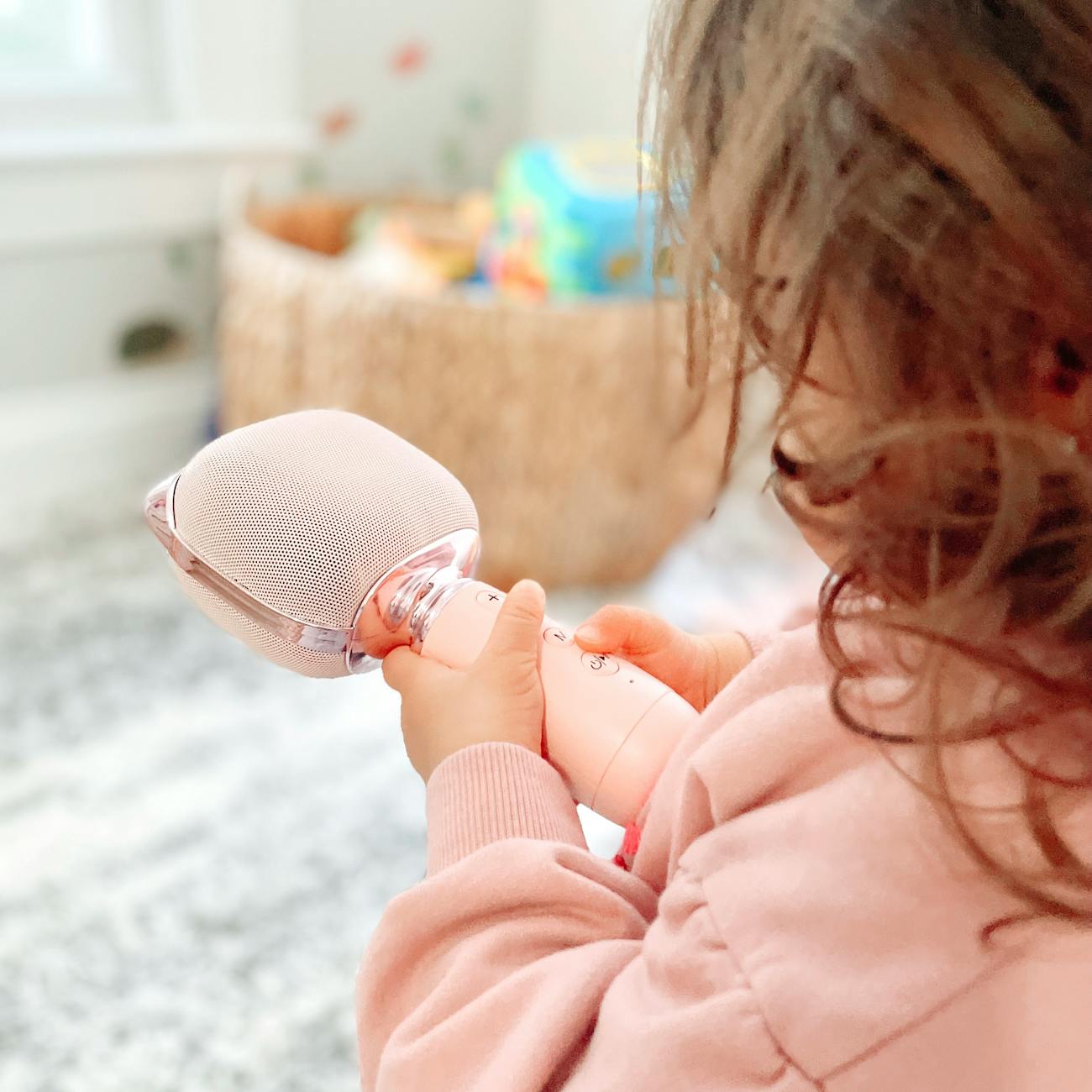
Music and movement are essential components of early childhood education, particularly in a Waldorf classroom. These elements play a crucial role in the holistic development of young children, fostering creativity, coordination, social skills, emotional expression, and cognitive abilities. In the Certificate in Waldorf Education in Early Childhood, educators learn how to incorporate music and movement activities into their daily curriculum to support the growth and well-being of their students.
Key Terms:
1. **Rhythm**: Rhythm is the pattern of sounds and silences in music that creates a sense of movement and structure. In early childhood education, rhythm activities help children develop coordination, concentration, and a sense of timing. For example, clapping to a steady beat or marching to a drum rhythm.
2. **Melody**: Melody is a series of musical notes that create a tune or theme. Melodic activities in the classroom can include singing songs, playing simple instruments like xylophones or recorders, or listening to music with distinct melodic lines.
3. **Harmony**: Harmony refers to the combination of different musical notes played or sung together to create a pleasing sound. Introducing harmonies in music activities can enhance children's auditory discrimination skills and introduce them to the concept of musical relationships.
4. **Tempo**: Tempo is the speed at which music is played. Exploring different tempos in movement activities can help children understand concepts like fast and slow, energizing them or calming them depending on the tempo of the music.
5. **Improvisation**: Improvisation involves creating music or movement spontaneously without a set plan or structure. Encouraging children to improvise in music and movement activities can boost their creativity, self-expression, and confidence.
6. **Musical Instruments**: Musical instruments are tools that produce sounds or tones, such as drums, bells, xylophones, and shakers. Providing children with opportunities to explore and play musical instruments can enhance their sensory-motor skills and auditory perception.
7. **Dance**: Dance involves rhythmic movements of the body in response to music. Integrating dance into the curriculum can help children develop physical coordination, balance, and spatial awareness while expressing emotions and creativity through movement.
8. **Creative Movement**: Creative movement activities encourage children to express themselves through spontaneous movements and gestures. These activities promote body awareness, self-regulation, and emotional release in a playful and non-judgmental environment.
9. **Circle Time**: Circle time is a group gathering where children and teachers sit together in a circle to engage in various activities, such as singing songs, playing games, or sharing stories. Circle time is a valuable opportunity to incorporate music and movement into the daily routine.
10. **Body Percussion**: Body percussion involves using the body as an instrument to create rhythmic sounds through clapping, stomping, snapping, or patting. Teaching children body percussion techniques can enhance their rhythmic skills and kinesthetic awareness.
11. **Breathing Exercises**: Breathing exercises are techniques that help children regulate their breathing patterns to promote relaxation, focus, and emotional well-being. Incorporating breathing exercises into music and movement activities can support children's self-regulation and stress management skills.
12. **Gross Motor Skills**: Gross motor skills involve the coordination of large muscle groups for activities like running, jumping, and climbing. Music and movement activities that target gross motor skills can improve children's physical strength, balance, and spatial awareness.
13. **Fine Motor Skills**: Fine motor skills require the coordination of small muscle groups for activities like drawing, cutting, and playing instruments. Music and movement activities that focus on fine motor skills can enhance children's hand-eye coordination and dexterity.
14. **Cross-Lateral Movements**: Cross-lateral movements involve actions that cross the midline of the body, such as touching the opposite hand to the opposite knee. These movements help integrate the left and right hemispheres of the brain, promoting cognitive development and coordination.
15. **Sensory Integration**: Sensory integration refers to the brain's ability to organize and interpret sensory information from the environment. Music and movement activities that engage multiple senses simultaneously, such as listening to music while dancing, can support sensory integration and overall cognitive development.
16. **Storytelling through Movement**: Storytelling through movement involves using gestures, expressions, and body language to convey a narrative without words. This form of expressive movement can enhance children's communication skills, creativity, and emotional intelligence.
17. **Cultural Diversity**: Cultural diversity encompasses the variety of traditions, languages, beliefs, and customs present in a community. Incorporating music and movement from diverse cultures in the classroom can foster appreciation for different perspectives, empathy, and global awareness among children.
18. **Inclusive Practices**: Inclusive practices in early childhood education aim to create environments where all children, regardless of abilities or backgrounds, feel welcomed and supported. Implementing inclusive music and movement activities ensures that every child can participate and benefit from these experiences.
19. **Collaboration**: Collaboration involves working together with others to achieve a common goal. Music and movement activities that encourage collaboration teach children valuable social skills, such as communication, teamwork, and conflict resolution, while fostering a sense of community and belonging.
20. **Documentation**: Documentation in early childhood education refers to the process of observing, recording, and reflecting on children's learning experiences. Documenting music and movement activities can help educators assess children's progress, identify areas for growth, and communicate with families about their child's development.
Practical Applications:
1. **Morning Circle**: Start the day with a morning circle where children gather to sing a welcome song, do a simple movement activity like stretching or dancing, and share a brief story or verse. Morning circles set a positive tone for the day and engage children in music and movement from the beginning.
2. **Seasonal Songs and Dances**: Integrate seasonal songs and dances into the curriculum to celebrate holidays, festivals, and changes in nature. For example, in the spring, teach children a song about planting seeds and a dance representing blooming flowers to connect music and movement with the environment.
3. **Instrument Exploration**: Set up a music corner with a variety of instruments for children to explore independently or in small groups. Encourage children to experiment with different sounds, rhythms, and melodies using instruments like drums, bells, xylophones, and shakers to foster creativity and sensory-motor skills.
4. **Movement Storytelling**: Tell a story through movement by inviting children to act out characters, scenes, and emotions using gestures and expressions. For example, retell a fairy tale like "The Three Little Pigs" through a series of movements that represent building houses, encountering the wolf, and escaping to safety.
5. **Yoga and Mindfulness**: Incorporate yoga poses and mindfulness exercises into music and movement activities to promote relaxation, body awareness, and emotional regulation. Teach children simple yoga poses like tree pose or cat-cow stretch accompanied by deep breathing to help them center and focus their energy.
Challenges:
1. **Engagement**: Keeping children engaged in music and movement activities can be challenging, especially for those with shorter attention spans or high energy levels. To address this challenge, vary the pace, style, and content of activities, incorporate movement breaks, and provide opportunities for children to make choices and contribute ideas.
2. **Different Learning Styles**: Children have diverse learning styles and preferences when it comes to music and movement. Some may enjoy singing and dancing, while others prefer playing instruments or engaging in quiet movement activities. To accommodate different learning styles, offer a range of activities that appeal to various interests and strengths.
3. **Limited Resources**: Access to musical instruments, props, and space for movement activities can be limited in some early childhood settings. To overcome this challenge, improvise with everyday objects as instruments, use body percussion or oral traditions for music-making, and adapt activities to suit the available resources and environment.
4. **Inclusive Practices**: Ensuring that music and movement activities are inclusive of all children, including those with disabilities or language barriers, requires thoughtful planning and adaptation. Consider using visual cues, simple instructions, and multi-sensory approaches to make activities accessible to every child and create a welcoming and supportive atmosphere.
5. **Assessment and Documentation**: Assessing children's progress in music and movement can be challenging due to the subjective nature of these activities. Use a variety of assessment tools, such as observation checklists, portfolios, and video recordings, to capture children's participation, skill development, and creative expression in music and movement experiences.
By incorporating music and movement into the early childhood classroom, educators can create dynamic and enriching learning environments that support children's holistic development and well-being. Through engaging activities that stimulate creativity, coordination, social interaction, and emotional expression, children can explore the world around them, connect with others, and cultivate a lifelong love of music and movement.
Key takeaways
- In the Certificate in Waldorf Education in Early Childhood, educators learn how to incorporate music and movement activities into their daily curriculum to support the growth and well-being of their students.
- In early childhood education, rhythm activities help children develop coordination, concentration, and a sense of timing.
- Melodic activities in the classroom can include singing songs, playing simple instruments like xylophones or recorders, or listening to music with distinct melodic lines.
- Introducing harmonies in music activities can enhance children's auditory discrimination skills and introduce them to the concept of musical relationships.
- Exploring different tempos in movement activities can help children understand concepts like fast and slow, energizing them or calming them depending on the tempo of the music.
- Encouraging children to improvise in music and movement activities can boost their creativity, self-expression, and confidence.
- Providing children with opportunities to explore and play musical instruments can enhance their sensory-motor skills and auditory perception.