
Slope stability and rock mechanics
In the Advanced Certificate in Engineering Geology and Soil Mechanics course, students will encounter various key terms and vocabulary related to Slope Stability and Rock Mechanics. These terms are essential for understanding the behavior o…
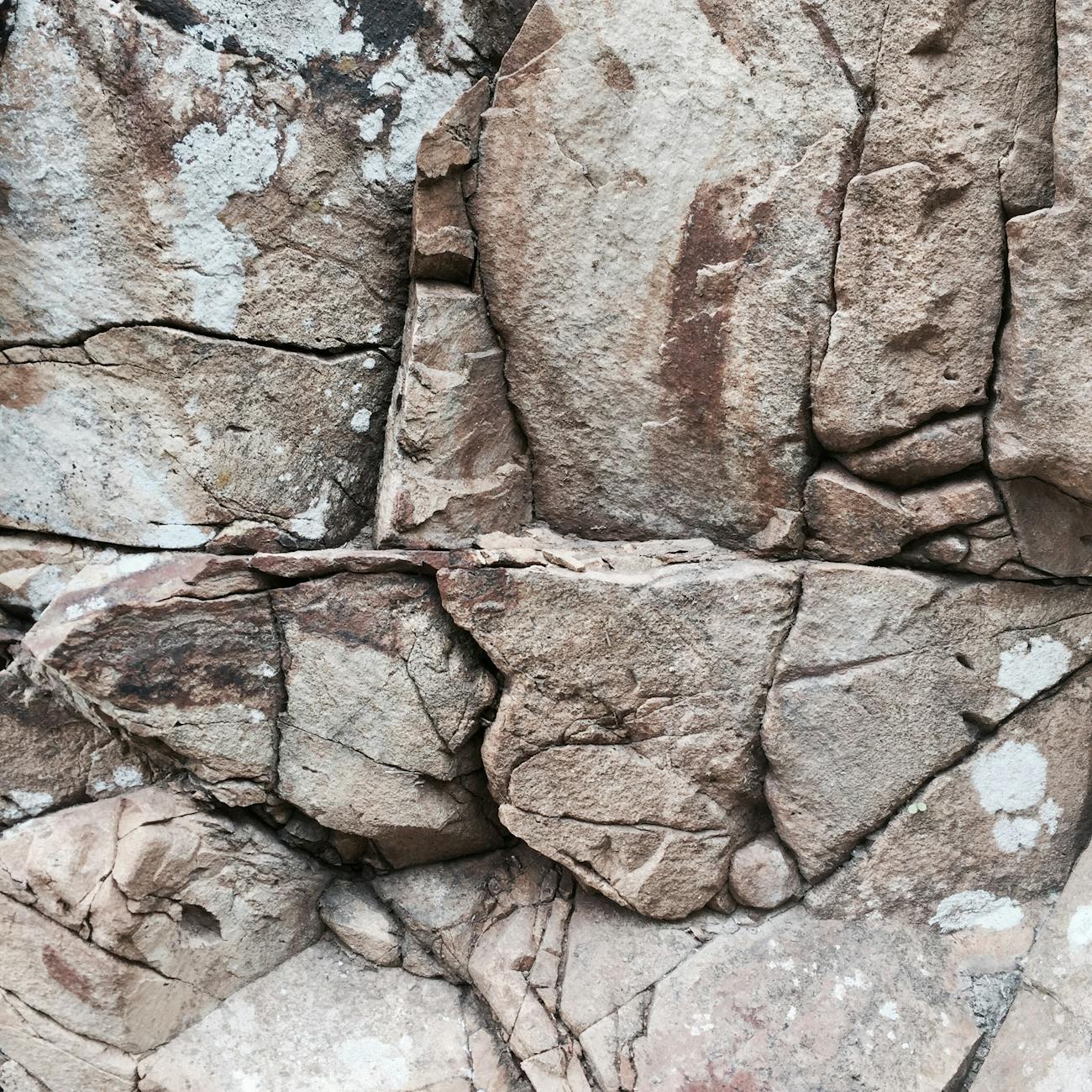
In the Advanced Certificate in Engineering Geology and Soil Mechanics course, students will encounter various key terms and vocabulary related to Slope Stability and Rock Mechanics. These terms are essential for understanding the behavior of rocks and soil in engineering applications. Let's explore these terms in detail:
1. **Slope Stability**: Slope stability refers to the resistance of a slope to failure or collapse. It is a critical consideration in geotechnical engineering, especially in projects involving excavations, embankments, and natural slopes. Factors such as soil properties, water content, slope geometry, and external loads influence slope stability.
2. **Factor of Safety**: The factor of safety is a ratio that compares the forces resisting slope failure to the forces causing instability. A factor of safety greater than 1 indicates that the slope is stable, while a factor less than 1 suggests potential failure. It is calculated as the ratio of resisting forces to driving forces.
3. **Shear Strength**: Shear strength is the ability of a material to resist shear stresses that can cause sliding or failure. It is a crucial parameter in slope stability analysis as it determines the stability of soil or rock masses under various loading conditions. Shear strength is influenced by factors such as material composition, pore water pressure, and stress levels.
4. **Mohr-Coulomb Failure Criterion**: The Mohr-Coulomb failure criterion is a widely used model to describe the failure of materials under shear stress. It defines a linear relationship between shear stress and normal stress on a plane of failure. The Mohr-Coulomb failure criterion is essential for analyzing the stability of slopes and rock masses.
5. **Rock Mechanics**: Rock mechanics is the branch of geotechnical engineering that deals with the behavior of rocks under various loading conditions. It involves studying the mechanical properties of rocks, rock mass behavior, and rock engineering applications. Understanding rock mechanics is crucial for designing safe and stable structures in rock formations.
6. **Rock Mass**: A rock mass refers to a large volume of rock material that behaves as a single unit under external forces. Rock masses consist of intact rock blocks separated by discontinuities such as joints, faults, and bedding planes. The behavior of rock masses is influenced by factors like rock type, structure, weathering, and stress conditions.
7. **Joint**: A joint is a planar or linear fracture in rock that separates blocks of rock material. Joints play a significant role in rock mass behavior as they influence the strength, deformation, and permeability of rock masses. Understanding the orientation, spacing, and persistence of joints is crucial for rock engineering projects.
8. **Rock Slope Engineering**: Rock slope engineering involves the design, analysis, and stabilization of rock slopes to ensure their stability and safety. It includes assessing the stability of rock slopes, identifying potential failure mechanisms, and implementing mitigation measures such as rock bolts, shotcrete, and slope reinforcement. Rock slope engineering is essential for infrastructure projects in mountainous regions.
9. **Rockfall**: Rockfall is the sudden detachment and free fall of rock fragments or blocks from a steep rock slope. Rockfalls pose significant hazards to infrastructure, transportation routes, and human safety. Understanding the mechanisms of rockfall initiation and propagation is crucial for implementing protective measures such as rockfall barriers and catchment fences.
10. **Rock Bolt**: A rock bolt is a reinforcing element used to stabilize rock masses and prevent slope instability. Rock bolts are installed in boreholes drilled into rock formations and anchored with grout or mechanical devices. They provide additional support to rock slopes by improving their shear strength and reducing the risk of rockfall or collapse.
11. **Shotcrete**: Shotcrete is a construction material used for rock slope stabilization and reinforcement. It is a mixture of cement, aggregates, and water that is sprayed onto rock surfaces at high velocity. Shotcrete forms a durable and erosion-resistant layer that enhances the stability of rock slopes and protects against weathering and erosion.
12. **Slope Monitoring**: Slope monitoring involves the systematic observation and measurement of slope behavior to detect potential instability and assess slope performance over time. Various monitoring techniques such as inclinometers, piezometers, and ground-based radar are used to monitor slope movements, deformation, and groundwater conditions. Slope monitoring is essential for early warning of slope instability and implementing timely remedial measures.
13. **Rockfall Hazard Mapping**: Rockfall hazard mapping is the process of identifying and assessing areas prone to rockfall hazards based on geological, topographic, and engineering data. Hazard maps classify rockfall risk levels and help planners, engineers, and decision-makers prioritize mitigation measures in high-risk areas. Rockfall hazard mapping is essential for land use planning, infrastructure development, and public safety.
14. **Stabilization Measures**: Stabilization measures are engineering interventions implemented to improve the stability and safety of slopes and rock masses. These measures include structural reinforcements such as rock bolts, shotcrete, mesh systems, and rockfall barriers, as well as non-structural measures like drainage systems, vegetation cover, and slope geometry modifications. Stabilization measures aim to reduce the risk of slope failure and protect infrastructure and human lives.
15. **Limit Equilibrium Analysis**: Limit equilibrium analysis is a common method used to assess the stability of slopes and rock masses by analyzing the equilibrium between resisting and driving forces at the point of potential failure. The analysis involves calculating the factor of safety based on the strength parameters of the material and the applied loads. Limit equilibrium analysis is essential for designing safe slopes and predicting potential failure modes.
16. **Finite Element Analysis**: Finite element analysis (FEA) is a numerical method used to model and simulate the behavior of complex structures, including rock slopes and underground excavations. FEA divides the structure into finite elements to analyze stress distribution, deformation, and failure mechanisms under various loading conditions. Finite element analysis is a powerful tool for predicting the response of rock masses to engineering interventions and optimizing slope designs.
17. **Rockfall Modeling**: Rockfall modeling is the process of simulating and predicting the trajectory, velocity, and impact of falling rocks on slopes or structures. Various modeling techniques, such as discrete element modeling (DEM) and finite difference methods, are used to simulate rockfall events and assess their potential consequences. Rockfall modeling helps engineers evaluate the effectiveness of protective measures and design appropriate mitigation strategies.
18. **Terzaghi's Principle**: Terzaghi's principle states that the stability of slopes and earth structures is governed by the balance between shear strength and applied stress. According to Terzaghi's principle, failure occurs when the shear stress exceeds the shear strength of the material. This principle is fundamental to geotechnical engineering and slope stability analysis.
19. **Rock Mass Classification**: Rock mass classification systems, such as the Rock Mass Rating (RMR) and the Geological Strength Index (GSI), are used to assess the engineering properties and behavior of rock masses. These classification systems consider factors like rock quality, joint conditions, intact rock strength, and groundwater conditions to categorize rock masses into different classes or categories. Rock mass classification helps engineers understand the geomechanical characteristics of rock masses and design appropriate stabilization measures.
20. **Slope Reinforcement**: Slope reinforcement techniques involve strengthening and stabilizing rock slopes using various methods such as rock bolts, mesh systems, soil nails, and geotextiles. Slope reinforcement aims to improve the mechanical properties of rock masses, increase their resistance to external forces, and reduce the risk of slope failure. Proper selection and implementation of slope reinforcement measures are crucial for enhancing slope stability and ensuring long-term performance.
21. **Failure Modes**: Failure modes are the different mechanisms through which slopes or rock masses can fail under external loading or environmental conditions. Common failure modes include plane failure, wedge failure, toppling failure, and rockfall. Understanding the potential failure modes of slopes and rock masses is essential for designing effective stabilization measures and mitigating risks in geotechnical engineering projects.
22. **Rockfall Protection**: Rockfall protection measures are engineering interventions designed to mitigate the impact of falling rocks on infrastructure, buildings, and transportation routes. These measures include rockfall barriers, catchment fences, embankments, and energy-absorbing systems that deflect or capture falling rocks and prevent them from reaching vulnerable areas. Rockfall protection is essential for safeguarding lives and property in areas prone to rockfall hazards.
23. **Geohazard Assessment**: Geohazard assessment involves evaluating and mitigating natural hazards such as landslides, rockfalls, and slope instability that pose risks to human activities and infrastructure. Geohazard assessments consider geological, geotechnical, and environmental factors to identify potential hazards, assess their consequences, and develop strategies to reduce their impact. Geohazard assessments are crucial for sustainable land use planning, disaster risk reduction, and infrastructure resilience.
24. **Rock Mechanics Laboratory Testing**: Rock mechanics laboratory testing involves conducting physical and mechanical tests on rock samples to evaluate their strength, deformation properties, and behavior under different loading conditions. Common laboratory tests include uniaxial compression tests, triaxial tests, point load tests, and indirect tensile tests. Rock mechanics laboratory testing provides valuable data for characterizing rock properties, designing rock engineering structures, and assessing slope stability.
25. **Rock Quality Designation (RQD)**: Rock Quality Designation (RQD) is a parameter used to assess the quality and continuity of rock cores obtained from boreholes or rock outcrops. RQD is calculated as the percentage of intervals in a rock core that contain rock pieces larger than a specified size. High RQD values indicate good rock quality and high integrity, while low RQD values suggest poor rock quality and discontinuities. RQD is essential for evaluating rock mass properties and designing rock engineering projects.
26. **Rock Slope Rating (RSR)**: Rock Slope Rating (RSR) is a system used to assess the stability and safety of rock slopes based on geological, geotechnical, and structural conditions. RSR considers factors such as rock mass quality, joint conditions, slope geometry, and groundwater conditions to assign a numerical rating to rock slopes. Higher RSR values indicate better stability and lower risk of failure, while lower RSR values suggest potential instability and higher hazard levels. RSR is a valuable tool for prioritizing rock slope stabilization measures and managing slope risks.
27. **Rockfall Hazard Assessment**: Rockfall hazard assessment is the process of evaluating the likelihood and consequences of rockfall events on slopes, structures, and infrastructure. Hazard assessments consider factors such as rockfall frequency, rock volume, runout distance, and impact energy to determine the potential risks and vulnerabilities associated with rockfall hazards. Rockfall hazard assessments help engineers and planners develop effective mitigation strategies and emergency response plans to reduce the impact of rockfall events.
28. **Slope Stability Analysis**: Slope stability analysis is the process of evaluating the stability of slopes and rock masses under different loading and environmental conditions. It involves assessing the factors influencing slope stability, determining potential failure modes, and calculating the factor of safety to ensure slope safety. Slope stability analysis methods include limit equilibrium analysis, numerical modeling, and probabilistic approaches. Proper slope stability analysis is essential for designing safe and sustainable engineering structures in geotechnical projects.
29. **Rock Mass Behavior**: Rock mass behavior refers to the response of rock masses to external loading, stress conditions, and environmental factors. Rock masses exhibit complex behaviors such as deformation, fracturing, and failure under various loading conditions. Understanding rock mass behavior is crucial for predicting the performance of rock slopes, designing stabilization measures, and ensuring the safety of infrastructure in rocky terrains.
30. **Geological Structure**: Geological structure refers to the arrangement and orientation of rock layers, faults, joints, and other features within the Earth's crust. Geological structures influence the mechanical properties, stability, and behavior of rock masses in geotechnical engineering projects. Understanding geological structures is essential for assessing rock mass quality, identifying potential failure mechanisms, and designing effective stabilization measures.
31. **Slope Geometry**: Slope geometry refers to the shape, inclination, and dimensions of a slope or rock mass. Slope geometry plays a significant role in determining the stability, safety, and performance of slopes under external forces. Factors such as slope angle, height, width, and surface roughness influence slope stability and the risk of failure. Proper consideration of slope geometry is essential for designing stable slopes and minimizing slope hazards in engineering projects.
32. **Rockfall Trajectory Analysis**: Rockfall trajectory analysis is the process of predicting the path, velocity, and impact of falling rocks on slopes or structures. Trajectory analysis considers factors such as rock properties, slope geometry, initial conditions, and environmental factors to simulate rockfall events and assess their potential consequences. Rockfall trajectory analysis helps engineers and planners evaluate the risks associated with rockfall hazards, design protective measures, and optimize slope stabilization strategies.
33. **Slope Failure Mechanisms**: Slope failure mechanisms are the different modes through which slopes can fail or collapse under external loading, geological conditions, or environmental factors. Common slope failure mechanisms include sliding, toppling, rotation, and deformation. Understanding the mechanisms of slope failure is essential for identifying potential hazards, designing effective stabilization measures, and ensuring the safety of infrastructure in geotechnical projects.
34. **Rock Mechanics Principles**: Rock mechanics principles are fundamental concepts that govern the behavior of rocks and rock masses under various mechanical, thermal, and environmental conditions. These principles include stress-strain relationships, failure criteria, deformation mechanisms, and rock mass classification systems. Understanding rock mechanics principles is essential for analyzing rock slope stability, designing rock engineering structures, and mitigating geotechnical risks.
35. **Rockfall Risk Assessment**: Rockfall risk assessment is the process of evaluating the probability and consequences of rockfall events on human activities, infrastructure, and the environment. Risk assessments consider factors such as rockfall frequency, intensity, exposure, and vulnerability to determine the potential risks and impacts associated with rockfall hazards. Rockfall risk assessments help decision-makers prioritize mitigation measures, allocate resources effectively, and enhance community resilience to rockfall events.
36. **Rock Slope Design**: Rock slope design involves the process of planning, analyzing, and implementing engineering measures to ensure the stability and safety of rock slopes. Rock slope design considers factors such as geological conditions, rock mass properties, slope geometry, and environmental factors to develop optimal solutions for slope stabilization. Proper rock slope design is essential for minimizing slope hazards, protecting infrastructure, and ensuring the long-term performance of rock engineering projects.
37. **Rock Mass Characterization**: Rock mass characterization involves assessing the geomechanical properties, structural features, and behavior of rock masses in engineering applications. Characterization studies include field investigations, laboratory testing, and numerical modeling to evaluate rock mass quality, joint conditions, intact rock strength, and deformation properties. Rock mass characterization provides essential data for designing rock engineering structures, analyzing slope stability, and managing geotechnical risks in rocky terrains.
38. **Geotechnical Risk Management**: Geotechnical risk management is the process of identifying, assessing, and mitigating risks associated with geological hazards, ground instabilities, and engineering structures. Risk management strategies aim to reduce the likelihood and consequences of geotechnical risks through hazard assessments, monitoring programs, emergency response plans, and engineering interventions. Geotechnical risk management is essential for ensuring the safety, sustainability, and resilience of infrastructure in geotechnical projects.
39. **Rockfall Mitigation Measures**: Rockfall mitigation measures are engineering interventions implemented to reduce the impact of rockfall hazards on infrastructure, buildings, and transportation routes. These measures include structural solutions such as rockfall barriers, catchment fences, embankments, and energy-absorbing systems, as well as non-structural measures like vegetation cover, warning systems, and land use planning. Rockfall mitigation measures aim to protect lives and property from rockfall events and enhance the resilience of communities in rocky terrains.
40. **Geotechnical Investigation**: Geotechnical investigation involves conducting field surveys, sampling, testing, and analysis to assess the geological, geotechnical, and environmental conditions of a site for engineering purposes. Geotechnical investigations provide valuable data on soil properties, rock mass characteristics, groundwater conditions, and site-specific factors that influence slope stability and rock mechanics. Proper geotechnical investigation is essential for designing safe and cost-effective engineering solutions in geotechnical projects.
41. **Rockfall Runout Analysis**: Rockfall runout analysis is the process of predicting the travel distance, velocity, and impact energy of falling rocks on slopes or structures. Runout analysis considers factors such as rock properties, slope geometry, initial conditions, and environmental factors to simulate rockfall events and assess their potential consequences. Rockfall runout analysis helps engineers and planners estimate the extent of rockfall hazards, design protective measures, and optimize slope stabilization strategies.
42. **Rock Mass Strength**: Rock mass strength refers to the ability of a rock mass to resist external loading, stress conditions, and failure mechanisms. Rock mass strength is influenced by factors such as intact rock strength, joint conditions, rock quality, and stress levels. Understanding rock mass strength is essential for analyzing slope stability, designing rock engineering structures, and assessing the performance of rock masses in geotechnical projects.
43. **Geotechnical Monitoring**: Geotechnical monitoring involves the systematic observation and measurement of ground behavior, slope movements, and environmental conditions to detect potential instabilities and assess the performance of engineering structures. Monitoring techniques include inclinometers, piezometers, GPS, and ground-based radar to track slope deformations, groundwater levels, and seismic activities. Geotechnical monitoring is essential for early warning of geotechnical hazards, optimizing construction processes, and ensuring the long-term stability of infrastructure in geotechnical projects.
44. **Rockfall Impact Analysis**: Rockfall impact analysis is the process of evaluating the kinetic energy, momentum, and potential damage caused by falling rocks on slopes or structures. Impact analysis considers factors such as rock volume, velocity, impact angle, and target properties to simulate rockfall events and assess their consequences. Rockfall impact analysis helps engineers and planners estimate the risks associated with rockfall hazards, design protective measures, and optimize slope stabilization strategies.
45. **Rock Slope Stability**: Rock slope stability refers to the ability of a rock slope to resist potential failure mechanisms and maintain its integrity under external forces. Rock slope stability is influenced by factors such as geological conditions, rock mass properties, joint orientations, and loading conditions. Understanding rock slope stability is essential for designing safe and sustainable rock engineering structures in geotechnical projects.
46. **Rockfall Hazard Zonation**: Rockfall hazard zonation is the process of dividing a terrain into zones based on the level of risk and vulnerability to rockfall hazards. Hazard zonation maps classify areas into different hazard levels, such as high hazard, moderate hazard, and low hazard, to help planners, engineers, and decision-makers prioritize mitigation measures and land use planning strategies. Rockfall hazard zonation is essential for identifying vulnerable areas, reducing risks, and enhancing the resilience of communities in rocky terrains.
47. **Rock Slope Deformation**: Rock slope deformation refers to the gradual changes in the shape, position, and structure of a rock slope under external loading, stress conditions, and environmental factors. Deformations in rock slopes can lead to instability, cracking, and failure if not monitored and managed effectively. Understanding rock slope deformation is crucial for assessing slope performance, designing stabilization measures, and ensuring the safety of infrastructure in geotechnical projects.
48
Key takeaways
- In the Advanced Certificate in Engineering Geology and Soil Mechanics course, students will encounter various key terms and vocabulary related to Slope Stability and Rock Mechanics.
- It is a critical consideration in geotechnical engineering, especially in projects involving excavations, embankments, and natural slopes.
- **Factor of Safety**: The factor of safety is a ratio that compares the forces resisting slope failure to the forces causing instability.
- It is a crucial parameter in slope stability analysis as it determines the stability of soil or rock masses under various loading conditions.
- **Mohr-Coulomb Failure Criterion**: The Mohr-Coulomb failure criterion is a widely used model to describe the failure of materials under shear stress.
- **Rock Mechanics**: Rock mechanics is the branch of geotechnical engineering that deals with the behavior of rocks under various loading conditions.
- **Rock Mass**: A rock mass refers to a large volume of rock material that behaves as a single unit under external forces.