
Developing And Implementing Policies And Procedures
Developing and implementing policies and procedures is a crucial aspect of quality assurance in education and training. A policy is a statement that outlines the goals, principles, and expectations of an organization, while a procedure is a…
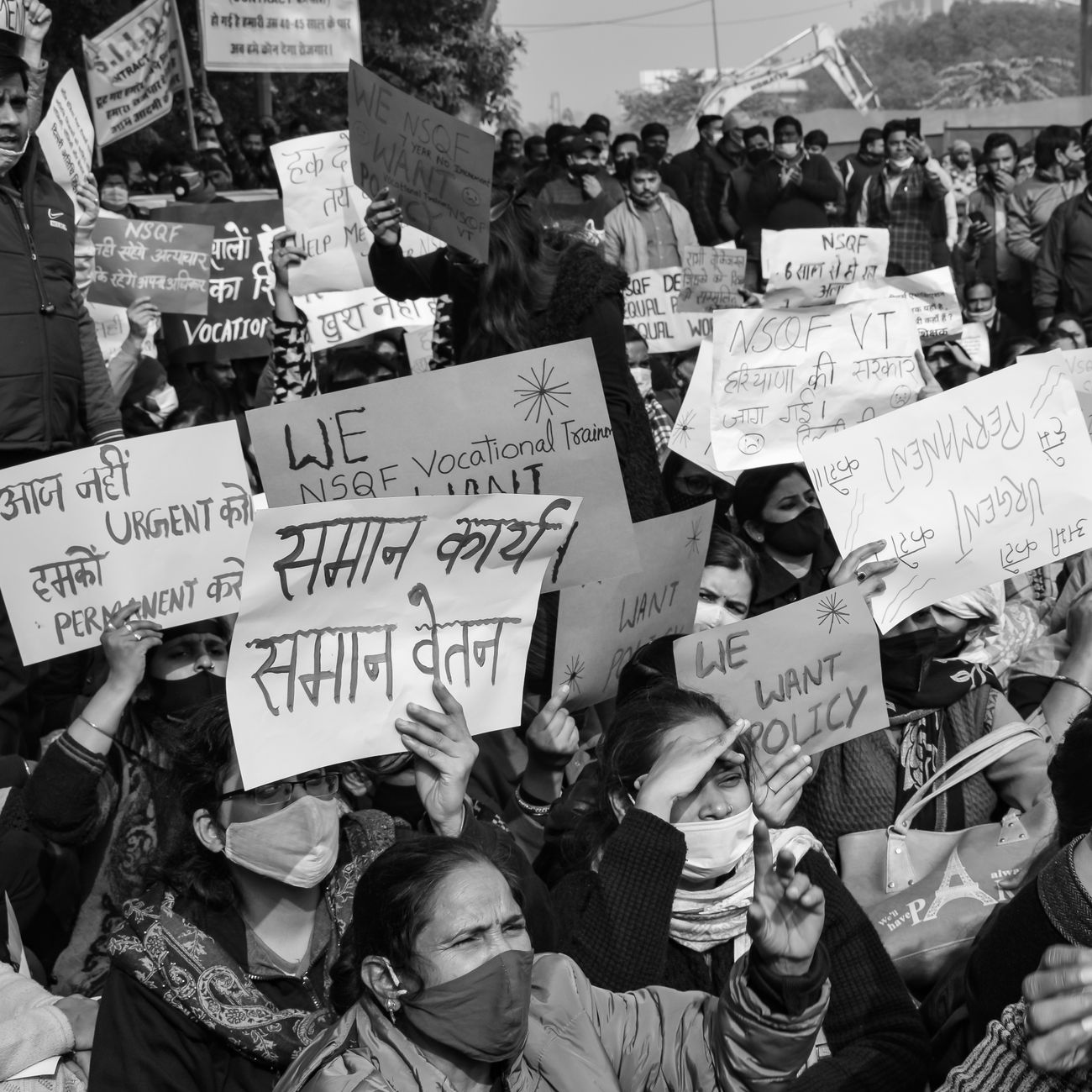
Developing and implementing policies and procedures is a crucial aspect of quality assurance in education and training. A policy is a statement that outlines the goals, principles, and expectations of an organization, while a procedure is a detailed outline of the steps to be taken to achieve a specific goal or objective. In the context of education and training, policies and procedures are essential for ensuring that students receive a high-quality education and that educational institutions operate efficiently and effectively.
The development of policies and procedures involves several key steps, including identifying the need for a policy or procedure, conducting research and gathering information, drafting the policy or procedure, and reviewing and revising it. It is also important to ensure that policies and procedures are communicated effectively to all stakeholders, including students, staff, and the wider community. This can be achieved through a variety of means, such as workshops, training sessions, and written documentation.
One of the key challenges in developing and implementing policies and procedures is ensuring that they are relevant, effective, and up-to-date. This requires ongoing review and revision, as well as a commitment to continuous improvement. It is also important to ensure that policies and procedures are aligned with the overall mission and vision of the organization, and that they support the achievement of its goals and objectives. For example, a policy on assessment and evaluation should be aligned with the organization's overall goal of providing high-quality education and training.
In addition to developing and implementing policies and procedures, it is also important to establish a system for monitoring and evaluating their effectiveness. This can be achieved through a variety of means, such as regular reviews, audits, and evaluations. It is also important to establish a system for reporting and addressing any issues or concerns that may arise in relation to policies and procedures. For example, a procedure for handling complaints and appeals should be established, and should be communicated clearly to all stakeholders.
The implementation of policies and procedures can also have a significant impact on the overall culture and values of an organization. For example, a policy on diversity and inclusion can help to promote a culture of respect and tolerance, while a procedure for reporting and addressing bullying and harassment can help to promote a safe and supportive learning environment. It is therefore important to consider the potential impact of policies and procedures on the overall culture and values of the organization, and to ensure that they are aligned with its overall mission and vision.
In terms of practical applications, policies and procedures can be used in a variety of contexts, such as in the development of curricula and assessment materials, in the management of staff and resources, and in the provision of student support services. For example, a policy on academic integrity can help to promote a culture of honesty and transparency, while a procedure for providing academic support to students can help to ensure that students receive the support they need to succeed.
The development and implementation of policies and procedures can also be influenced by a variety of external factors, such as legislation and regulations, industry standards, and professional standards. For example, a policy on health and safety should be developed in accordance with relevant legislation and regulations, while a procedure for providing training and development opportunities to staff should be developed in accordance with relevant industry and professional standards.
In addition to these external factors, the development and implementation of policies and procedures can also be influenced by a variety of internal factors, such as the organization's mission and vision, its values and culture, and its goals and objectives. For example, a policy on quality assurance should be developed in accordance with the organization's overall mission and vision, while a procedure for evaluating and improving programs and services should be developed in accordance with the organization's overall goals and objectives.
The development and implementation of policies and procedures can also be challenging, particularly in large and complex organizations. For example, it can be difficult to ensure that all stakeholders are aware of and understand the policies and procedures, particularly if they are complex or technical. It can also be challenging to ensure that policies and procedures are consistently applied and enforced, particularly if there are different interpretations or understandings of what they mean.
To overcome these challenges, it is essential to establish a clear and effective system for developing, implementing, and reviewing policies and procedures. This can include establishing a policy committee or working group, which can be responsible for developing and reviewing policies and procedures. It can also include establishing a system for communicating policies and procedures to all stakeholders, such as through workshops, training sessions, and written documentation.
In terms of best practices, there are several key principles that should be followed when developing and implementing policies and procedures. These include ensuring that policies and procedures are clear, concise, and easy to understand, and that they are communicated effectively to all stakeholders. It is also essential to ensure that policies and procedures are regularly reviewed and updated, to ensure that they remain relevant and effective. Additionally, it is important to establish a system for monitoring and evaluating the effectiveness of policies and procedures, and for reporting and addressing any issues or concerns that may arise.
The development and implementation of policies and procedures can also have a significant impact on the overall quality of education and training. For example, a policy on quality assurance can help to promote a culture of quality and excellence, while a procedure for evaluating and improving programs and services can help to ensure that they are of high quality and meet the needs of students and other stakeholders. It is therefore essential to ensure that policies and procedures are aligned with the overall mission and vision of the organization, and that they support the achievement of its goals and objectives.
In terms of examples, there are many different types of policies and procedures that can be developed and implemented in education and training. For example, a policy on student conduct can help to promote a safe and supportive learning environment, while a procedure for providing academic support to students can help to ensure that students receive the support they need to succeed. A policy on staff development can help to promote a culture of continuous learning and improvement, while a procedure for evaluating and improving programs and services can help to ensure that they are of high quality and meet the needs of students and other stakeholders.
The development and implementation of policies and procedures can also be influenced by a variety of theoretical frameworks and models. For example, the total quality management (TQM) framework can be used to develop and implement policies and procedures that promote a culture of quality and excellence. The plan-do-check-act (PDCA) cycle can be used to develop and implement policies and procedures that are regularly reviewed and updated. Additionally, the excellence model can be used to develop and implement policies and procedures that promote a culture of excellence and continuous improvement.
In terms of research, there is a significant body of evidence that supports the importance of developing and implementing policies and procedures in education and training. For example, research has shown that policies and procedures can help to promote a culture of quality and excellence, and that they can help to ensure that programs and services are of high quality and meet the needs of students and other stakeholders. Research has also shown that policies and procedures can help to promote a safe and supportive learning environment, and that they can help to ensure that students receive the support they need to succeed.
The development and implementation of policies and procedures can also be influenced by a variety of technological advances. For example, the use of digital technologies can help to facilitate the development and implementation of policies and procedures, and can help to promote a culture of quality and excellence. The use of data analytics can help to inform the development and implementation of policies and procedures, and can help to ensure that they are regularly reviewed and updated. Additionally, the use of online learning management systems can help to facilitate the development and implementation of policies and procedures, and can help to promote a culture of quality and excellence.
In terms of future directions, there are many different ways in which the development and implementation of policies and procedures can be taken forward in education and training. For example, the use of artificial intelligence and machine learning can help to facilitate the development and implementation of policies and procedures, and can help to promote a culture of quality and excellence. The use of blockchain technology can help to ensure that policies and procedures are secure and transparent, and can help to promote a culture of trust and accountability. Additionally, the use of virtual and augmented reality can help to facilitate the development and implementation of policies and procedures, and can help to promote a culture of innovation and creativity.
The development and implementation of policies and procedures can also have a significant impact on the overall sustainability of education and training. For example, a policy on sustainability can help to promote a culture of environmental awareness and responsibility, while a procedure for reducing waste and emissions can help to ensure that education and training are delivered in a sustainable and responsible manner. It is therefore essential to ensure that policies and procedures are aligned with the overall mission and vision of the organization, and that they support the achievement of its goals and objectives.
In terms of stakeholder engagement, it is essential to ensure that all stakeholders are involved in the development and implementation of policies and procedures. This can include students, staff, parents, and the wider community, and can help to ensure that policies and procedures are relevant, effective, and meet the needs of all stakeholders. It is also essential to establish a system for communicating policies and procedures to all stakeholders, and for reporting and addressing any issues or concerns that may arise.
The development and implementation of policies and procedures can also be influenced by a variety of cultural and linguistic factors. For example, a policy on cultural diversity can help to promote a culture of respect and inclusion, while a procedure for providing language support to students can help to ensure that students receive the support they need to succeed. It is therefore essential to ensure that policies and procedures are sensitive to the needs of all stakeholders, and that they are developed and implemented in a way that is fair, equitable, and transparent.
In terms of capacity building, it is essential to ensure that all stakeholders have the necessary skills and knowledge to develop and implement policies and procedures. This can include providing training and development opportunities, as well as establishing a system for mentoring and coaching. It is also essential to establish a system for evaluating and improving policies and procedures, and for reporting and addressing any issues or concerns that may arise.
The development and implementation of policies and procedures can also have a significant impact on the overall accountability of education and training. For example, a policy on accountability can help to promote a culture of transparency and responsibility, while a procedure for evaluating and improving programs and services can help to ensure that they are of high quality and meet the needs of students and other stakeholders. It is therefore essential to ensure that policies and procedures are aligned with the overall mission and vision of the organization, and that they support the achievement of its goals and objectives.
In terms of challenges, there are many different challenges that can arise when developing and implementing policies and procedures in education and training. For example, it can be challenging to ensure that all stakeholders are aware of and understand the policies and procedures, particularly if they are complex or technical. It can also be challenging to ensure that policies and procedures are consistently applied and enforced, particularly if there are different interpretations or understandings of what they mean.
To overcome these challenges, it is essential to establish a clear and effective system for developing, implementing, and reviewing policies and procedures. This can include establishing a policy committee or working group, which can be responsible for developing and reviewing policies and procedures. It can also include establishing a system for communicating policies and procedures to all stakeholders, such as through workshops, training sessions, and written documentation.
In terms of lessons learned, there are many different lessons that can be learned from the development and implementation of policies and procedures in education and training. For example, it is essential to ensure that policies and procedures are aligned with the overall mission and vision of the organization, and that they support the achievement of its goals and objectives. It is also essential to establish a system for monitoring and evaluating the effectiveness of policies and procedures, and for reporting and addressing any issues or concerns that may arise.
The development and implementation of policies and procedures can also have a significant impact on the overall efficacy of education and training. For example, a policy on quality assurance can help to promote a culture of quality and excellence, while a procedure for evaluating and improving programs and services can help to ensure that they are of high quality and meet the needs of students and other stakeholders. It is therefore essential to ensure that policies and procedures are aligned with the overall mission and vision of the organization, and that they support the achievement of its goals and objectives.
In terms of future research, there are many different areas that could be explored in relation to the development and implementation of policies and procedures in education and training. For example, research could be conducted on the impact of policies and procedures on student outcomes, or on the effectiveness of different approaches to developing and implementing policies and procedures. Research could also be conducted on the role of policies and procedures in promoting a culture of quality and excellence, or on the challenges and opportunities associated with developing and implementing policies and procedures in different contexts.
The development and implementation of policies and procedures can also have a significant impact on the overall reputation of education and training. For example, a policy on quality assurance can help to promote a culture of quality and excellence, while a procedure for evaluating and improving programs and services can help to ensure that they are of high quality and meet the needs of students and other stakeholders. It is therefore essential to ensure that policies and procedures are aligned with the overall mission and vision of the organization, and that they support the achievement of its goals and objectives.
In terms of best practices, there are many different principles and guidelines that can be followed when developing and implementing policies and procedures in education and training. For example, it is essential to ensure that policies and procedures are clear, concise, and easy to understand, and that they are communicated effectively to all stakeholders. It is also essential to establish a system for monitoring and evaluating the effectiveness of policies and procedures, and for reporting and addressing any issues or concerns that may arise.
The development and implementation of policies and procedures can also be influenced by a variety of external factors, such as legislation and regulations, industry standards, and professional standards. For example, a policy on health and safety should be developed in accordance with relevant legislation and regulations, while a procedure for providing training and development opportunities to staff should be developed in accordance with relevant industry and professional standards.
In terms of internal factors, the development and implementation of policies and procedures can also be influenced by a variety of internal factors, such as the organization's mission and vision, its values and culture, and its goals and objectives. For example, a policy on quality assurance should be developed in accordance with the organization's overall mission and vision, while a procedure for evaluating and improving programs and services should be developed in accordance with the organization's overall goals and objectives.
The development and implementation of policies and procedures can also have a significant impact on the overall success of education and training. For example, a policy on quality assurance can help to promote a culture of quality and excellence, while a procedure for evaluating and improving programs and services can help to ensure that they are of high quality and meet the needs of students and other stakeholders. It is therefore essential to ensure that policies and procedures are aligned with the overall mission and vision of the organization, and that they support the achievement of its goals and objectives.
In terms of implications, the development and implementation of policies and procedures can have a significant impact on the overall direction of education and training. For example, a policy on quality assurance can help to promote a culture of quality and excellence, while a procedure for evaluating and improving programs and services can help to ensure that they are of high quality and meet the needs of students and other stakeholders. It is therefore essential to ensure that policies and procedures are aligned with the overall mission and vision of the organization, and that they support the achievement of its goals and objectives.
The development and implementation of policies and procedures can also have a significant impact on the overall effectiveness of education and training. For example, a policy on quality assurance can help to promote a culture of quality and excellence, while a procedure for evaluating and improving programs and services can help to ensure that they are of high quality and meet the needs of students and other stakeholders. It is therefore essential to ensure that policies and procedures are aligned with the overall mission and vision of the organization, and that they support the achievement of its goals and objectives.
Key takeaways
- In the context of education and training, policies and procedures are essential for ensuring that students receive a high-quality education and that educational institutions operate efficiently and effectively.
- It is also important to ensure that policies and procedures are communicated effectively to all stakeholders, including students, staff, and the wider community.
- It is also important to ensure that policies and procedures are aligned with the overall mission and vision of the organization, and that they support the achievement of its goals and objectives.
- In addition to developing and implementing policies and procedures, it is also important to establish a system for monitoring and evaluating their effectiveness.
- It is therefore important to consider the potential impact of policies and procedures on the overall culture and values of the organization, and to ensure that they are aligned with its overall mission and vision.
- It can also be challenging to ensure that policies and procedures are consistently applied and enforced, particularly if there are different interpretations or understandings of what they mean.
- It can also include establishing a system for communicating policies and procedures to all stakeholders, such as through workshops, training sessions, and written documentation.