
Understanding Special Needs Students
Autism Spectrum Disorder (ASD) refers to a range of neurodevelopmental conditions characterised by differences in social communication, interaction and the presence of repetitive behaviours or restricted interests. In an art classroom, stud…
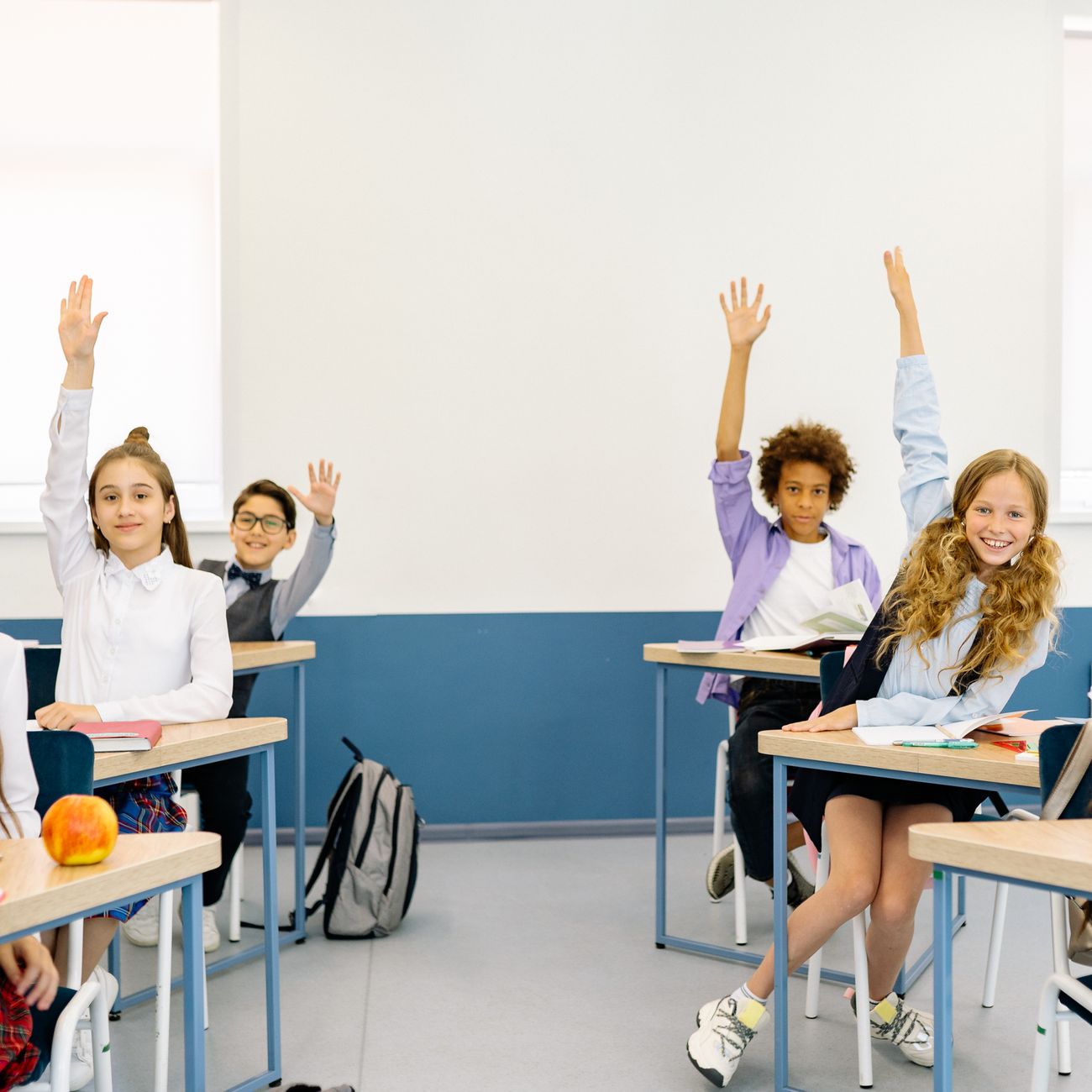
Autism Spectrum Disorder (ASD) refers to a range of neurodevelopmental conditions characterised by differences in social communication, interaction and the presence of repetitive behaviours or restricted interests. In an art classroom, students with ASD may display heightened visual perception, a preference for routine and a need for clear, predictable structures. For example, a learner might excel in creating detailed patterns but become distressed if the schedule changes unexpectedly. Teachers can support these learners by providing visual timetables, offering choices within a structured framework and using consistent language. A common challenge is balancing the need for routine with the desire to encourage creative risk‑taking; careful scaffolding and gradual introduction of new materials can mitigate anxiety while fostering artistic growth.
Dyslexia is a specific learning difficulty that primarily affects decoding of written language, spelling and rapid word recognition. While dyslexia is often associated with reading, it also influences visual‑spatial processing. In art, dyslexic students may demonstrate strong spatial awareness and an ability to think in three dimensions, yet they might struggle with written instructions or labeling their work. Practical application includes offering oral instructions, using pictorial cue cards and allowing the use of assistive technology such as speech‑to‑text software when completing reflective journals. A challenge for educators is ensuring that assessment criteria do not rely excessively on written description, which could disadvantage dyslexic learners despite their artistic competence.
Dyspraxia (developmental coordination disorder) impacts fine and gross motor planning, making tasks that require precise hand movements difficult. In a studio setting, dyspraxic students may find cutting, mixing paints or handling tools challenging. Teachers can adapt by providing adapted tools such as thick‑handled scissors, larger brushes or pre‑cut shapes. Demonstrating techniques step‑by‑step and allowing extra time for practice supports skill acquisition. An ongoing challenge is maintaining the learner’s confidence; frequent positive reinforcement and highlighting creative ideas rather than technical execution helps preserve motivation.
Attention‑Deficit/Hyperactivity Disorder (ADHD) is characterised by persistent patterns of inattention, hyperactivity and impulsivity that interfere with functioning. In art lessons, students with ADHD may thrive on the kinetic energy of hands‑on activity but struggle with sustained focus during longer projects. Strategies such as breaking tasks into short, manageable phases, incorporating movement breaks and using clear, concise instructions can improve engagement. For instance, a teacher might structure a painting session into three ten‑minute segments: Sketching, colour application and finishing touches, each followed by a brief stretch. The main challenge is preventing off‑task behaviour without stifling the creative spontaneity that often fuels innovative art making.
Sensory Processing Disorder (SPD) involves atypical responses to sensory input, leading to either over‑responsiveness (hypersensitivity) or under‑responsiveness (hyposensitivity). An art classroom can be a sensory‑rich environment, with bright colours, varied textures, smells of paint and background music. A student with hypersensitivity may find loud music overwhelming, while a hyposensitive learner might seek strong tactile feedback. Teachers can create sensory‑friendly zones, offer noise‑reducing headphones, provide a range of material textures and allow the option to work in quieter corners. A challenge lies in balancing the sensory needs of diverse learners while preserving the dynamic atmosphere that encourages artistic exploration.
Inclusion is the educational philosophy that all learners, regardless of ability or background, should participate fully in mainstream settings with appropriate supports. In the context of teaching art to special needs students, inclusion means designing lessons that are accessible, providing differentiated pathways and fostering a classroom culture that values diversity. Practical inclusion strategies include collaborative projects where peers with different strengths contribute, such as pairing a student with strong visual imagination with another who excels in fine motor execution. The challenge is ensuring that inclusion does not become tokenism; genuine inclusion requires ongoing reflection on whether all voices are heard and respected.
Differentiation refers to the purposeful adaptation of content, process, product and learning environment to meet varied learner needs. In an art lesson, differentiation might involve offering multiple media (watercolour, collage, digital tools) for the same conceptual theme, allowing students to choose the medium that aligns with their strengths. Process differentiation could entail providing a step‑by‑step guide for some learners while others work from a broader brief encouraging independent problem‑solving. Product differentiation means assessing both a detailed, technically polished piece and a conceptually rich, experimental work as equally valid outcomes. Challenges include maintaining high expectations while providing sufficient support, and ensuring that differentiation does not inadvertently segregate students into ability groups.
Individualised Education Plan (IEP) is a legally binding document in the UK that outlines personalised goals, required accommodations and the support framework for a learner with additional needs. In an art context, an IEP might specify objectives such as “develop fine motor coordination through mixed‑media collage” or “enhance expressive language through visual storytelling.” Teachers must refer to the IEP when planning lessons, ensuring that required accommodations—such as extended time, adapted tools or assistive technology—are embedded in the activity design. A common challenge is the dynamic nature of artistic learning; goals may evolve as a student’s confidence grows, requiring regular review and flexible adjustment of the IEP targets.
Universal Design for Learning (UDL) is an instructional framework that promotes multiple means of representation, expression and engagement, thereby reducing barriers for all learners. Applying UDL in art education involves presenting concepts through visual demonstrations, verbal explanations and tactile models; allowing students to demonstrate understanding via drawing, sculpture, digital animation or oral narration; and offering varied motivational pathways, such as personal choice, collaborative critique or reflective journaling. For instance, when introducing colour theory, a teacher might use a colour wheel poster, a live demonstration with pigments, and a tactile colour‑mixing station with manipulatives. The challenge is designing lessons that genuinely incorporate all three principles without overwhelming planning time; collaboration with support staff and using existing UDL resources can alleviate this burden.
Accommodation describes changes to the learning environment or instructional methods that enable a student to access the curriculum without altering the learning intent. Examples in art include providing a wheelchair‑accessible studio, allowing extra time for drying periods, or offering a quiet space for sensory regulation. Accommodations are often documented in the learner’s support plan and should be implemented consistently. A difficulty arises when accommodations are perceived as “special treatment”; transparent communication with the whole class about the importance of diverse learning needs helps normalise these adjustments.
Modification involves altering the curriculum content, expectations or outcomes to align with a learner’s abilities. In an art setting, modification might mean simplifying a complex project brief, reducing the number of required pieces, or focusing on foundational skills rather than advanced techniques. For example, a student with significant cognitive delays may work on colour identification and basic mark‑making rather than completing a full portrait. The challenge is ensuring that modifications still promote artistic growth and self‑esteem, rather than limiting the learner’s exposure to the richness of the art experience.
Scaffolding is the temporary support provided to learners to bridge the gap between current ability and desired performance. In practice, scaffolding in an art lesson could involve modelling a painting technique, providing a partially completed template, or using guided questioning to prompt creative thinking. Over time, the support is gradually withdrawn as the learner gains confidence. A typical challenge is determining the appropriate level of scaffolding; too much can impede independence, while too little may lead to frustration. Continuous observation and feedback help calibrate the scaffolding intensity.
Strengths‑Based Approach emphasises recognising and building on a learner’s existing abilities, interests and talents rather than focusing solely on deficits. Many special needs students possess unique artistic strengths, such as vivid imagination, pattern recognition or tactile sensitivity. Teachers can harness these strengths by offering projects that align with personal interests—for instance, a student fascinated by trains could create a series of mixed‑media collages depicting railway scenes. This approach promotes motivation, self‑efficacy and a positive self‑concept. The challenge lies in avoiding pigeonholing; educators must balance leveraging strengths with encouraging exploration of new artistic domains.
Assistive Technology encompasses devices or software that support learning and participation. In art education, assistive tools may include voice‑controlled drawing applications, digital tablets with stylus assistance, screen‑reading software for reading project briefs, or adaptive switch devices that enable a student with limited hand function to activate digital brushes. Practical implementation requires ensuring accessibility of hardware, providing training for both learner and staff, and integrating the technology seamlessly into the creative process. A challenge is the rapid evolution of technology; staying current and selecting appropriate tools that truly enhance artistic expression rather than distract requires ongoing professional development.
Multi‑Sensory Approach integrates visual, auditory, tactile and kinesthetic elements to reinforce learning. When teaching texture in sculpture, a teacher might demonstrate by handling clay, describing the sensory qualities, playing a short video of a sculptor at work, and encouraging students to create a tactile sample. This approach benefits learners with varied sensory preferences, particularly those with SPD or dyslexia, by providing multiple entry points for understanding. The challenge is coordinating sensory inputs so that they complement rather than overload the learner; careful pacing and observation are essential.
Behaviour Management in the art classroom involves strategies to promote positive conduct, reduce disruptions and create a safe, supportive environment. Techniques include clear expectations, visual rules, positive reinforcement, and consistent routines. For students with challenging behaviours linked to emotional regulation, such as those with ASD or ADHD, incorporating calming corners, offering choice boards and using predictable transitions can reduce anxiety‑driven outbursts. An example is a “quiet zone” equipped with soft lighting and sensory‑friendly materials where a student can self‑regulate before re‑joining the group activity. The difficulty often lies in balancing firm boundaries with the flexibility required for individual needs; collaboration with behaviour specialists and consistent documentation of strategies are helpful.
Collaborative Learning encourages students to work together towards shared artistic goals, fostering peer support, communication and social skill development. In inclusive settings, pairing a student with strong verbal articulation with another who excels in visual detail can lead to mutually beneficial outcomes. For instance, a duo might design a mural where one contributor sketches the layout while the other adds colour and texture. Collaborative learning also models real‑world artistic practices, where teamwork is common. Potential challenges include ensuring equitable participation, preventing dominance by more able peers, and providing clear roles that respect each learner’s contributions.
Reflective Practice involves learners thinking critically about their creative process, decisions and outcomes. For special needs students, reflective practice can be facilitated through visual journals, audio recordings or guided questioning. A student may photograph their artwork, then discuss with the teacher what techniques were successful and what could be explored next. This practice supports metacognition, self‑assessment and personal growth. The challenge is adapting reflection methods to suit communication preferences; some learners may find written reflection daunting, so alternative formats such as drawing a “thought map” or using simple emoticon scales can be effective.
Portfolio Development is the systematic collection of a learner’s artistic work over time, showcasing progress, creativity and skill development. For special needs students, a portfolio can serve as evidence of achievement for parents, assessors and future educational or employment opportunities. Teachers can guide portfolio building by selecting representative works, annotating with descriptive captions and highlighting strengths. Digital portfolios offer accessibility benefits, allowing audio descriptions or video walkthroughs. A difficulty may arise in ensuring the portfolio reflects a balanced view of the learner’s abilities, not just their most polished pieces; incorporating process photographs and drafts can illustrate growth trajectories.
Transition Planning addresses the preparation for changes in educational settings, such as moving from primary to secondary school or from school to further education. In art, transition planning includes identifying continuity of support, ensuring access to appropriate studio spaces, and maintaining relationships with art specialists. For example, a student with dyspraxia might require a hand‑over‑hand approach during the first weeks of a new art class, gradually shifting to independent work as confidence builds. The challenge is coordinating across multiple agencies and ensuring that the student’s artistic identity is preserved throughout the transition.
Inclusive Assessment refers to evaluating learning in ways that recognise diverse abilities and provide equitable opportunities for success. In art, inclusive assessment may involve flexible criteria, such as assessing creativity, effort and personal expression alongside technical skill. Teachers might use rubrics that include descriptors like “demonstrates willingness to experiment” or “uses colour purposefully,” allowing students with varying motor abilities to achieve high marks based on their strengths. A persistent challenge is aligning inclusive assessment with external standards that may have rigid expectations; transparent communication with exam boards and advocacy for reasonable adjustments are essential.
Positive Behaviour Support (PBS) is a proactive, evidence‑based framework that aims to prevent challenging behaviour by teaching and reinforcing desirable skills. In an art context, PBS might involve establishing a “creative conduct” chart that outlines expected behaviours (e.G., Sharing materials, respecting others’ work) and rewarding compliance with praise or tokens. For a student who frequently disrupts due to sensory overload, PBS could incorporate scheduled sensory breaks as part of the routine, reducing the likelihood of meltdowns. The difficulty lies in ensuring that the support plan is individualized, as generic reward systems may not motivate all learners.
Emotional Regulation is the ability to manage and respond to emotional experiences in adaptive ways. Art can serve as a therapeutic medium for developing regulation skills; activities such as colour‑based mood mapping or expressive painting allow students to externalise feelings. Teachers can embed regulation strategies by modelling calm breathing before starting a messy technique or by providing a “quiet reflection” sheet where learners note emotions before and after a project. Challenges include recognizing when a student’s emotional state is impacting safety (e.G., Handling sharp tools while upset) and intervening appropriately while respecting autonomy.
Professional Collaboration involves teachers, special educational needs coordinators (SENCOs), therapists, and families working together to support the learner. In art education, this collaboration may manifest as joint planning sessions where a speech therapist suggests visual vocabulary to embed in a drawing activity, or a parent shares the student’s favourite themes to inspire project ideas. Effective collaboration requires clear communication channels, shared documentation (such as digital planning notes) and mutual respect for expertise. A common obstacle is scheduling; aligning the availability of multiple professionals demands flexibility and proactive planning.
Peer Mediation is a structured approach where trained students help resolve conflicts and promote inclusive social interactions. Within an art studio, peer mediators can assist a student who feels excluded during group projects, encouraging shared decision‑making and equitable contribution. For instance, during a collaborative mural, a mediator might facilitate a brainstorming session where each participant voices ideas, ensuring that quieter learners are heard. Challenges include ensuring mediators are adequately trained to handle sensitive situations and that mediation does not place undue responsibility on peers.
Visual Supports are graphic tools such as schedules, cue cards, colour‑coded instructions and step‑by‑step diagrams that aid comprehension. In a lesson on printmaking, a teacher might display a flowchart illustrating each stage: Ink preparation, plate carving, rolling, pressing, drying. Visual supports benefit learners with ASD, dyslexia and language difficulties by reducing reliance on verbal instructions. The difficulty is creating supports that are clear yet not overly simplistic; they should enhance understanding without limiting creativity.
Choice Architecture refers to the design of options that influence decision‑making. In art education, offering limited, purposeful choices can empower special needs students while preventing overwhelm. For example, a teacher may present three colour palettes rather than an unrestricted set, guiding the learner toward cohesive outcomes while preserving autonomy. The challenge is finding the balance between providing sufficient freedom for artistic expression and maintaining manageable decision‑making loads.
Goal Setting is the process of defining specific, measurable objectives for learning. Within an art programme, goals might be “increase use of mixed media in three successive projects” or “improve ability to follow multi‑step instructions for sculpture.” Goals should be co‑constructed with the learner, ensuring relevance and ownership. SMART criteria (Specific, Measurable, Achievable, Relevant, Time‑bound) are useful. A difficulty can arise when goals are set too high, leading to frustration, or too low, limiting growth; ongoing monitoring and adjustment are key.
Responsive Teaching involves adapting instruction in real time based on learner feedback and observation. In the studio, a teacher may notice a student with dyspraxia struggling with brush control; the teacher can promptly offer a larger brush or a stabilising grip. Responsive teaching requires acute observation, flexibility and a repertoire of strategies. The challenge is maintaining lesson flow while making individualized adjustments; having prepared “toolkits” of adaptations can streamline the process.
Creative Confidence is the belief in one’s ability to generate and develop ideas. Many special needs learners experience reduced confidence due to past academic challenges. Building creative confidence can involve celebrating small successes, providing low‑stakes experimentation time, and modelling a growth mindset. For instance, a teacher might display a series of “process photos” showing a piece evolving from simple shapes to a complex composition, emphasizing learning over perfection. Overcoming the challenge of entrenched self‑doubt may require sustained encouragement and visible evidence of progress.
Assistive Communication tools support learners who have speech or language difficulties. In art, these may include picture exchange systems, gesture boards or speech‑generating devices that enable a student to articulate ideas about colour choices or thematic concepts. Incorporating these tools into critique sessions ensures all voices are heard. The challenge is integrating communication devices without disrupting the creative flow; rehearsing quick-access methods and allowing extra time for expression can help.
Inclusive Language promotes respect and acknowledges diversity. In an art setting, teachers should use terms that focus on ability rather than deficit, such as “students who benefit from additional visual prompts” instead of “students with visual impairments.” Inclusive language also extends to describing artwork, avoiding labels that diminish the creator’s agency (e.G., “A piece made by a learner with autism” versus “a piece exploring texture”). Consistently using inclusive language fosters a sense of belonging but requires ongoing awareness and training.
Risk‑Taking in art encourages experimentation, embracing mistakes as part of the learning process. Special needs students may be hesitant to take risks due to fear of failure or previous negative experiences. Teachers can scaffold risk‑taking by establishing a “no‑judgement” culture, using “what if” prompts, and celebrating unexpected outcomes. For example, a student might be invited to mix unconventional colour combinations; the teacher frames any result as a learning opportunity. The challenge lies in ensuring that risk‑taking does not become overwhelming, especially for learners with anxiety; gradual escalation and clear safety guidelines are essential.
Curriculum Mapping aligns learning objectives, activities and assessments across a programme. For art teachers working with special needs students, curriculum mapping should incorporate the principles of UDL, differentiation and accommodation. Mapping helps identify where additional support is needed, such as a unit on perspective that may require extra visual aids for learners with dyslexia. A difficulty may be the complexity of aligning diverse needs with standard curriculum milestones; collaborative planning with SENCOs can streamline this process.
Professional Development is the ongoing acquisition of knowledge and skills. In the context of teaching art to special needs students, professional development may cover topics such as sensory‑friendly studio design, adaptive tool use, or legal frameworks governing inclusive education. Engaging in workshops, peer observation and reflective journals strengthens competence. A barrier is the limited time allocated for training within busy school schedules; integrating development activities into existing meetings or using online modules can mitigate this constraint.
Legal Framework in the United Kingdom includes legislation such as the Children and Families Act 2014, the Equality Act 2010 and the Special Educational Needs and Disability (SEND) Code of Practice. These statutes outline the rights of learners with special needs to receive appropriate support and reasonable adjustments. Teachers must be familiar with these obligations to ensure compliance and to advocate for necessary resources. Challenges can arise when policy interpretation varies across local authorities, requiring educators to stay informed and to collaborate with legal advisors when necessary.
Reasonable Adjustment is a modification or accommodation that removes barriers for a learner with a disability, ensuring they are not placed at a substantial disadvantage. In an art classroom, reasonable adjustments might include providing a larger work surface for a student who uses a wheelchair, allowing additional drying time for acrylics, or offering a digital drawing alternative for a learner who cannot handle wet media. The process of identifying reasonable adjustments involves consultation with the learner, parents and support staff, and must be documented. A common difficulty is balancing adjustments with the need to maintain artistic standards; clear communication about expectations helps align support with learning goals.
Behavioural Intervention Plan (BIP) is a structured plan that outlines strategies to address challenging behaviours, based on functional behaviour assessment (FBA). In art, a BIP may specify triggers (e.G., Noisy environments), proactive strategies (e.G., Pre‑lesson calming routine), teaching of alternative behaviours (e.G., Using a “signal card” to request a break) and reinforcement mechanisms. Implementing a BIP requires consistency across staff and fidelity monitoring. The challenge is ensuring that the plan remains flexible enough to adapt to changing circumstances while retaining core strategies.
Functional Skills refer to everyday abilities that enable independent living, such as planning, time management and self‑advocacy. Art projects can embed functional skill development; for instance, a lesson on creating a personal collage may involve budgeting for materials, scheduling work sessions, and presenting the final piece. Embedding functional skills within artistic tasks promotes transferability to real‑world contexts. The difficulty lies in explicitly linking art outcomes to functional competencies without reducing the intrinsic value of creative expression.
Multi‑Agency Collaboration involves coordination between education, health, social care and community organisations. For special needs students, art programmes may partner with local museums, therapeutic art practitioners and charities to broaden opportunities. A collaborative project could see a student with sensory processing challenges attending a tactile exhibition, then creating a related artwork in school. Benefits include enriched experiences and shared expertise, while challenges often involve differing priorities, data‑sharing protocols and logistical complexities.
Self‑Advocacy is the capacity to express one’s own needs and preferences. In an art class, fostering self‑advocacy might involve encouraging learners to request specific tools, to articulate how they prefer instructions delivered, or to negotiate deadlines. Teachers can model self‑advocacy by openly discussing accommodations and inviting students to contribute to planning. A barrier is that some learners may lack confidence to voice needs; scaffolding through role‑play and guided scripts can build competence.
Transition Boards are visual tools that outline upcoming changes in routine or environment. When moving from a general classroom to a specialised art studio, a transition board might display images of the new space, the schedule, and the materials to be used. This visual preview reduces anxiety for learners with ASD or anxiety disorders. The challenge is ensuring the board is updated and accurately reflects the experience; involving the learner in its creation enhances relevance.
Peer Modelling leverages the influence of classmates to demonstrate desired behaviours or techniques. In art, a peer who excels at using charcoal might demonstrate shading methods, providing a relatable example for a learner who struggles with fine motor control. Peer modelling can be especially effective for students who respond positively to social cues. Potential challenges include ensuring the peer model is comfortable with the role and that the demonstration does not unintentionally highlight deficits.
Reflective Journaling encourages learners to document thoughts, feelings and processes associated with their artwork. For students with limited writing abilities, journals can be created using voice recordings, sketch notes or digital apps that allow drawing alongside audio commentary. Reflective journaling supports metacognition and can be incorporated into assessment portfolios. A difficulty may be ensuring privacy and emotional safety; teachers should establish clear guidelines for sharing and provide supportive feedback.
Artistic Identity is the sense of self that a learner develops through creative expression. Special needs students often benefit from opportunities that affirm their artistic identity, such as showcasing work in school exhibitions, celebrating cultural heritage through art, or exploring personal narratives. Supporting artistic identity involves recognizing each learner’s unique voice and providing platforms for authentic expression. The challenge is avoiding tokenism; sustained encouragement and integration of personal themes across curricula reinforce a genuine sense of identity.
Community Engagement connects learners with broader audiences, fostering social inclusion and real‑world relevance. Projects might involve mural painting for a local charity, collaborative installations in public spaces, or digital art contributions to community websites. For special needs students, community engagement can enhance confidence, provide meaningful purpose and develop communication skills. Coordination with external partners, risk assessments and transport logistics constitute common challenges that require thorough planning.
Resource Allocation refers to the distribution of materials, time, personnel and funding. Effective resource allocation ensures that special needs learners have access to the tools and support required for artistic participation. Teachers must advocate for equitable budgeting, negotiate shared studio time and seek external grants for adaptive equipment. A persistent obstacle is limited funding; prioritising essential adaptations and demonstrating impact through data can strengthen future resource requests.
Data‑Driven Decision Making involves analysing evidence from observations, assessments and student feedback to inform instructional choices. In art, data may include tracking progress on fine motor tasks, recording frequency of successful use of visual supports, or noting changes in emotional regulation during creative activities. Analyzing this data helps identify successful strategies and areas needing refinement. Challenges include collecting consistent, reliable data in a creative environment where outcomes are often subjective; using standardized rubrics alongside anecdotal notes can balance qualitative and quantitative insights.
Professional Boundaries define the appropriate relationship between educators and learners. While building rapport is essential, maintaining clear boundaries protects both parties and upholds ethical standards. In art tutoring, this includes respecting personal space when assisting with hands‑on techniques, obtaining consent before photographing artwork, and adhering to safeguarding policies. A challenge is navigating supportive intimacy, particularly when learners seek emotional reassurance; clear communication about the role of the teacher and referral to appropriate support services maintains professional integrity.
Safeguarding encompasses policies and practices that protect learners from harm. In the art studio, safeguarding considerations include safe storage of sharp tools, monitoring use of potentially hazardous materials (e.G., Solvents), and ensuring that any collaborative work respects privacy and consent. Teachers must be vigilant for signs of abuse, neglect or self‑harm, and follow school protocols for reporting concerns. The challenge is integrating safeguarding seamlessly into creative activities without creating a restrictive atmosphere; regular safety briefings and visible guidelines help embed a culture of care.
Peer Support Networks are groups of students who provide mutual assistance, encouragement and friendship. In an inclusive art class, establishing a peer support network can involve assigning “art buddies” who check in with each other, share resources, and collaborate on projects. This network promotes social inclusion for learners who might otherwise feel isolated. Potential difficulties include ensuring that support responsibilities do not become burdensome for the designated peers; rotating roles and providing teacher oversight mitigate overload.
Learning Styles is a contested concept suggesting that individuals prefer specific modes of information processing (visual, auditory, kinesthetic). While the evidence for distinct learning styles is limited, acknowledging varied sensory preferences can enrich lesson design. For special needs students, offering multi‑modal resources—such as visual diagrams, spoken explanations and tactile models—can accommodate diverse preferences. The challenge is avoiding rigid categorisation; instead, teachers should provide a range of entry points and observe which approaches resonate with each learner.
Co‑Teaching involves two teachers delivering instruction together, often pairing a generalist with a special education specialist. In the art studio, co‑teaching enables simultaneous delivery of content and targeted support. For example, while the lead teacher demonstrates a technique, the co‑teacher circulates to provide individualized assistance to learners who need additional guidance. Effective co‑teaching requires clear role definition, collaborative planning and reflective dialogue. Challenges may arise from differing pedagogical philosophies; regular communication and shared goals help align practices.
Learning Outcomes are statements describing what a learner should know, understand or be able to do after instruction. In art, outcomes may encompass both technical skills (e.G., “Apply colour theory to create harmonious compositions”) and personal development (e.G., “Express emotions through visual symbolism”). For special needs learners, outcomes should be realistic yet aspirational, incorporating accommodations and modifications as needed. A difficulty is ensuring that outcomes remain measurable while respecting the individuality of artistic expression; using a combination of observable behaviours and reflective indicators can address this balance.
Assessment for Learning (AfL) is an ongoing process that uses assessment data to inform teaching and support learner progress. In the art context, AfL might include teacher questioning during a drawing session, peer critique circles, and quick sketch checks to gauge understanding of perspective. For special needs students, AfL provides immediate feedback and opportunities to adjust strategies, such as offering additional modelling or altering task complexity. The challenge is integrating AfL seamlessly without disrupting creative flow; concise, targeted checks that align with artistic processes are most effective.
Formative Feedback is information that helps learners improve while the learning task is still in progress. In art, formative feedback can be verbal (“Your use of line suggests movement, consider adding varying thickness for contrast”) or visual (annotated sketches). For learners with communication difficulties, feedback may be delivered through gestures, icons or simplified language. Effective feedback is specific, actionable and balanced, highlighting strengths and areas for growth. A common obstacle is delivering feedback that maintains confidence; employing a “feedback sandwich” approach—positive comment, constructive suggestion, reaffirmation—often mitigates negative impact.
Summative Assessment evaluates learner achievement at the end of a unit. In art, summative assessment may involve a final portfolio, exhibition, or performance task. For special needs students, summative assessment should consider accommodations and the learner’s individual goals, ensuring fairness. Rubrics that include criteria for creativity, effort and personal expression, alongside technical skill, provide a holistic picture. The challenge is aligning summative outcomes with the varied pathways learners have taken; flexible assessment designs that allow alternative evidence of learning are essential.
Portfolio Review is a structured discussion of a learner’s body of work, focusing on progress, strengths and future directions. Conducting a portfolio review with special needs students can boost self‑esteem and provide valuable insight for teachers and families. The review may involve the learner presenting selected pieces, reflecting on challenges overcome, and setting new artistic goals. A difficulty can be the learner’s anxiety about evaluation; creating a supportive, non‑judgmental atmosphere and emphasizing growth rather than comparison eases tension.
Learning Contracts are agreements between teacher and learner outlining responsibilities, targets and timelines. In art education, a learning contract might specify that a student will complete a weekly sketch, attend a weekly studio session, and use a specific adaptive tool. Contracts promote accountability and clarity, especially for learners who benefit from structured expectations. The challenge lies in ensuring contracts are realistic and flexible enough to accommodate unforeseen needs; periodic review and joint revision maintain relevance.
Behavioural Cueing uses prompts or signals to guide appropriate actions. In the studio, a teacher might use a hand signal to indicate when it is time to clean brushes, or a visual cue card to remind a student to step back and evaluate composition. Cueing supports learners with executive function challenges by providing external reminders. A difficulty is over‑reliance on cues, which may impede development of internal regulation; gradually fading cues as competence increases fosters independence.
Executive Function encompasses planning, organising, task initiation, self‑monitoring and flexible thinking. Many special needs learners experience executive function deficits that affect art project management. Teachers can support executive function by providing clear step‑by‑step checklists, visual timelines and opportunities for reflection. For example, a checklist for a collage project might include: Gather materials, sketch layout, glue pieces, review, and final touches. The challenge is ensuring that supports do not become crutches; encouraging learners to internalise planning strategies promotes long‑term skill development.
Multimodal Instruction integrates multiple sensory channels—visual, auditory, tactile—to enhance learning. In art, a multimodal lesson on texture may include a video demonstration, hands‑on exploration of different surfaces, descriptive language about texture qualities, and a reflective discussion. This approach aligns with the principles of UDL and benefits learners with diverse processing preferences. Challenges include coordinating multiple modalities without creating cognitive overload; pacing and clear transitions help maintain focus.
Collaborative Planning involves teachers working together to design lessons that meet varied learner needs. In an art department, collaborative planning might bring together a mainstream art teacher, a SENCO, and a therapist to co‑create a unit on three‑dimensional sculpture that incorporates sensory considerations, adaptive tools and differentiated assessment. The benefits include shared expertise and consistent implementation. Time constraints and differing priorities can impede collaboration; establishing regular, concise planning meetings and clear agendas mitigates these issues.
Learning Environment encompasses the physical, social and emotional aspects of the classroom. An inclusive art studio should be physically accessible, equipped with adjustable workstations, well‑lit, and organised to minimise clutter that could distract learners with attention difficulties. Socially, the environment should promote respect, collaboration and encouragement. Emotionally, it should feel safe for risk‑taking and expression. Challenges include balancing the dynamic, messy nature of art with the need for order; designated clean‑up routines and clearly marked zones help maintain a functional environment.
Professional Boundaries (re‑mentioned for emphasis) dictate the limits of teacher‑student interactions. In art, boundaries are especially pertinent when providing hands‑on assistance; teachers must obtain consent before touching a learner’s work or offering physical guidance. Maintaining clear boundaries protects the integrity of the learning relationship and aligns with safeguarding policies. A challenge is navigating cultural differences where touch may be interpreted differently; open dialogue with families and learners clarifies expectations.
Self‑Regulation Strategies are techniques learners use to manage emotions, attention and behaviour. In the art studio, teachers can embed self‑regulation by teaching breathing exercises before starting a messy medium, offering a “calm corner” for sensory breaks, and encouraging learners to set personal goals for each session. For students with anxiety, a simple visual “stop‑think‑act” cue can prompt reflective pauses. The difficulty is ensuring strategies are internalised rather than externally imposed; modeling self‑regulation and providing opportunities for practice foster autonomy.
Peer Feedback involves learners offering constructive comments to one another. Structured peer feedback in art can develop communication skills, critical thinking and collaborative problem‑solving. Teachers can provide templates or sentence starters (e.G., “I notice you used… which creates…”) to scaffold feedback for learners with language difficulties. A challenge is maintaining a supportive tone and preventing negative criticism; establishing clear guidelines and emphasizing respectful language mitigates potential harm.
Adaptive Technology (re‑emphasised) includes specialized equipment that modifies or enhances interaction with artistic media. Examples are switch‑activated paint dispensers for students with limited hand strength, voice‑controlled design software for learners with motor impairments, and textured brushes that provide tactile feedback. Incorporating adaptive technology requires assessment of individual needs, training for staff, and ongoing maintenance. Funding constraints and technology compatibility with existing curricula can pose obstacles; seeking grant opportunities and piloting small‑scale implementations can demonstrate efficacy.
Learning Progression describes the sequential development of skills and understanding over time. In art, a learning progression might move from basic mark‑making, to controlled line work, to complex composition, and finally to thematic exploration. Mapping this progression for special needs learners involves identifying milestones that account for individualized pacing. Teachers can use progress tracking sheets to record achievement of each stage, providing visual evidence of growth for students, families and stakeholders. Challenges include ensuring that progression pathways remain flexible and responsive to each learner’s unique trajectory.
Collaborative Projects engage multiple learners in creating a shared artwork. For special needs students, collaborative projects can foster social interaction, teamwork and shared responsibility. An example is a class mural where each student contributes a panel reflecting personal interests, later assembled into a cohesive piece. Successful collaboration requires clear role allocation, conflict resolution strategies and equitable contribution. Potential challenges include differing skill levels leading to imbalance; using scaffolding and rotating responsibilities ensures all participants experience meaningful involvement.
Mentoring connects learners with experienced artists or senior students who provide guidance, encouragement and professional insight. For special needs learners, mentorship can boost confidence, expose them to new techniques and broaden career horizons. Mentors may offer virtual studio visits, critique sessions or joint creation opportunities.
Key takeaways
- Autism Spectrum Disorder (ASD) refers to a range of neurodevelopmental conditions characterised by differences in social communication, interaction and the presence of repetitive behaviours or restricted interests.
- Practical application includes offering oral instructions, using pictorial cue cards and allowing the use of assistive technology such as speech‑to‑text software when completing reflective journals.
- An ongoing challenge is maintaining the learner’s confidence; frequent positive reinforcement and highlighting creative ideas rather than technical execution helps preserve motivation.
- For instance, a teacher might structure a painting session into three ten‑minute segments: Sketching, colour application and finishing touches, each followed by a brief stretch.
- Sensory Processing Disorder (SPD) involves atypical responses to sensory input, leading to either over‑responsiveness (hypersensitivity) or under‑responsiveness (hyposensitivity).
- Practical inclusion strategies include collaborative projects where peers with different strengths contribute, such as pairing a student with strong visual imagination with another who excels in fine motor execution.
- In an art lesson, differentiation might involve offering multiple media (watercolour, collage, digital tools) for the same conceptual theme, allowing students to choose the medium that aligns with their strengths.