
Microgrid Systems And Applications
Microgrid systems are localized energy systems that combine renewable energy sources, such as solar and wind power, with energy storage and control systems to provide reliable and efficient energy to a specific area or community . The main …
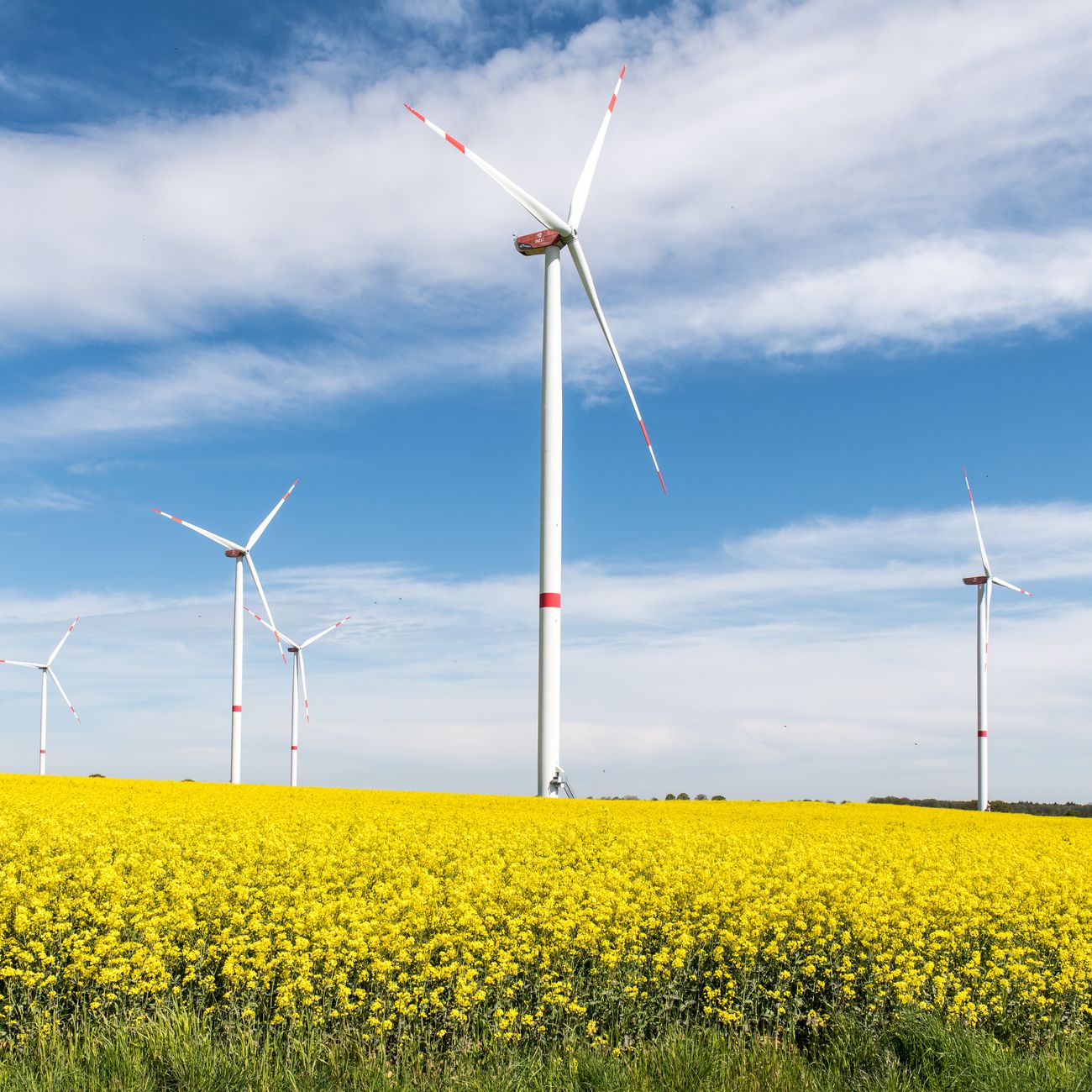
Microgrid systems are localized energy systems that combine renewable energy sources, such as solar and wind power, with energy storage and control systems to provide reliable and efficient energy to a specific area or community. The main components of a microgrid system include distributed energy resources, power electronics, energy storage systems, and control and communication systems. These components work together to manage the flow of energy within the microgrid and ensure a stable and reliable supply of electricity to the load.
One of the key benefits of microgrid systems is their ability to island from the main grid during outages or disturbances, providing a reliable source of energy to critical loads such as hospitals and emergency services. Microgrids can also provide peak shaving and load shifting capabilities, reducing the strain on the main grid during peak hours and providing a more efficient use of energy resources. Additionally, microgrids can provide a platform for the integration of electric vehicles and other distributed energy resources, supporting the transition to a more sustainable and renewable energy future.
The architecture of a microgrid system typically includes a central controller that manages the flow of energy within the microgrid and ensures a stable and reliable supply of electricity to the load. The central controller uses advanced algorithms and models to predict energy demand and supply, and to optimize the use of energy resources within the microgrid. The central controller also provides a user interface for monitoring and controlling the microgrid, allowing operators to adjust the settings and parameters of the microgrid to optimize its performance and efficiency.
The design of a microgrid system requires careful consideration of a range of technical and non-technical factors, including the load profile, the available energy resources, and the economic and environmental constraints of the project. The design process typically involves the use of advanced tools and models, such as simulation software and optimization algorithms, to evaluate the technical and economic feasibility of different design options and to identify the most cost-effective and environmentally sustainable solution.
One of the key challenges facing the development of microgrid systems is the need to integrate multiple distributed energy resources and loads into a single, coherent system. This requires the use of advanced control and communication systems, as well as the development of new standards and protocols for the interoperability of different devices and systems. Additionally, the design and operation of microgrid systems must take into account the uncertainty and variability of renewable energy sources, such as solar and wind power, and the need to balance supply and demand in real-time.
The operation of a microgrid system typically involves the use of advanced control and monitoring systems, as well as the development of new business models and regulatory frameworks to support the deployment and operation of microgrids. The operation of microgrids also requires the training and education of operators and maintenance personnel, as well as the development of new tools and techniques for the troubleshooting and repair of microgrid systems. Additionally, the operation of microgrids must take into account the safety and reliability of the system, as well as the need to protect the environment and public health.
The economics of microgrid systems are complex and multifaceted, involving the evaluation of a range of technical, financial, and environmental factors. The cost of energy from a microgrid system can be competitive with that of traditional grid-based energy sources, especially in areas with high energy prices or limited access to the grid. However, the upfront costs of investing in a microgrid system can be high, and the payback period may be long. Additionally, the economics of microgrids must take into account the value of reliability and resilience, as well as the environmental and social benefits of reducing greenhouse gas emissions and promoting sustainable development.
The environmental impacts of microgrid systems are significant, as they can reduce greenhouse gas emissions and promote sustainable development. Microgrids can also help to reduce air pollution and improve public health, especially in urban areas with high levels of air pollution. Additionally, microgrids can help to conserve water and reduce waste, as they can be designed to optimize energy and water use and to minimize waste and pollution.
The social benefits of microgrid systems are also significant, as they can provide access to energy for communities that are not connected to the grid, or that have limited access to energy. Microgrids can also help to create jobs and stimulate local economies, especially in rural areas where energy poverty is a major challenge. Additionally, microgrids can help to promote energy literacy and awareness, as well as to support community-based initiatives and projects that promote sustainable development and environmental protection.
In terms of applications, microgrid systems can be used in a wide range of settings, including rural areas, islands, and remote communities. Microgrids can also be used to power critical infrastructure, such as hospitals, emergency services, and communication networks. Additionally, microgrids can be used to support electric vehicles and other distributed energy resources, such as solar and wind power. Microgrids can also be used to provide backup power during outages and emergencies, and to support disaster recovery and relief efforts.
The future of microgrid systems is promising, with advances in technology and policy supporting the deployment and operation of microgrids. The integration of electric vehicles and other distributed energy resources into microgrids is expected to play a major role in the future of microgrid systems, as is the development of new business models and regulatory frameworks to support the deployment and operation of microgrids. Additionally, the use of advanced control and monitoring systems, as well as the development of new tools and techniques for the troubleshooting and repair of microgrid systems, is expected to improve the efficiency and reliability of microgrids.
The role of policy and regulation in the development and deployment of microgrid systems is critical, as it can support or hinder the growth of the microgrid industry. The development of new policies and regulations that support the deployment and operation of microgrids is essential, as is the education and training of policy makers and regulators on the benefits and challenges of microgrid systems. Additionally, the development of new standards and protocols for the interoperability of different devices and systems is necessary to support the growth of the microgrid industry.
The importance of energy storage in microgrid systems cannot be overemphasized, as it plays a critical role in the stability and reliability of the system. The use of batteries and other energy storage technologies can help to smooth out the variability of renewable energy sources, and to provide a stable and reliable supply of energy to the load. Additionally, the use of energy storage can help to reduce the strain on the grid during peak hours, and to provide a backup power source during outages and emergencies.
The challenge of cybersecurity in microgrid systems is a major concern, as the use of advanced control and monitoring systems, as well as the integration of electric vehicles and other distributed energy resources, creates new vulnerabilities to cyber attacks. The development of new security protocols and measures is necessary to protect the integrity and reliability of microgrid systems, and to prevent cyber attacks that could compromise the safety and security of the system and its users.
The potential of microgrid systems to support sustainable development and environmental protection is significant, as they can help to reduce greenhouse gas emissions and promote the use of renewable energy sources. The use of microgrids can also help to conserve water and reduce waste, as they can be designed to optimize energy and water use and to minimize waste and pollution. Additionally, the use of microgrids can help to support local economies and communities, by providing access to energy and promoting sustainable development.
The relationship between microgrid systems and the grid is complex, as microgrids can operate in island mode, or they can be connected to the grid and operate in grid-connected mode. The choice of operating mode depends on the specific application and the requirements of the load. In island mode, the microgrid operates independently of the grid, and it must be able to meet the energy needs of the load without any support from the grid. In grid-connected mode, the microgrid operates in parallel with the grid, and it can exchange energy with the grid as needed.
The importance of monitoring and control in microgrid systems cannot be overemphasized, as it plays a critical role in the stability and reliability of the system. The use of advanced monitoring and control systems can help to optimize the performance of the microgrid, and to prevent outages and emergencies. Additionally, the use of monitoring and control systems can help to identify and diagnose problems with the system, and to develop strategies for improving the efficiency and reliability of the microgrid.
The role of energy storage in microgrid systems is critical, as it can help to smooth out the variability of renewable energy sources, and to provide a stable and reliable supply of energy to the load. The use of batteries and other energy storage technologies can help to optimize the performance of the microgrid, and to reduce the strain on the grid during peak hours. Additionally, the use of energy storage can help to provide a backup power source during outages and emergencies, and to support the operation of critical infrastructure such as hospitals and emergency services.
The future of microgrid systems is exciting, with advances in technology and policy supporting the deployment and operation of microgrids.
Key takeaways
- The main components of a microgrid system include distributed energy resources, power electronics, energy storage systems, and control and communication systems.
- The central controller uses advanced algorithms and models to predict energy demand and supply, and to optimize the use of energy resources within the microgrid.
- This requires the use of advanced control and communication systems, as well as the development of new standards and protocols for the interoperability of different devices and systems.
- Additionally, the operation of microgrids must take into account the safety and reliability of the system, as well as the need to protect the environment and public health.
- The economics of microgrid systems are complex and multifaceted, involving the evaluation of a range of technical, financial, and environmental factors.
- Microgrids can also help to reduce air pollution and improve public health, especially in urban areas with high levels of air pollution.
- Microgrids can also help to create jobs and stimulate local economies, especially in rural areas where energy poverty is a major challenge.