
Marine Protected Areas Management
Marine Protected Area (MPA) is a clearly defined geographical space, recognized and managed through legal or other effective means to achieve the long‑term conservation of nature with associated ecosystem services and cultural values. An MP…
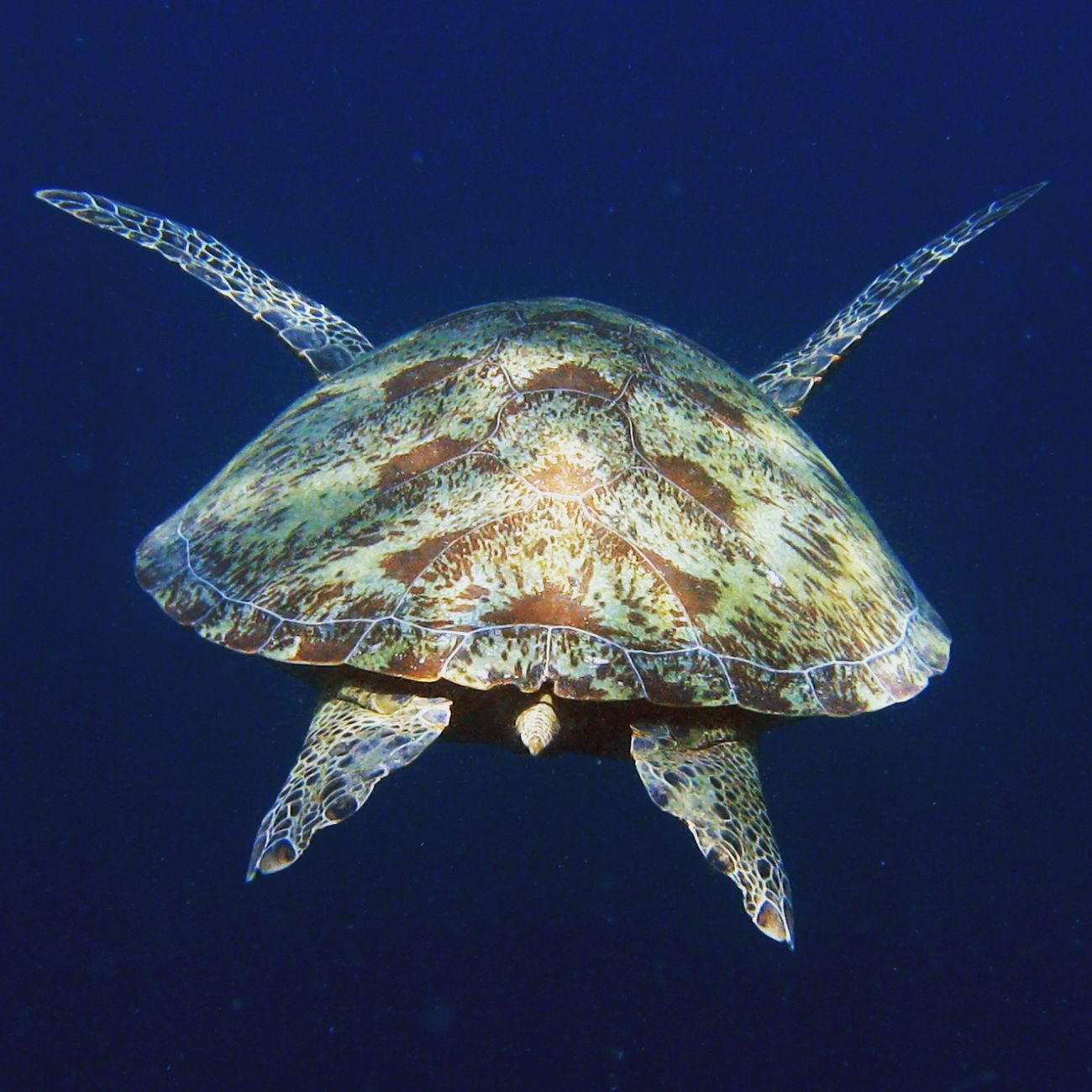
Marine Protected Area (MPA) is a clearly defined geographical space, recognized and managed through legal or other effective means to achieve the long‑term conservation of nature with associated ecosystem services and cultural values. An MPA can range from a small coastal reef to a vast oceanic region and may include multiple zones with differing levels of protection. Understanding the terminology associated with MPAs is essential for anyone involved in marine conservation enforcement, as precise language underpins effective policy, compliance monitoring, and stakeholder communication.
No‑take zone refers to a portion of an MPA where the extraction of all living resources is prohibited. These zones are often established to protect critical habitats such as spawning aggregations or coral reefs. For example, the Great Barrier Reef Marine Park includes several no‑take zones where fishing, harvesting, and even anchoring are forbidden. The practical application of a no‑take zone requires clear demarcation on nautical charts, visible signage on buoys, and regular patrols to ensure compliance. A common challenge is the potential displacement of fishing effort to adjacent areas, which can lead to over‑exploitation outside the protected zone if not managed through broader spatial planning.
Buffer zone is a peripheral area surrounding a core protected region that allows limited activities while providing an additional layer of protection. Buffer zones can mitigate edge effects, such as sediment runoff or illegal fishing, that might otherwise impact the core habitat. In practice, a buffer zone might permit low‑impact tourism or scientific research under strict permit conditions. Enforcement officers must differentiate between permitted and prohibited actions within the buffer, often requiring detailed knowledge of the specific regulations governing each activity.
Zonation is the process of dividing an MPA into distinct spatial units, each with its own set of rules and management objectives. Zonation can be based on ecological criteria (e.G., Habitat type, species distribution) or socio‑economic considerations (e.G., Existing fishing grounds, tourism hotspots). A well‑designed zonation plan balances biodiversity conservation with sustainable use, reducing conflicts among stakeholders. The challenge lies in gathering sufficient scientific data to justify each zone and in communicating the rationale to local communities, who may perceive restrictions as arbitrary without clear explanations.
Management plan is a document that outlines the goals, objectives, actions, and performance indicators for an MPA. It serves as a roadmap for day‑to‑day operations, long‑term monitoring, and adaptive management. A typical management plan includes sections on governance structure, funding mechanisms, stakeholder engagement, enforcement protocols, and risk assessment. For instance, the Papahānaumokuākea Marine National Monument’s management plan integrates traditional Hawaiian knowledge with modern scientific monitoring, providing a holistic approach to protection. Drafting an effective management plan is often hampered by limited data, insufficient funding, and conflicting interests among users.
Ecosystem‑based management (EBM) is a holistic approach that considers the entire ecosystem, including humans, rather than focusing on single species or sectors. In the context of MPAs, EBM emphasizes maintaining ecological processes, such as nutrient cycling and predator‑prey dynamics, to support overall resilience. Practical application of EBM may involve coordinating fisheries management, tourism regulation, and pollution control within the MPA’s jurisdiction. One challenge is the integration of diverse data sources and the need for cross‑sectoral governance structures that can accommodate multiple objectives.
Adaptive management is a structured, iterative process of decision‑making in the face of uncertainty, with an emphasis on learning from outcomes to adjust strategies over time. When an MPA’s monitoring data reveal unexpected changes—such as a decline in a target species despite protection—managers can revise zoning, enforcement intensity, or community outreach measures. Adaptive management requires robust monitoring systems, clear feedback loops, and the flexibility to modify legal instruments. Resistance from stakeholders accustomed to static regulations can impede the rapid adjustments needed for effective adaptation.
Stakeholder denotes any individual or group that has an interest in the MPA, including fishers, tourism operators, indigenous peoples, NGOs, scientists, and government agencies. Engaging stakeholders early and continuously is critical for building legitimacy and compliance. For example, co‑management arrangements in the Philippines have empowered local fisherfolk to participate in patrols and data collection, leading to higher compliance rates. However, stakeholder engagement can be challenged by power imbalances, language barriers, and differing perceptions of resource value.
Enforcement is the set of activities aimed at ensuring compliance with MPA regulations. It includes patrols, inspections, surveillance, and the imposition of penalties. Effective enforcement often combines visible presence—such as boat patrols and aerial surveillance—with covert operations, like undercover inspections. Enforcement officers must be trained not only in legal provisions but also in conflict resolution and cultural sensitivity, particularly when dealing with communities that rely on marine resources for livelihood.
Monitoring refers to systematic, ongoing collection of data to assess the condition of the marine environment and the effectiveness of management actions. Monitoring can involve biological surveys (e.G., Fish biomass, coral cover), habitat mapping, water quality testing, and socio‑economic assessments (e.G., Tourism revenue, fishers’ income). In practice, a monitoring program might employ divers, remote‑sensing technology, and community‑based citizen science. A key challenge is ensuring data quality and consistency over long time frames, especially when funding cycles are short.
Compliance is the degree to which users of the MPA adhere to the rules and regulations. High compliance reduces the need for intensive enforcement and enhances conservation outcomes. Compliance can be encouraged through education, incentive programs (e.G., Eco‑labeling for sustainably caught seafood), and community watch schemes. Measuring compliance often involves spot checks, vessel tracking, and analysis of catch records. Low compliance may stem from lack of awareness, perceived unfairness of restrictions, or insufficient enforcement presence.
Surveillance is the use of technology and observational methods to detect illegal activities within an MPA. Tools may include satellite‑based vessel tracking (e.G., AIS), radar, drones, and acoustic monitoring. For instance, the use of drones over remote islands has enabled rapid detection of illegal poaching, leading to timely interdiction. Surveillance systems must be integrated with response protocols to be effective; otherwise, detection without follow‑up can erode confidence in enforcement.
Patrol is a physical presence of enforcement personnel in the field, typically by boat, aircraft, or on foot. Patrols serve both deterrent and detection functions. A well‑planned patrol schedule considers high‑risk areas, seasonal fishing patterns, and historical hotspots of illegal activity. In some regions, community‑based patrols have been established, leveraging local knowledge and fostering stewardship. Patrols, however, are resource‑intensive, requiring fuel, vessels, trained crew, and logistical support.
Permit is an official authorization allowing a specific activity within an MPA, such as scientific sampling, ecotourism, or limited fishing. Permits often include conditions on timing, location, gear type, and reporting requirements. For example, a research permit may stipulate that only non‑destructive sampling methods be used and that all data be shared with the MPA management authority. Issuing permits provides a mechanism to regulate use while generating revenue for conservation, but the permit process must be transparent to avoid perceptions of favoritism.
License is similar to a permit but typically refers to longer‑term rights, such as a commercial fishing license that may be valid for several years. Licenses may include quotas, gear restrictions, and spatial limits. In many jurisdictions, licenses are allocated through a competitive bidding process or by historical rights allocation. Managing licenses within an MPA requires coordination with national fisheries agencies and careful monitoring to prevent over‑extraction.
Quota is a limit on the amount of a particular resource that can be harvested, often expressed as a total catch weight or number of individuals per season. Quotas can be applied within an MPA to allow limited, sustainable extraction of certain species. For instance, a quota for reef fish may be set at a low level to support artisanal fishers while protecting the overall ecosystem. Quota enforcement demands accurate catch reporting and verification mechanisms, which can be difficult in areas with limited oversight.
Sustainable use is the utilization of marine resources in a way that does not compromise the ability of future generations to meet their needs. In the MPA context, sustainable use may involve selective gear that minimizes habitat damage, seasonal closures that protect breeding periods, or community‑managed fisheries that incorporate traditional ecological knowledge. Demonstrating sustainable use often requires robust scientific evidence and clear communication of benefits to resource users.
Biodiversity refers to the variety of life at genetic, species, and ecosystem levels. MPAs aim to conserve biodiversity by protecting habitats, species, and ecological processes. High biodiversity is associated with greater ecosystem resilience, which is vital in the face of climate change and other stressors. Measuring biodiversity may involve species inventories, genetic studies, and assessments of functional diversity. A challenge is that many marine species remain undescribed, making comprehensive biodiversity assessments difficult.
Habitat denotes the physical environment in which organisms live, such as coral reefs, seagrass beds, mangroves, or deep‑sea vents. Protecting habitats is a cornerstone of MPA design because habitats provide the structure and resources needed for species survival. Habitat mapping, often conducted with sonar or satellite imagery, informs zoning decisions and monitoring priorities. Habitat degradation, such as coral bleaching or seagrass loss, can undermine the objectives of an MPA, highlighting the need for integrated management of land‑based sources of pollution.
Endemic species are species that occur only within a defined geographic area. MPAs that protect endemic species are critical for preserving unique genetic lineages. For example, the Galápagos Marine Reserve safeguards several endemic fish species found nowhere else on Earth. Management of endemic species may require targeted measures, such as specific no‑take zones around breeding sites. The limited distribution of endemic species also makes them particularly vulnerable to localized threats.
Keystone species exert a disproportionate influence on ecosystem structure relative to their abundance. Their protection can have cascading benefits throughout the food web. A classic marine example is the sea otter, which controls sea urchin populations and thereby promotes kelp forest health. In MPAs, maintaining keystone species often involves strict protection from hunting and habitat disturbance. Identifying keystone species requires ecological research and may be complicated by limited data on interaction networks.
Indicator species are organisms whose presence, abundance, or health reflects broader environmental conditions. Monitoring indicator species can provide early warnings of ecosystem change. For instance, the decline of certain reef fish may signal deteriorating coral health. Selecting appropriate indicator species involves understanding their ecological role and sensitivity to stressors. Over‑reliance on a single indicator can be misleading, so a suite of indicators is usually recommended.
Ecological connectivity describes the movement of organisms, genes, and energy across habitats. Connectivity is essential for replenishing populations, especially for species with larval dispersal phases. MPAs are most effective when they form networks that facilitate connectivity, allowing protected populations to seed adjacent areas. Designing such networks requires knowledge of species’ life histories, ocean currents, and habitat distribution. A major challenge is that political boundaries often fragment connectivity, necessitating trans‑boundary cooperation.
Marine spatial planning (MSP) is a process that guides the allocation of marine space among competing uses, such as fishing, shipping, energy development, and conservation. MSP provides a framework for integrating MPAs into broader seascape management. An MSP exercise typically involves stakeholder workshops, data collection, scenario modeling, and the production of a spatial plan. Effective MSP can reduce conflicts, enhance economic efficiency, and improve environmental outcomes. However, the process can be time‑consuming and may be hindered by data gaps and inter‑agency coordination problems.
Jurisdiction defines the legal authority over a marine area, which may be national, regional, or international. The extent of jurisdiction influences which laws apply, who can enforce them, and how resources are allocated. For example, a coastal state’s exclusive economic zone (EEZ) extends 200 nautical miles from its baseline, granting it rights over fisheries and mineral resources. Within an EEZ, the state can establish MPAs and enforce regulations. In areas beyond national jurisdiction, such as the high seas, governance relies on international agreements and regional fisheries management organizations.
Legal framework encompasses the statutes, regulations, and policies that provide the basis for MPA establishment and management. A robust legal framework clarifies objectives, delineates authority, and sets out enforcement powers. In many countries, the legal framework for MPAs is embedded within fisheries law, environmental protection acts, or specific marine conservation statutes. Gaps or ambiguities in the legal framework can lead to enforcement challenges, such as unclear penalties or jurisdictional disputes.
International conventions are treaties that set standards for marine conservation across nations. Key conventions include the United Nations Convention on the Law of the Sea (UNCLOS), the Convention on Biological Diversity (CBD), and the Convention on International Trade in Endangered Species (CITES). UNCLOS provides the legal basis for establishing MPAs within EEZs and the high seas, while the CBD obligates parties to achieve the “Aichi Biodiversity Targets,” many of which involve protected area coverage. Enforcement officers must be familiar with these conventions to understand the broader obligations that support national MPA policies.
UNCLOS is the foundational legal instrument governing the use of oceans and seas. It defines maritime zones, such as territorial seas, EEZs, and the continental shelf, and sets out the rights and duties of states. Article 123 of UNCLOS specifically addresses the establishment of marine protected areas, allowing states to adopt measures to protect and preserve the marine environment. Understanding UNCLOS provisions is essential for drafting enforceable regulations and for engaging in trans‑boundary enforcement actions.
CBD obliges signatory nations to develop national strategies for the conservation and sustainable use of biological diversity. The CBD’s “Aichi Target 11” calls for at least 10 % of coastal and marine areas to be protected through effectively managed areas. This target provides a benchmark for MPA coverage, but the emphasis on “effectively managed” highlights the need for adequate governance, monitoring, and enforcement. The CBD also promotes the integration of traditional knowledge, which can enhance stakeholder buy‑in and compliance.
IUCN categories classify protected areas based on their management objectives. The International Union for Conservation of Nature (IUCN) has six categories for terrestrial and marine protected areas, ranging from strict nature reserves (Category Ia) to sustainable use areas (Category VI). Each category carries specific expectations for permissible activities. For example, a Category II MPA allows for ecosystem protection while supporting recreation, whereas a Category Ia area typically prohibits any extractive use. Selecting an appropriate IUCN category guides the development of zoning, permit systems, and enforcement priorities.
Category Ia (Strict Nature Reserve) is the most restrictive type, aiming for minimal human impact. Access is limited to scientific research and monitoring, with all extractive activities prohibited. Enforcement in a Category Ia area often relies on remote surveillance and rapid response teams to deter illegal entry. The challenge is balancing the need for scientific access with the risk of disturbance.
Category Ib (Wilderness Area) allows for low‑impact, non‑motorized recreation while maintaining natural conditions. Enforcement must monitor for unauthorized motorized vessels and ensure that visitors adhere to leave‑no‑trace principles. Visitor education and clear signage are critical to prevent inadvertent damage.
Category II (National Park) combines ecosystem protection with recreation and tourism. This category is common for coastal MPAs that attract divers and snorkelers. Enforcement must manage both protection and visitor safety, often requiring collaboration with tourism operators to develop codes of conduct.
Category III (Natural Monument) focuses on protecting specific natural features, such as a unique coral formation or a spawning aggregation site. Management may involve temporary closures during critical periods. Enforcement must be vigilant during these times to prevent illegal harvesting.
Category IV (Habitat/Species Management Area) emphasizes active management to maintain, conserve, or restore particular species or habitats. This may involve habitat restoration projects, invasive species removal, or regulated fishing. Enforcement officers may need to oversee both protective measures and controlled use activities.
Category V (Protected Landscape/Seascape) seeks to preserve the interaction of people and nature that has produced a distinct character. This category often includes traditional fishing practices that are considered sustainable. Enforcement in a Category V area must respect cultural traditions while ensuring that activities remain within agreed limits.
Category VI (Protected Area with Sustainable Use of Natural Resources) allows for a higher degree of sustainable resource extraction, such as artisanal fisheries, under strict management. Enforcement focuses on compliance with quotas, gear restrictions, and monitoring of catch data. Balancing economic benefits with conservation goals is a central challenge.
Ecosystem services are the benefits that humans obtain from ecosystems, such as food provision, coastal protection, and tourism revenue. MPAs can enhance ecosystem services by preserving habitats that support fisheries, buffering storm impacts, and providing scenic value. Communicating these benefits to stakeholders can improve compliance and support for MPA policies. However, quantifying ecosystem services in monetary terms can be complex and may require interdisciplinary expertise.
Resilience describes the capacity of an ecosystem to absorb disturbances while maintaining its essential functions. MPAs contribute to resilience by reducing local stressors, allowing ecosystems to better cope with global threats like climate change. Management actions that promote resilience include protecting climate‑refugia habitats, reducing pollution inputs, and maintaining functional connectivity. Measuring resilience is challenging because it involves long‑term monitoring of multiple indicators and often requires modeling of future scenarios.
Climate change adaptation involves adjusting management strategies to address the impacts of warming oceans, sea‑level rise, and increased storm intensity. In MPAs, adaptation may include shifting boundaries to include newly formed habitats, protecting migration corridors, and enhancing habitat complexity to buffer against bleaching events. Enforcement must be flexible to accommodate these dynamic changes, which may necessitate rapid amendment of regulations and re‑training of patrol crews.
Fisheries management within MPAs is a key component of sustainable use. It incorporates stock assessments, catch limits, gear restrictions, and spatial controls. For example, a co‑managed MPA may allocate a small portion of its area for a “sustainable fishery” where only hook‑and‑line gear is allowed, and catches are monitored through a community‑based logbook system. The integration of fisheries management with conservation objectives can reduce conflict and improve compliance, but it requires continuous data collection and transparent decision‑making processes.
Marine biodiversity hotspot is a region that contains exceptionally high species richness and endemism. Establishing MPAs in such hotspots maximizes conservation impact. The Coral Triangle is a classic marine biodiversity hotspot, and several of its countries have designated large MPAs to protect the area’s unique species assemblages. Challenges include the high economic value of the resources in hotspots, which can lead to strong opposition from commercial interests.
Marine protected area network refers to a collection of MPAs that are ecologically linked and collectively aim to achieve broader conservation objectives. Networks can be designed to ensure representation of different habitats, maintain connectivity, and provide redundancy against localized disturbances. Effective network design often employs systematic conservation planning tools that prioritize areas based on biodiversity value, threat levels, and cost. Coordination among multiple jurisdictions is essential for network success, and this can be facilitated through regional agreements and shared monitoring platforms.
Trans‑boundary cooperation is required when marine ecosystems cross national borders, such as shared fish stocks or migratory species routes. Joint management agreements, shared enforcement protocols, and harmonized regulations are common mechanisms for cooperation. An example is the Pacific Regional Fisheries Management Organisation, which coordinates enforcement among member states to combat illegal, unreported, and unregulated (IUU) fishing. Obstacles to trans‑boundary cooperation include differing legal systems, language barriers, and competing economic priorities.
Illegal, unreported, and unregulated (IUU) fishing is a major threat to MPA effectiveness. IUU activities undermine conservation goals, deplete fish stocks, and erode the legitimacy of enforcement agencies. Detection of IUU fishing often relies on vessel tracking systems, whistle‑blower reports, and on‑board inspections. Enforcement response may involve seizure of vessels, fines, and revocation of licenses. International collaboration, such as through the Port State Measures Agreement, is critical for addressing IUU fishing that originates beyond a single nation’s jurisdiction.
Port State Measures (PSM) are a set of standards that require foreign vessels to obtain permission before entering a port, ensuring that they are not engaged in IUU fishing. Implementation of PSM can reduce the market for illegally caught fish and provide additional enforcement leverage for MPAs. However, effective PSM enforcement depends on capacity building for customs officials and the willingness of ports to enforce the measures.
Vessel monitoring system (VMS) is a satellite‑based technology that tracks the location and activity of fishing vessels in real time. VMS data can be integrated with enforcement databases to identify vessels operating within prohibited zones. In practice, enforcement officers may receive alerts when a vessel’s VMS signal indicates entry into a no‑take zone, prompting a rapid response. Data privacy concerns and the cost of maintaining VMS infrastructure can be limiting factors for some jurisdictions.
Automatic identification system (AIS) is another tracking technology, originally designed for collision avoidance, that provides vessel identity, position, and course information. AIS data are publicly accessible and can be used by NGOs, researchers, and enforcement agencies to monitor vessel movements. Combining AIS with VMS helps create a comprehensive picture of maritime activity, though small craft may not be equipped with AIS, creating blind spots in surveillance.
Acoustic monitoring utilizes hydrophones to detect sounds produced by vessels, marine mammals, or other marine life. In MPAs, acoustic sensors can identify illegal motorized boats operating at night or in poor visibility. Acoustic data can be processed automatically to generate alerts for enforcement teams. The challenge lies in distinguishing between legitimate and illicit sounds, and in maintaining sensor networks in harsh marine environments.
Remote sensing includes satellite imagery and aerial photography used to map habitats, detect changes, and monitor human activities. High‑resolution satellite images can reveal illegal anchoring on coral reefs or the expansion of aquaculture farms within protected zones. Remote sensing provides a cost‑effective means to monitor large areas, but it may be limited by cloud cover and the need for ground‑truth verification.
Citizen science engages non‑professional volunteers in data collection, such as reef health assessments, species sightings, or water quality measurements. Programs like Reef Check empower divers to contribute valuable data that complement official monitoring. Citizen science can increase community ownership of MPAs and expand the spatial coverage of surveys. Ensuring data quality and providing adequate training are essential to make citizen‑generated data reliable for management decisions.
Marine protected area governance encompasses the structures, processes, and institutions that guide decision‑making, implementation, and evaluation. Governance may be centralized under a national agency, devolved to regional authorities, or co‑managed with local communities. Good governance is characterized by transparency, accountability, participation, and rule of law. Weak governance can lead to fragmented enforcement, lack of compliance, and missed conservation opportunities.
Co‑management is a collaborative governance arrangement where responsibility for MPA management is shared between government agencies and local stakeholders. Co‑management can increase compliance by incorporating local knowledge, fostering stewardship, and distributing enforcement duties. The Philippines’ “Community‑Managed Marine Protected Areas” program exemplifies successful co‑management, where fishers conduct patrols and enforce rules themselves. Challenges include ensuring equitable participation, balancing power dynamics, and providing capacity‑building resources.
Traditional ecological knowledge (TEK) refers to the cumulative body of knowledge, practices, and beliefs held by indigenous and local communities concerning the environment. Integrating TEK into MPA management can improve the relevance of regulations, identify culturally important sites, and enhance monitoring through community observations. Respecting TEK requires recognizing intellectual property rights and ensuring that benefits are shared fairly.
Marine protected area zoning plan is a spatial document that delineates the location and boundaries of different zones within an MPA, each with specific permitted and prohibited activities. The plan is typically developed through a participatory process, incorporating scientific data, stakeholder input, and legal considerations. Effective zoning requires clear, map‑based communication so that users can readily identify their rights and obligations. Inadequate zoning can lead to confusion, illegal entry, and enforcement inefficiencies.
Management effectiveness tracking (MET) is a systematic approach to assess how well an MPA is achieving its objectives. MET frameworks often use a set of standardized indicators, such as governance quality, ecological status, and socio‑economic outcomes. Regular MET assessments inform adaptive management by highlighting strengths and gaps. However, conducting MET can be resource‑intensive, and indicators must be selected carefully to avoid overwhelming managers with data.
Enforcement capacity refers to the resources, personnel, equipment, and legal authority available to carry out MPA regulations. High enforcement capacity includes well‑trained officers, fast‑response vessels, surveillance technology, and a robust judicial system for prosecuting violations. Building capacity may involve training programs, procurement of patrol boats, and establishing inter‑agency agreements. Limited capacity often results in “paper” MPAs—areas that exist on maps but lack real protection on the ground.
Penalty regime is the set of sanctions applied to violators of MPA regulations, ranging from warnings and fines to imprisonment and seizure of equipment. Penalties must be proportional to the seriousness of the offense and must be enforceable through the legal system. A well‑designed penalty regime deters illegal activity and signals the seriousness of conservation goals. Inconsistent or overly lenient penalties can erode compliance and embolden repeat offenders.
Judicial process encompasses the steps through which alleged violations are investigated, prosecuted, and adjudicated. Efficient judicial processes require clear evidence collection protocols, trained prosecutors, and knowledgeable judges. Delays in the judicial system can diminish the deterrent effect of penalties, as violators may perceive the risk of punishment as low. Coordination between enforcement agencies and the judiciary is therefore critical.
Capacity building involves training, education, and resource development to enhance the skills and abilities of personnel involved in MPA management. Capacity‑building initiatives may cover topics such as law enforcement tactics, ecological monitoring methods, community outreach, and conflict resolution. International donors, NGOs, and academic institutions often support capacity‑building programs. Successful capacity building leads to more effective enforcement, better data quality, and stronger stakeholder relationships.
Conflict resolution is a set of techniques used to address disputes that arise between enforcement authorities and resource users. Effective conflict resolution may involve mediation, negotiation, or facilitation, aiming to find mutually acceptable solutions while maintaining the integrity of MPA regulations. For instance, a disagreement over a newly imposed fishing restriction could be resolved through a stakeholder workshop that revises the rule based on local input. Failure to address conflicts can result in escalated illegal activity and loss of community support.
Compliance incentives are positive reinforcement mechanisms designed to encourage adherence to MPA rules. Incentives can include access to premium markets for sustainably caught seafood, tax breaks for compliant operators, or recognition awards for community groups that demonstrate high compliance. Incentive programs complement enforcement by making compliance economically attractive. Designing effective incentives requires understanding the motivations of target groups and ensuring that benefits are tangible and attainable.
Environmental impact assessment (EIA) is a systematic process used to evaluate the potential environmental consequences of proposed activities, such as offshore drilling or coastal development, within or near an MPA. EIAs help decision‑makers identify mitigation measures, avoid unacceptable impacts, and incorporate protective clauses into project permits. Enforcement officers may review EIAs to verify that developers comply with stipulated conditions and to monitor post‑implementation impacts.
Strategic environmental assessment (SEA) expands the scope of EIA to broader policies, plans, and programs, such as a national marine spatial planning initiative. SEAs assess cumulative impacts and help align development goals with conservation objectives. Incorporating SEA findings into MPA management can ensure that sectoral plans—like tourism development or renewable energy—do not inadvertently undermine protected area goals.
Marine tourism management involves regulating activities such as diving, snorkeling, boating, and wildlife watching to minimize ecological disturbance while providing economic benefits. Management tools include visitor caps, designated mooring buoys, and codes of conduct for operators. For example, a dive operator may be required to submit a log of dive sites and adhere to a “no‑touch” policy. Enforcement of tourism regulations often requires collaboration with local businesses and the development of certification schemes that reward best practices.
Marine litter control targets the reduction of plastic and other debris that accumulates in marine environments. MPAs can serve as pilot sites for litter reduction initiatives, such as beach clean‑ups, waste‑water treatment upgrades, and public awareness campaigns. Enforcement may involve fines for illegal dumping and inspections of vessels for waste disposal compliance. Litter control contributes to habitat protection, especially for species that ingest or become entangled in debris.
Marine protected area financing encompasses the various sources of funding that support MPA operations, including government budgets, donor grants, tourism revenues, and innovative mechanisms like blue bonds. Sustainable financing is crucial for maintaining patrol vessels, monitoring equipment, staff salaries, and community outreach. Financial shortfalls often lead to “paper” MPAs that exist only on paper. Exploring diversified funding streams, such as payment for ecosystem services, can improve financial resilience.
Blue carbon refers to carbon stored in marine and coastal ecosystems, such as mangroves, seagrasses, and saltmarshes. Protecting and restoring these habitats can contribute to climate mitigation objectives. MPAs that include blue‑carbon ecosystems can access climate finance mechanisms, providing additional funding for conservation. However, quantifying carbon stocks and establishing clear accounting frameworks can be complex and may require specialized expertise.
Marine protected area monitoring and evaluation framework (MPA M&E) provides a structured approach to assess progress toward management objectives. The framework typically includes baseline assessments, periodic data collection, indicator analysis, and reporting. An effective MPA M&E framework integrates biological, socio‑economic, and governance indicators, enabling a comprehensive view of performance. One challenge is ensuring that data collection is timely and that results are fed back into decision‑making processes.
Ecological indicator is a measurable feature of an ecosystem that reflects its health or condition. Examples include coral cover percentage, fish biomass, or the presence of indicator species such as the giant clam. Ecological indicators are used to track trends over time and to evaluate the effectiveness of protection measures. Selecting appropriate indicators requires understanding the ecosystem’s dynamics and the management goals of the MPA.
Socio‑economic indicator captures the human dimension of MPA performance, such as employment rates in fisheries, tourism income, or community satisfaction. These indicators help assess whether the MPA is delivering benefits to local people and can guide adjustments to management strategies to improve equity and acceptance. Balancing ecological and socio‑economic indicators is essential for achieving sustainable outcomes.
Performance metric is a quantitative measure used to gauge the success of specific management actions. For instance, the number of illegal vessels intercepted per patrol hour can serve as a performance metric for enforcement efficiency. Metrics should be SMART—specific, measurable, achievable, relevant, and time‑bound—to facilitate clear evaluation and reporting.
Risk assessment identifies potential threats to the MPA’s objectives, evaluates their likelihood and impact, and prioritizes actions to mitigate them. Risks may include natural hazards (e.G., Hurricanes), anthropogenic pressures (e.G., Oil spills), or governance weaknesses (e.G., Corruption). Conducting a risk assessment helps allocate resources strategically, focusing on high‑risk areas for intensified surveillance or contingency planning.
Contingency plan outlines procedures to respond to emergencies such as oil spills, mass die‑offs, or sudden illegal incursions. A well‑prepared contingency plan includes communication protocols, designated response teams, resource mobilization steps, and post‑incident evaluation. Enforcement agencies must regularly drill contingency plans to ensure rapid and coordinated action when incidents occur.
Marine protected area compliance monitoring involves systematic checks to verify that activities within the MPA adhere to regulations. This can include vessel inspections, review of catch logs, and verification of permit conditions. Compliance monitoring data feed into enforcement decisions, identifying patterns of non‑compliance and informing targeted patrols. Effective compliance monitoring requires clear legal standards, trained staff, and reliable data management systems.
Data management system is a digital platform that stores, processes, and disseminates information collected from monitoring, enforcement, and stakeholder activities. An integrated data system enables real‑time access to vessel tracks, species observations, and enforcement actions, facilitating coordination among agencies. However, challenges include ensuring data security, standardizing formats, and providing training for users.
Information sharing protocol defines how data are exchanged between agencies, such as fisheries departments, customs, and marine police. Protocols establish confidentiality rules, data ownership, and mechanisms for timely sharing of intelligence on illegal activities. Effective information sharing enhances the ability to track illicit vessels across jurisdictions and to coordinate joint operations.
International cooperation is essential for addressing threats that transcend national boundaries, such as IUU fishing, marine pollution, and migratory species protection. Cooperation can take the form of joint patrols, shared databases, and harmonized regulations. Regional bodies like the Western and Central Pacific Fisheries Commission provide platforms for collaborative enforcement. Barriers to cooperation include differing legal frameworks, resource constraints, and political tensions.
Marine protected area stakeholder mapping is a process that identifies all individuals, groups, and institutions with an interest in the MPA. Mapping helps to understand relationships, influence, and potential conflicts, informing engagement strategies. Tools such as power‑interest matrices can guide prioritization of outreach efforts. Accurate stakeholder mapping reduces the risk of overlooking key actors who could either support or undermine MPA objectives.
Community outreach activities aim to raise awareness, build trust, and encourage participation in MPA stewardship. Outreach may involve school programs, public workshops, informational brochures, and social media campaigns. Successful outreach often tailors messages to local cultural contexts and uses local languages. Measuring outreach effectiveness can be done through surveys assessing knowledge change or participation rates in conservation activities.
Education and capacity‑building program for fishers can include training on sustainable fishing techniques, gear modification, and the benefits of MPAs. By providing alternatives that improve livelihoods while reducing pressure on resources, such programs can foster voluntary compliance. For example, training fishers to use fish aggregating devices (FADs) that target specific species can reduce by‑catch. The main challenge is securing funding and ensuring that training translates into practice.
Environmental stewardship reflects a sense of responsibility for caring for the marine environment. Encouraging stewardship can be achieved through recognition programs, such as “Guardian of the Reef” awards, or by involving communities in habitat restoration projects. When people feel ownership over the MPA, they are more likely to report violations and support enforcement actions. However, stewardship must be nurtured over time and cannot be imposed through top‑down mandates alone.
Marine protected area compliance reporting requires regular submission of data on enforcement actions, violations, and outcomes. Reports may be produced for internal management review, donor accountability, or public transparency. Standardized reporting formats improve comparability across regions and support the aggregation of data for national or global assessments. Timely reporting is essential for adaptive management and for demonstrating the value of the MPA to stakeholders.
Legal enforcement hierarchy outlines the chain of authority from national ministries to regional offices and field officers. Understanding the hierarchy is critical for ensuring that orders are issued by authorized personnel and that penalties are administered within legal bounds. In some systems, field officers may have limited powers to detain vessels, requiring escalation to higher authorities for prosecution. Clear delineation of roles prevents jurisdictional disputes and procedural delays.
Evidence collection protocol specifies how enforcement officers must gather and preserve evidence of violations, such as photographs, video recordings, and seized samples. Proper evidence handling is vital for successful prosecution and for maintaining the credibility of enforcement actions.
Key takeaways
- Understanding the terminology associated with MPAs is essential for anyone involved in marine conservation enforcement, as precise language underpins effective policy, compliance monitoring, and stakeholder communication.
- A common challenge is the potential displacement of fishing effort to adjacent areas, which can lead to over‑exploitation outside the protected zone if not managed through broader spatial planning.
- Enforcement officers must differentiate between permitted and prohibited actions within the buffer, often requiring detailed knowledge of the specific regulations governing each activity.
- The challenge lies in gathering sufficient scientific data to justify each zone and in communicating the rationale to local communities, who may perceive restrictions as arbitrary without clear explanations.
- For instance, the Papahānaumokuākea Marine National Monument’s management plan integrates traditional Hawaiian knowledge with modern scientific monitoring, providing a holistic approach to protection.
- Ecosystem‑based management (EBM) is a holistic approach that considers the entire ecosystem, including humans, rather than focusing on single species or sectors.
- When an MPA’s monitoring data reveal unexpected changes—such as a decline in a target species despite protection—managers can revise zoning, enforcement intensity, or community outreach measures.