
Body And Chassis Inspection
Expert-defined terms from the Certificate in Antique and Vintage Car Appraisal (Germany) (Part II) course at HealthCareCourses (An LSIB brand). Free to read, free to share, paired with a professional course.
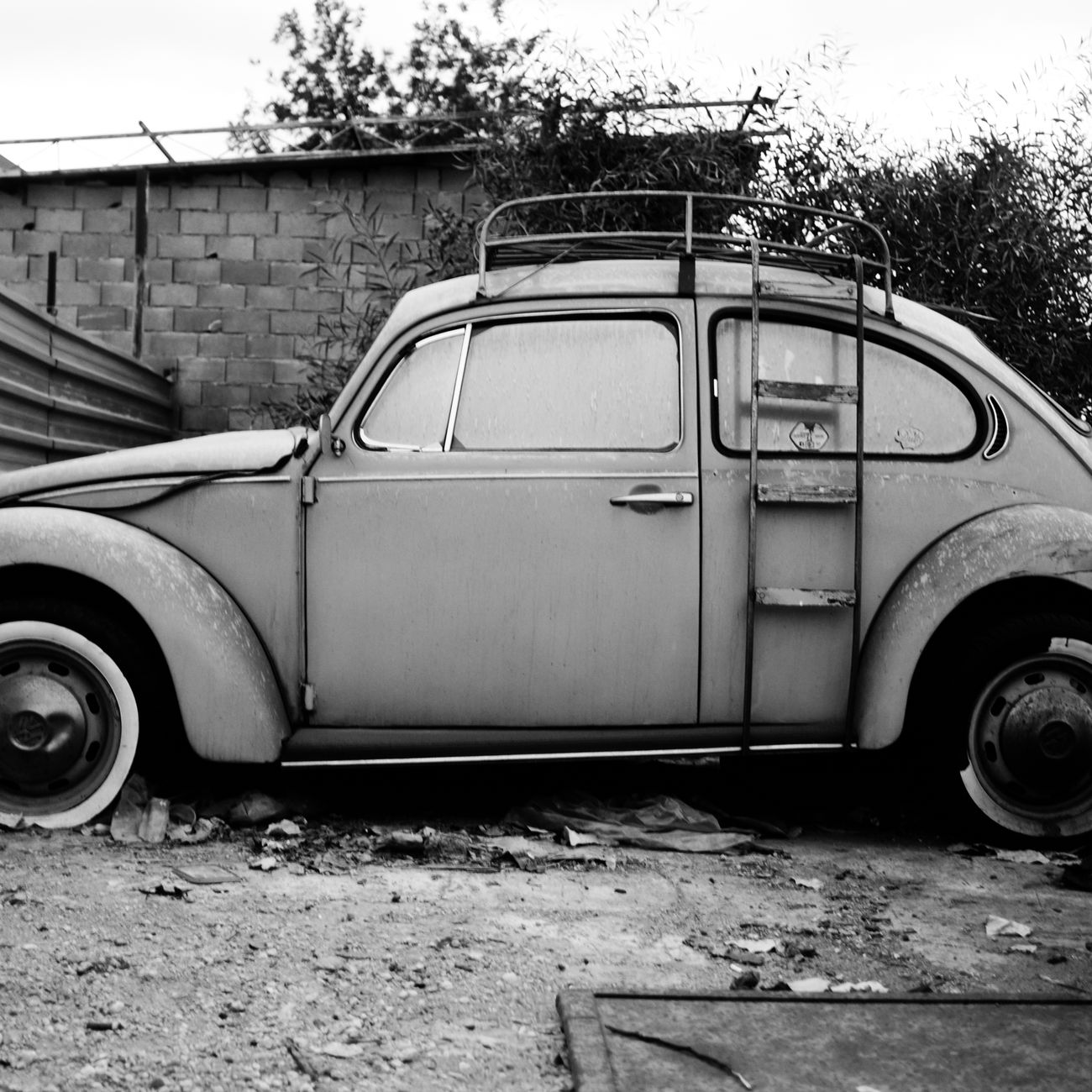
Alignment, chassis – Concept #
geometric relationship of wheels to the frame. Related terms: toe, camber, caster. Explanation: Proper alignment ensures even tire wear and predictable handling. Example: A 1938 Mercedes-Benz 770 shows 0.5° toe‑in after a restoration. Practical application: Inspect alignment with a digital angle gauge during appraisal. Challenges: Distorted frames may hide misalignment, requiring disassembly for accurate measurement.
Armature, body – Concept #
structural skeleton of a vehicle’s body panels. Related terms: subframe, reinforcement. Explanation: The armature supports exterior sheet metal and impacts overall rigidity. Example: The wooden ash armature of a 1924 Rolls‑Royce remains intact, indicating careful preservation. Practical application: Assess continuity of armature joints to gauge originality. Challenges: Corroded or replaced members can be difficult to differentiate from authentic parts.
Body panel – Concept #
exterior sheet covering a car. Related terms: fender, quarter panel, roof panel. Explanation: Panels are often made of steel, aluminum, or wood and may be original or replaced. Example: The original steel fenders on a 1955 Porsche 356 retain factory rivets. Practical application: Examine panel thickness, stamping marks, and rivet patterns for authenticity. Challenges: Panels are frequently repainted or repaired, obscuring original material and finish.
Body structure – Concept #
overall framework of the car’s exterior. Related terms: monocoque, ladder frame. Explanation: Determines load distribution and crash resistance. Example: A 1930 Bentley with a ladder frame exhibits distinct crossmember layout. Practical application: Verify structural integrity by checking welds and rivets. Challenges: Hidden rust can compromise strength without visible signs.
Brake system, chassis – Concept #
mechanism for slowing or stopping the vehicle. Related terms: drum brake, hydraulic line. Explanation: Includes master cylinder, brake lines, drums or discs, and linkages. Example: Original hydraulic drums on a 1949 Jaguar XK120 show characteristic cast‑iron ribbing. Practical application: Test for leaks and pedal travel during inspection. Challenges: Non‑original upgrades may be undocumented, affecting valuation.
Camber – Concept #
angle of wheel tilt relative to vertical axis. Related terms: alignment, caster. Explanation: Excessive camber leads to uneven tire wear and handling issues. Example: A 1962 Chevrolet Impala with 2° negative camber after frame straightening. Practical application: Measure camber with a digital inclinometer. Challenges: Pre‑warped chassis may mask true camber values.
Chassis – Concept #
primary load‑bearing framework of a vehicle. Related terms: frame rail, subframe. Explanation: Supports engine, suspension, body, and drivetrain. Example: The steel ladder frame of a 1934 Ford V8 remains original. Practical application: Inspect for rust, cracks, and modifications. Challenges: Extensive rust can necessitate partial reconstruction, complicating provenance.
Chassis number – Concept #
unique identifier stamped onto the frame. Related terms: VIN, serial number. Explanation: Used to verify authenticity and trace history. Example: The chassis number “D-12345” on a 1939 DKW matches factory records. Practical application: Cross‑reference with registration documents. Challenges: Numbers may be filed off or replaced with forged stamps.
Crewed joint – Concept #
overlapping metal joint reinforced with rivets. Related terms: lap joint, riveting. Explanation: Common in early steel bodies for added strength. Example: The crewed joint on a 1927 Bugatti Type 35’s rear quarter panel. Practical application: Identify original crewed joints versus welded repairs. Challenges: Rust can erode rivet heads, making identification difficult.
Crossmember – Concept #
transverse structural element linking frame rails. Related terms: frame rail, subframe. Explanation: Provides mounting points for engine and suspension. Example: The front crossmember of a 1950 Volkswagen Beetle houses the engine cradle. Practical application: Check for corrosion, cracks, and proper alignment. Challenges: Aftermarket reinforcements may be hidden behind panels.
Crush zone – Concept #
designed area to absorb impact energy. Related terms: front end, rear end. Explanation: In vintage cars, crush zones are often limited, affecting safety. Example: The aluminum front bumper of a 1936 Mercedes‑Benz acts as a primitive crush zone. Practical application: Evaluate structural integrity for safe transport. Challenges: Modern safety upgrades may alter original design.
Dashboard, body – Concept #
interior panel housing gauges and controls. Related terms: instrument cluster, cowl. Explanation: Often crafted from wood, metal, or bakelite. Example: Original walnut dashboard on a 1942 BMW 327 with authentic gauge faces. Practical application: Inspect for original finish, wiring, and mounting hardware. Challenges: Replacements may be visually similar but lack period‑correct materials.
Deformation – Concept #
permanent change in shape due to stress. Related terms: buckling, cracking. Explanation: Indicates prior accidents or over‑stress. Example: Mild deformation of a 1932 Alfa Romeo chassis rail visible after a minor collision. Practical application: Use straightedge and torque wrenches to assess severity. Challenges: Hidden deformation may only be revealed after disassembly.
Dimensional tolerance – Concept #
allowable variation from original specifications. Related terms: fitment, clearance. Explanation: Critical for proper assembly and operation. Example: The 0.5 mm tolerance on a 1939 Opel chassis bolt hole. Practical application: Measure with calipers during appraisal. Challenges: Wear and corrosion can enlarge holes beyond tolerances, necessitating repair.
Door hinge – Concept #
pivot mechanism allowing door opening. Related terms: latch, pin. Explanation: Early cars used heavy steel hinges prone to rust. Example: Original brass hinges on a 1925 Rolls‑Royce Silver Ghost. Practical application: Examine hinge condition, lubrication, and original mounting points. Challenges: Aftermarket hinges may be installed without documentation.
Door latch – Concept #
mechanism securing the door closed. Related terms: catch, lock. Explanation: May be mechanical or electric. Example: A period‑correct mechanical latch on a 1933 Cadillac. Practical application: Test operation and check for original finish. Challenges: Corrosion can cause binding, leading to replacement that obscures originality.
Door panel – Concept #
interior surface of a vehicle door. Related terms: trim, weatherstripping. Explanation: Often wood‑veneered or fabric‑lined in vintage models. Example: Original leather‑covered door panel on a 1951 Jaguar Mark VII. Practical application: Assess wear, stitching, and attachment hardware. Challenges: Reupholstery may hide original panel condition.
Door skin – Concept #
exterior metal covering of a door. Related terms: door panel, stamping. Explanation: Typically steel or aluminum, may show rust or repair patches. Example: Original steel door skin on a 1939 Mercedes 300 SL with factory rivets. Practical application: Inspect for panel alignment, paint condition, and signs of panel replacement. Challenges: Panel swaps are common and may be concealed under new paint.
Drill hole – Concept #
perforation made for fasteners or alignment. Related terms: bolt hole, pin hole. Explanation: Incorrectly placed holes can weaken structure. Example: Misaligned drill hole on a 1926 Packard’s chassis rail requiring corrective filler. Practical application: Verify hole placement against factory drawings. Challenges: Over‑drilled holes may need plug‑in repair, affecting authenticity.
Engine mount – Concept #
bracket securing the engine to the chassis. Related terms: mounting plate, rubber isolator. Explanation: Provides alignment and vibration dampening. Example: Original cast‑iron engine mount on a 1932 Duesenberg Model J. Practical application: Check for cracks, corrosion, and correct torque. Challenges: Non‑original mounts may be installed for modern engines, altering historic value.
Fabricated repair – Concept #
custom‑made component used to replace damaged original. Related terms: reproduction, custom fabrication. Explanation: May be necessary when original parts are unavailable. Example: Fabricated rear axle housing for a 1935 Hispano‑Suiza. Practical application: Document all fabricated parts in appraisal report. Challenges: Distinguishing fabrications from originals requires expert knowledge of welding marks and material composition.
Fender – Concept #
body panel covering wheel opening. Related terms: quarter panel, wheel arch. Explanation: Protects tires and sidewalls from debris. Example: Original steel fender on a 1947 Ford with period‑correct embossing. Practical application: Assess for dents, rust, and original mounting bolts. Challenges: Fenders are frequently replaced after accidents, making provenance verification essential.
Frame rail – Concept #
longitudinal member of a ladder or backbone frame. Related terms: chassis, crossmember. Explanation: Bears major loads and defines vehicle width. Example: Front left frame rail of a 1931 Cadillac remains unaltered. Practical application: Inspect for rust penetration, cracks, and weld integrity. Challenges: Rust can progress internally, unseen until the rail is sectioned.
Frame straightening – Concept #
process of restoring a warped chassis to original geometry. Related terms: alignment, stress relieving. Explanation: Involves heating, pulling, and measuring. Example: Frame straightening of a 1950 Chevrolet Bel Air after a side‑impact collision. Practical application: Document before‑and‑after measurements for appraisal records. Challenges: Over‑straightening may introduce new stresses, affecting ride quality and authenticity.
Front axle – Concept #
assembly transmitting power to front wheels and supporting suspension. Related terms: kingpin, steering knuckle. Explanation: May be solid or independent. Example: Solid front axle on a 1939 Volkswagen Type 1 with leaf‑spring suspension. Practical application: Check for axle shaft wear, bearing condition, and original mounting. Challenges: Replacement axles may be disguised as originals, requiring careful inspection.
Fuel tank, chassis – Concept #
container for storing gasoline, mounted on or within the frame. Related terms: fuel line, vent. Explanation: Early tanks often steel; later models used aluminum. Example: Original steel fuel tank on a 1942 Mercedes‑Benz with period‑correct vent hose. Practical application: Inspect for rust, leaks, and original mounting brackets. Challenges: Tanks are prone to corrosion and may have been swapped for safety reasons.
Gasket, body – Concept #
sealing material between panels to prevent water ingress. Related terms: sealant, weatherstripping. Explanation: Historically made from rubber or felt. Example: Original felt gasket between hood and windshield frame on a 1935 Mercedes. Practical application: Verify gasket condition and fit during moisture testing. Challenges: Deteriorated gaskets can be replaced with modern equivalents, affecting originality.
Glass, body – Concept #
transparent panels for windows and windshield. Related terms: windshield, side glass. Explanation: Early glass was single‑pane, often hand‑blown. Example: Original laminated windshield on a 1952 Porsche 356. Practical application: Examine for cracks, original mounting brackets, and leaded edging. Challenges: Replaced glass may be visually identical but lacks period‑correct thickness and lead finish.
Grounding strap – Concept #
electrical connection between chassis and body to prevent static buildup. Related terms: earthing, bonding. Explanation: Typically a copper wire with a bolt. Example: Original copper grounding strap on a 1930 Bentley. Practical application: Verify continuity with a multimeter. Challenges: Missing or corroded straps can cause electrical issues and may be replaced without documentation.
Grille – Concept #
front opening allowing airflow to radiator. Related terms: radiator, mouth. Explanation: Often decorative and made from steel or chrome mesh. Example: Original chrome‑plated grille on a 1937 Chevrolet Master. Practical application: Inspect for original mounting, dents, and corrosion. Challenges: Grilles are frequently swapped for styling purposes, complicating authenticity assessment.
Ground clearance – Concept #
distance between lowest chassis point and ground. Related terms: ride height, suspension travel. Explanation: Influences handling and ability to clear obstacles. Example: Measured 9 cm ground clearance on a 1948 Volkswagen Type 2. Practical application: Measure with a tape rule while vehicle is on level ground. Challenges: Modified suspension can alter original clearance, affecting historic accuracy.
Heat shield – Concept #
metal barrier protecting body from engine heat. Related terms: insulation, thermal barrier. Explanation: Typically steel or aluminum. Example: Original steel heat shield behind the exhaust manifold on a 1934 Ford Model A. Practical application: Check for corrosion and proper attachment. Challenges: Missing shields may be replaced with modern materials, altering period authenticity.
Hinge pin – Concept #
cylindrical rod allowing hinge rotation. Related terms: door hinge, pivot. Explanation: Usually steel, may be riveted or screwed. Example: Original brass hinge pins on a 1926 Rolls‑Royce chassis. Practical application: Remove and inspect for wear, corrosion, and original finish. Challenges: Pins are often replaced with generic parts, obscuring original hardware.
Historical documentation – Concept #
records supporting vehicle provenance. Related terms: logbook, registration. Explanation: Includes factory build sheets, previous appraisals, and photographs. Example: Original factory build sheet for a 1939 Porsche 356 shows chassis number and paint code. Practical application: Correlate documentation with physical inspection findings. Challenges: Incomplete or forged documents can mislead valuation.
Inspection lamp – Concept #
portable light source used during appraisal. Related terms: magnifying glass, torch. Explanation: Provides illumination for detailed examination. Example: Using a 500‑lumens LED inspection lamp to view rivet heads on a 1932 Bugatti. Practical application: Ensure adequate lighting to detect subtle defects. Challenges: Poor lighting can cause missed cracks or surface imperfections.
Interior trim – Concept #
decorative elements inside cabin. Related terms: dashboard, door panel. Explanation: May be wood, metal, leather, or fabric. Example: Original walnut wood trim on a 1945 BMW 320i. Practical application: Assess condition, authenticity, and any restoration work. Challenges: Trim pieces are often replaced or re‑upholstered, making authenticity verification difficult.
Jacking points – Concept #
reinforced locations for lifting the vehicle. Related terms: lifting lugs, support brackets. Explanation: Designed to bear load without damaging frame. Example: Factory‑stamped jack points on a 1938 Mercedes‑Benz 300 SL. Practical application: Verify reinforcement and absence of cracks before using. Challenges: Aftermarket lifts may have been added, altering original structure.
Keel – Concept #
central longitudinal member in monocoque bodies. Related terms: backbone, spine. Explanation: Provides rigidity and houses components. Example: Aluminum keel on a 1950 Lotus Elite. Practical application: Inspect for corrosion and structural continuity. Challenges: Damage to keel can compromise overall chassis integrity.
Kick panel – Concept #
lower side panel protecting interior from road debris. Related terms: rocker panel, mudguard. Explanation: Often steel, may be painted or left raw. Example: Original steel kick panel on a 1934 Chevrolet with factory rivets. Practical application: Check for rust, dents, and original fasteners. Challenges: Panels are frequently replaced after accidents, sometimes without documentation.
Kick panel reinforcement – Concept #
additional bracing added to a kick panel. Related terms: reinforcement, stiffener. Explanation: Improves resistance to impact. Example: Reinforced steel bar welded to a 1928 Rolls‑Royce kick panel after a minor collision. Practical application: Evaluate weld quality and compatibility with original design. Challenges: Non‑original reinforcements may affect authenticity and value.
Knee bar – Concept #
structural member connecting floor and side rails. Related terms: side sill, underframe. Explanation: Adds torsional rigidity. Example: Original knee bar on a 1935 Jaguar SS100. Practical application: Inspect for rust, cracks, and correct mounting. Challenges: Missing or replaced knee bars can weaken chassis and reduce historic integrity.
Knuckle, steering – Concept #
component that attaches wheel hub to steering linkage. Related terms: kingpin, spindle. Explanation: Allows steering pivot. Example: Original forged steering knuckle on a 1947 BMW 501. Practical application: Check for wear, cracks, and proper bearing fit. Challenges: Wear may necessitate replacement, which must be documented.
Lateral alignment – Concept #
side‑to‑side positioning of wheels relative to chassis. Related terms: track width, toe. Explanation: Influences handling stability. Example: Measured 1500 mm track width on a 1939 Mercedes 300 SL after chassis realignment. Practical application: Use a measuring tape and alignment gauge. Challenges: Frame distortion can cause inconsistent lateral alignment across the vehicle.
Leather upholstery – Concept #
interior seat covering made from animal hide. Related terms: seat trim, cushion. Explanation: Common in high‑end vintage cars. Example: Original hand‑stitched leather seats on a 1952 Jaguar XK120. Practical application: Assess condition, stitching, and originality. Challenges: Leather ages, cracks, and may be re‑upholstered, obscuring original material.
Leaf spring – Concept #
stacked steel plates providing suspension support. Related terms: suspension, axle. Explanation: Common in vintage chassis. Example: Original semi‑elliptic leaf springs on a 1936 Ford V8. Practical application: Inspect for cracks, sag, and rust. Challenges: Springs often need replacement, which can affect originality if not documented.
Lift body – Concept #
raised vehicle body for off‑road or utility use. Related terms: truck bed, chassis. Explanation: Example includes 1930s commercial trucks. Practical application: Verify that lift modifications match original specifications. Challenges: Aftermarket lifts may be added, altering original design intent.
Longitudinal frame – Concept #
frame orientation running front‑to‑rear. Related terms: ladder frame, backbone. Explanation: Provides mounting points for drivetrain and suspension. Example: Longitudinal steel frame on a 1940 Mercedes‑Benz 170 V. Practical application: Assess for straightness and corrosion. Challenges: Damage may be hidden behind body panels.
Markings, chassis – Concept #
stamped or etched identifiers on frame components. Related terms: chassis number, date code. Explanation: Include model codes, serial numbers, and production dates. Example: Factory stamp “G‑12345” on a 1932 Opel chassis rail. Practical application: Locate and photograph all markings. Challenges: Marks can be worn away, requiring magnification or restoration.
Metal fatigue – Concept #
progressive structural damage due to cyclic loading. Related terms: cracking, fracture. Explanation: May lead to sudden failure. Example: Fatigue cracks in a 1939 BMW 328’s rear axle housing. Practical application: Use dye penetrant testing to detect early cracks. Challenges: Early fatigue is often invisible, requiring specialized equipment.
Metal restoration – Concept #
process of returning metal components to original condition. Related terms: repainting, re‑rolling. Explanation: May involve sanding, welding, and protective coating. Example: Restoring rusted steel fenders on a 1935 Mercedes using traditional panel beating techniques. Practical application: Document all restoration steps for appraisal transparency. Challenges: Over‑restoration can remove original material, decreasing value.
Mid‑frame – Concept #
central portion of chassis between front and rear crossmembers. Related terms: frame rail, central brace. Explanation: Critical for torsional rigidity. Example: Mid‑frame of a 1947 Porsche 356 shows original spot‑welds. Practical application: Inspect for rust and weld integrity. Challenges: Hidden corrosion can compromise structural strength.
Mirror mounting – Concept #
brackets and hardware for side mirrors. Related terms: mirror housing, fastener. Explanation: Early cars often had brass mounts. Example: Original brass mirror mounts on a 1938 Bentley. Practical application: Verify original mounting points and finish. Challenges: Mirror mounts are frequently replaced with modern polymer parts.
Mounting bracket – Concept #
hardware used to attach components to chassis. Related terms: bolt, plate. Explanation: May be stamped or welded. Example: Original mounting bracket for the fuel tank on a 1932 DKW. Practical application: Check for original bolt patterns and corrosion. Challenges: Brackets can be swapped without record, affecting authenticity.
Neck brace – Concept #
reinforcement connecting front and rear frame sections. Related terms: crossmember, reinforcement. Explanation: Increases torsional stiffness. Example: Steel neck brace on a 1946 Chevrolet Bel Air. Practical application: Inspect welds and original mounting. Challenges: Aftermarket braces may be misidentified as original.
Offset – Concept #
lateral distance between wheel hub centerline and steering axis. Related terms: camber, track. Explanation: Influences handling and tire wear. Example: Measured 30 mm offset on a 1939 Porsche 356 after wheel alignment. Practical application: Use a dial gauge to verify. Challenges: Frame distortion can affect offset measurement.
Original equipment manufacturer (OEM) – Concept #
parts produced by the vehicle’s factory. Related terms: factory‑spec, original part. Explanation: OEM components retain historic value. Example: OEM steel brake drums on a 1935 Cadillac. Practical application: Authenticate OEM parts through serial numbers and markings. Challenges: Counterfeit OEM parts can be difficult to detect.
Panel fitment – Concept #
alignment and gap consistency of body panels. Related terms: gap, alignment. Explanation: Proper fitment indicates factory assembly. Example: Even 2 mm gap between hood and fender on a 1947 Jaguar. Practical application: Measure gaps with feeler gauges. Challenges: Poor repairs may create uneven gaps that mimic original tolerances.
Paint thickness – Concept #
measurement of coating layers on body surfaces. Related terms: clear coat, primer. Explanation: Original paint is often thinner than modern refinishes. Example: Original single‑stage lacquer on a 1938 Mercedes measured at 30 µm. Practical application: Use a magnetic or ultrasonic gauge. Challenges: Over‑painting can hide original paint, reducing authenticity.
Pivot point – Concept #
axis around which a component rotates. Related terms: hinge, knuckle. Explanation: Critical for steering and door operation. Example: Pivot point of the front steering knuckle on a 1932 Alfa Romeo. Practical application: Verify smooth rotation and absence of play. Challenges: Wear can cause excess play, requiring component replacement.
Plating, chassis – Concept #
protective metal coating applied to frame components. Related terms: zinc, galvanization. Explanation: Prevents corrosion. Example: Original zinc‑plated frame rail on a 1930 Opel. Practical application: Inspect for uniform coating and signs of flaking. Challenges: Re‑plating may be done without documentation, altering originality.
Polishing, body – Concept #
abrasive process to restore shine to metal surfaces. Related terms: buffing, finishing. Explanation: Often used on chrome and polished steel. Example: Polished steel grille on a 1936 Mercedes‑Benz. Practical application: Evaluate surface for over‑polishing that removes original patina. Challenges: Excessive polishing can erase historically significant surface details.
Post‑frame – Concept #
rear portion of chassis extending beyond rear axle. Related terms: rear overhang, tail. Explanation: Supports rear body and luggage. Example: Original post‑frame on a 1940 Volkswagen Type 1. Practical application: Check for rust and structural continuity. Challenges: Rear overhangs are prone to rust due to water pooling.
Pre‑load – Concept #
initial tension applied to suspension components. Related terms: spring rate, ride height. Explanation: Influences handling dynamics. Example: Pre‑load adjustment on leaf springs of a 1937 Bentley for correct ride height. Practical application: Measure spring deflection under load. Challenges: Incorrect pre‑load can mask underlying chassis issues.
Quarter panel – Concept #
body panel covering rear side of vehicle. Related terms: fender, door skin. Explanation: Often steel and may be riveted or welded. Example: Original steel quarter panel on a 1935 Porsche 356 with factory rivets. Practical application: Inspect for rust, panel alignment, and original fasteners. Challenges: Quarter panels are frequently replaced after accidents, sometimes with non‑original material.
Radiator support – Concept #
framework holding the radiator in place. Related terms: grille, cooling system. Explanation: Usually steel or cast iron. Example: Original steel radiator support on a 1939 Mercedes‑Benz 300 SL. Practical application: Verify mounting integrity and absence of cracks. Challenges: Supports may be bent in collisions, requiring straightening or replacement.
Rear axle – Concept #
assembly transmitting power to rear wheels and supporting suspension. Related terms: differential, leaf spring. Explanation: May be solid or semi‑elliptic. Example: Original rear axle housing on a 1942 BMW 327 with factory differential. Practical application: Check for axle shaft wear, bearing condition, and frame mounting. Challenges: Aftermarket rear axles can be difficult to differentiate from originals without detailed inspection.
Rear suspension – Concept #
system supporting vehicle rear and absorbing road shocks. Related terms: leaf spring, shackle. Explanation: Early designs used leaf springs and shackles. Example: Semi‑elliptic rear leaf springs on a 1936 Cadillac. Practical application: Examine spring condition, shackle bushings, and mounting points. Challenges: Corroded springs may need replacement, affecting historical integrity.
Rear wheel hub – Concept #
central part of the wheel assembly allowing rotation. Related terms: spindle, bearing. Explanation: May be cast or forged. Example: Original cast rear wheel hub on a 1932 Bugatti Type 35. Practical application: Inspect for cracks, wear, and proper bearing fit. Challenges: Hub replacement is common after accidents and may be undocumented.
Rear‑view mirror – Concept #
reflective device mounted inside the vehicle for driver visibility. Related terms: mirror housing, glass. Explanation: Early cars used simple glass mirrors. Example: Original interior mirror on a 1938 Mercedes‑Benz with metal frame. Practical application: Verify original mounting and glass condition. Challenges: Mirrors are often replaced with modern glass, affecting authenticity.
Reinforced panel – Concept #
body panel strengthened with additional material. Related terms: reinforcement, patch. Explanation: Used after damage to restore rigidity. Example: Reinforced steel patch on the rear quarter panel of a 1935 Alfa Romeo after a minor collision. Practical application: Assess weld quality and compatibility with original panel thickness. Challenges: Reinforcements can be hidden, requiring careful visual inspection.
Repair weld – Concept #
weld used to fix damage on chassis or body. Related terms: spot weld, arc weld. Explanation: May be visible or concealed. Example: Spot‑weld repair on a 1939 Mercedes‑Benz frame rail after a side impact. Practical application: Examine weld size, placement, and heat distortion. Challenges: Poor welds can weaken structure and reduce historic value.
Riveting – Concept #
fastening method using metal pins deformed to hold panels together. Related terms: rivet, pop‑rivet. Explanation: Common in early steel bodies. Example: Factory‑rivet pattern on a 1936 Ford V8 hood. Practical application: Identify original rivet heads and spacing. Challenges: Rivets may be replaced with screws, altering original construction.
Roof panel – Concept #
top body panel covering passenger compartment. Related terms: roof frame, weatherstripping. Explanation: May be steel, aluminum, or fabric‑covered. Example: Original steel roof panel on a 1937 Mercedes‑Benz with factory rivets. Practical application: Inspect for rust, panel seams, and original trim. Challenges: Roof panels are often replaced due to severe rust, making provenance verification essential.
Sand casting – Concept #
manufacturing process where molten metal is poured into a sand mold. Related terms: foundry, die casting. Explanation: Used for early chassis components. Example: Sand‑cast rear axle housing on a 1932 Duesenberg. Practical application: Identify casting seams and surface finish to confirm originality. Challenges: Repair casting may be confused with original casting if not examined closely.
Seat mounting – Concept #
brackets and hardware securing seats to floor. Related terms: seat bracket, bolt pattern. Explanation: Original mounts are often steel stamped brackets. Example: Original seat mounting brackets on a 1945 BMW 320i. Practical application: Verify bolt pattern and bracket condition. Challenges: Seat brackets are frequently modified to accommodate modern seats.
Shackle – Concept #
pivoting link connecting leaf springs to frame. Related terms: leaf spring, bush. Explanation: Allows spring articulation. Example: Original steel shackle on a 1938 Mercedes‑Benz rear suspension. Practical application: Check for wear, cracks, and original bushings. Challenges: Shackle wear can lead to misalignment and may be replaced with aftermarket parts.
Side marker – Concept #
reflective element on vehicle sides for visibility. Related terms: reflector, light. Explanation: Early cars used glass or metal reflectors. Example: Original glass side markers on a 1935 Opel. Practical application: Verify original placement and authenticity. Challenges: Modern reflectors may be installed without documentation.
Side sill – Concept #
lower longitudinal body panel along vehicle side. Related terms: rocker panel, kick panel. Explanation: Provides structural support and protects interior. Example: Original steel side sill on a 1939 Mercedes‑Benz with factory rivets. Practical application: Inspect for rust, dents, and original fasteners. Challenges: Sills are often replaced after accidents, sometimes with different material thickness.
Side vent – Concept #
opening in body side for airflow to engine compartment. Related terms: vent grille, air intake. Explanation: May be covered with metal or mesh. Example: Original vent grille on a 1936 Jaguar Mk II. Practical application: Check for original shape, mounting, and corrosion. Challenges: Non‑original vents can be installed for aesthetic reasons, affecting authenticity.
Side window – Concept #
glass panel covering side opening. Related terms: glass, weatherstripping. Explanation: Early windows were often single‑pane and manually operated. Example: Original side glass on a 1940 Volkswagen Type 1 with period‑correct rubber seals. Practical application: Inspect for cracks, original mounting brackets, and seal condition. Challenges: Replaced glass may be indistinguishable visually but lack original leaded edges.
Single‑stage paint – Concept #
paint system using one color layer without separate clear coat. Related terms: single‑stage lacquer, finish. Explanation: Common before 1950s. Example: Original single‑stage blue lacquer on a 1938 Mercedes‑Benz. Practical application: Measure thickness and compare to factory specifications. Challenges: Later refinishes may mimic original hue, requiring careful analysis.
Spare tyre carrier – Concept #
structure holding the spare wheel. Related terms: boot, trunk. Explanation: Often a metal bracket or wooden frame. Example: Original metal spare tyre carrier on a 1935 Rolls‑Royce. Practical application: Verify original mounting points and condition. Challenges: Carriers are frequently replaced with modern carriers, affecting originality.
Spindle – Concept #
upright component connecting wheel hub to steering knuckle. Related terms: knuckle