
Marine Salvage Equipment and Techniques
Expert-defined terms from the Postgraduate Certificate in Marine Salvage Operations (Spain) course at HealthCareCourses (An LSIB brand). Free to read, free to share, paired with a professional course.
Airbag Lift – Concept #
inflatable devices used to raise sunken structures. Related terms: hydraulic lift, buoyancy bags. Explanation: air is pumped into high‑strength rubber bags placed under a wreck; the bag expands, providing upward force. Example: lifting a small fishing vessel from a harbor floor. Application: rapid recovery of lightweight craft where crane access is limited. Challenges: maintaining bag integrity under uneven loads and avoiding over‑inflation that could damage the hull.
Anchor Handling Tug – Concept #
vessel equipped for towing and anchor operations. Related terms: tugboat, anchor winch. Explanation: combines powerful winches with reinforced deck fittings to deploy heavy anchors and tow disabled ships. Example: positioning a salvage tug to secure a drifting oil tanker. Application: stabilising a wreck before diving operations. Challenges: coordinating with shore‑based command and handling variable sea states.
Ballast Control System – Concept #
system managing water ballast to adjust vessel trim. Related terms: trim tanks, stability. Explanation: pumps and valves regulate water intake and discharge, allowing precise control of a salvage vessel’s draft. Example: lowering a ship’s bow to expose a submerged hull breach. Application: optimizing deck height for crane deployment. Challenges: preventing imbalance that could lead to capsizing during heavy lifts.
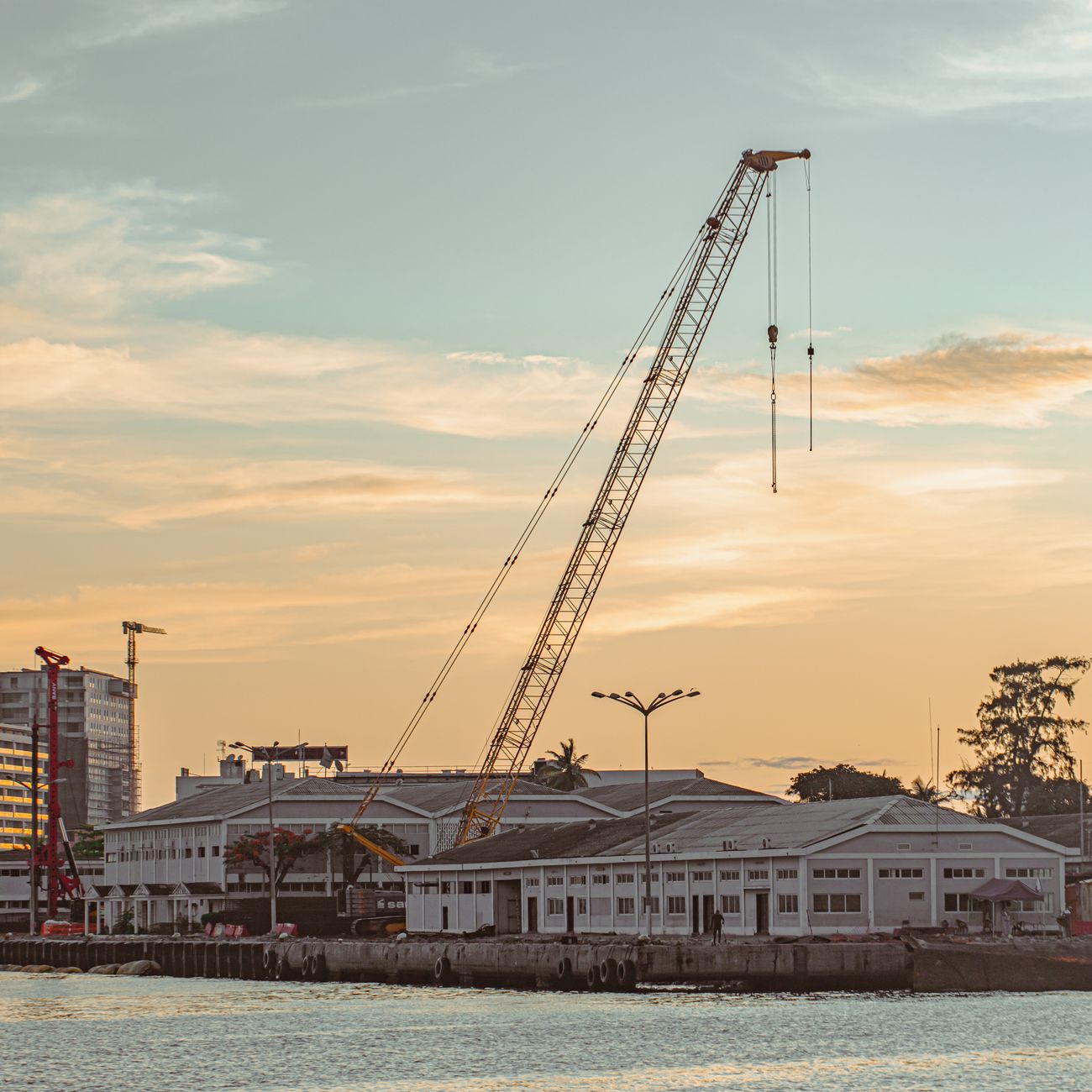
Barge Crane – Concept #
floating crane mounted on a barge platform. Related terms: gantry crane, lift capacity. Explanation: a fixed or telescopic boom provides high‑capacity lifts over water, often exceeding 500 t. Example: removing a broken superstructure from a capsized ferry. Application: heavy‑equipment removal where shore cranes cannot reach. Challenges: ensuring barge stability under dynamic loads and wind.
Barometric Pressure Gauge – Concept #
device measuring ambient pressure. Related terms: depth gauge, dive computer. Explanation: indicates water depth by converting pressure readings; essential for divers planning safe ascent rates. Example: monitoring pressure during a 30 m hull inspection. Application: preventing decompression sickness. Challenges: calibration drift in saltwater and temperature variations.
Beaching Gear – Concept #
equipment used to intentionally run a vessel ashore for salvage. Related terms: grounding procedure, beach ramps. Explanation: includes reinforced hull plates, winches, and sandbags to control the beaching angle. Example: beaching a small tug to prevent sinking in a storm. Application: facilitating repairs in shallow water. Challenges: environmental impact and potential hull damage.
Buoyancy Engine – Concept #
system generating lift through controlled air release. Related terms: compressed air system, lift bags. Explanation: uses compressors to fill buoyancy bags attached to a wreck, providing incremental lift. Example: raising a sunken barge in a harbor. Application: modular lift operations where crane access is unavailable. Challenges: limited air supply and risk of bag rupture.
Cable Reel – Concept #
device storing and dispensing steel or synthetic ropes. Related terms: winch, towing line. Explanation: motor‑driven drums manage tension and length of towing cables. Example: deploying a 2 km tow line to a stranded cargo ship. Application: long‑distance salvage towing. Challenges: cable fatigue and spooling under high tension.
Chain Locker – Concept #
storage area for heavy steel chains used in anchoring or towing. Related terms: chain hoist, mooring. Explanation: reinforced compartments keep chains organized and protected from corrosion. Example: storing 500 mm anchor chain for a salvage tug. Application: rapid deployment of anchoring systems. Challenges: weight distribution and corrosion control.
Chafe Guard – Concept #
protective sleeve preventing rope wear. Related terms: rope protector, abrasion. Explanation: typically made of hard rubber or metal, it slides over high‑stress points on cables. Example: installing a chafe guard on a winch sheave. Application: extending rope life during prolonged salvage lifts. Challenges: fitting to varied rope diameters and ensuring smooth operation.
Clearance Survey – Concept #
underwater inspection to assess obstacles. Related terms: sonar scan, site assessment. Explanation: divers or ROVs map the seabed and wreck to identify hazards before lifting. Example: surveying a collapsed hull before crane deployment. Application: planning safe lift paths. Challenges: limited visibility and complex debris fields.
Clump Weight – Concept #
heavy ballast used to stabilize a vessel during salvage. Related terms: ballast weight, stability. Explanation: iron or concrete blocks are positioned to lower the centre of gravity. Example: adding clump weights to a salvage tug before heavy lifting. Application: improving roll resistance. Challenges: handling and positioning large masses safely.
Coiled Pipe – Concept #
flexible tubing stored in a coil for fluid transfer. Related terms: hoses, suction line. Explanation: used to pump oil, water, or fuel from a damaged vessel. Example: deploying a 100 m coiled pipe to extract fuel from a sunken tanker. Application: environmental protection. Challenges: avoiding kinks and maintaining pressure.
Compressed Air Supply – Concept #
source of high‑pressure air for tools and lift bags. Related terms: air compressor, pneumatic system. Explanation: compressors generate air stored in cylinders for salvage equipment. Example: powering a series of lift bags on a submerged hull. Application: modular lifting operations. Challenges: ensuring air purity to prevent corrosion.
Controlled Flooding – Concept #
intentional water intake to lower a vessel’s draft. Related terms: ballasting, trim adjustment. Explanation: water is pumped into designated tanks to submerge the ship for docking or repair. Example: flooding a salvage tug to align with a low‑lying dock. Application: facilitating cargo loading. Challenges: precise control to avoid over‑flooding.
Crane Hook – Concept #
device at the end of a crane’s boom for attaching loads. Related terms: load block, safety latch. Explanation: rated for specific load capacities and equipped with safety mechanisms. Example: a 250 t hook used to lift a broken superstructure. Application: primary lifting point in salvage. Challenges: regular inspection for metal fatigue.
Crane Jib – Concept #
extendable arm attached to the main crane boom. Related terms: boom extension, reach. Explanation: provides additional horizontal reach for lifting over obstacles. Example: a 15 m jib enabling a crane to lift a cargo container from a ship’s side. Application: accessing hard‑to‑reach areas. Challenges: increased sway and load moment.
Deck Reinforcement – Concept #
structural strengthening of a vessel’s deck. Related terms: girder, load distribution. Explanation: additional steel plates or beams are installed to support heavy equipment. Example: reinforcing a salvage tug’s deck before mounting a 500 t crane. Application: preventing deck deformation. Challenges: weight addition and balance.
Diving Bell – Concept #
pressurised chamber used for underwater work. Related terms: habitat, saturation diving. Explanation: provides a dry environment at depth, allowing workers to exit the bell for limited periods. Example: using a bell to inspect a ship’s forward bulkhead at 50 m. Application: extended underwater tasks. Challenges: maintaining pressure integrity and safe ascent.
Dynamic Positioning System – Concept #
computer‑controlled thrusters maintaining vessel position. Related terms: DP, station‑keeping. Explanation: uses GPS, gyrocompasses, and thruster inputs to counteract wind and currents. Example: a DP‑2 salvage vessel holding position over a wreck for ROV work. Application: precise maneuvering without anchors. Challenges: high fuel consumption and system redundancy.
Emergency Tow Line – Concept #
standby rope for rapid towing. Related terms: quick‑release, rescue. Explanation: pre‑connected to the towing winch, ready for immediate deployment. Example: a 500 m high‑strength line kept on deck for emergency response. Application: quick reaction to drifting vessels. Challenges: ensuring the line is free of damage and properly coiled.
Engine Room Dewatering – Concept #
removal of water from a flooded engine compartment. Related terms: pumping system, bilge. Explanation: high‑capacity pumps extract water to restore buoyancy and enable repairs. Example: dewatering a cargo ship’s engine room after a hull breach. Application: stabilising the vessel for salvage. Challenges: dealing with contaminated water and limited access.
Environmental Impact Assessment – Concept #
study evaluating potential ecological effects of salvage operations. Related terms: EIA, mitigation. Explanation: identifies risks to marine life, water quality, and habitats, proposing protective measures. Example: assessing oil spill risks before cutting a wreck. Application: complying with regulations and obtaining permits. Challenges: limited baseline data and time‑sensitive operations.
Explosive Cutting – Concept #
using controlled charges to sever metal structures. Related terms: linear shaped charge, demolition. Explanation: charges are placed on hull plates and detonated to create clean cuts. Example: cutting a compromised deck to remove a damaged section. Application: rapid access in confined spaces. Challenges: ensuring blast containment and preventing secondary damage.
Fall‑away Winch – Concept #
winch designed to release load under overload conditions. Related terms: over‑load protection, safety. Explanation: a spring‑loaded mechanism disengages the rope when tension exceeds a set limit. Example: a fall‑away winch on a salvage crane preventing cable snap. Application: protecting equipment and personnel. Challenges: regular testing and proper setting.
Fast‑Rescue Boat – Concept #
small, high‑speed craft for personnel recovery. Related terms: RHIB, rescue. Explanation: equipped with inflatable hull, powerful engine, and rescue equipment. Example: deploying a fast‑rescue boat to retrieve divers from a sinking vessel. Application: emergency response. Challenges: sea‑state limitations and limited cargo capacity.
Fire‑Suppression System – Concept #
onboard equipment to extinguish fires. Related terms: CO₂ system, safety. Explanation: includes extinguishers, hoses, and automatic detectors. Example: using CO₂ to suppress a fuel fire on a damaged tanker. Application: protecting salvage crews and equipment. Challenges: ensuring system readiness and proper training.
Fish Plate – Concept #
steel plate welded to a hull to reinforce a damaged area. Related terms: patch plate, repair. Explanation: custom‑fabricated to match hull curvature and welded in place. Example: installing a fish plate over a breached hull section. Application: temporary watertight repair. Challenges: achieving proper fit and weld quality underwater.
Floating Dry Dock – Concept #
mobile structure used to raise vessels out of water. Related terms: submersible dock, shipyard. Explanation: ballasted down, the dock submerges, the vessel is floated in, then water is pumped out to lift the ship. Example: using a floating dry dock to service a salvaged cargo ship. Application: comprehensive repairs without shore facilities. Challenges: docking alignment and structural integrity under load.
Floating Pump – Concept #
pump mounted on a barge for water removal. Related terms: dewatering, suction. Explanation: powered by diesel engines, capable of moving thousands of litres per minute. Example: a 2 000 m³/h floating pump used to dewater a flooded ferry. Application: rapid flood control. Challenges: suction head limitations and debris blockage.
Foam Mattress – Concept #
flexible foam placed under a hull to distribute load. Related terms: load spreader, cushioning. Explanation: reduces point pressure during lifts, protecting the hull. Example: positioning foam mattresses under a sunken yacht before crane lift. Application: preventing hull deformation. Challenges: ensuring adequate thickness and preventing slippage.
Fouling Removal Tool – Concept #
equipment for cleaning marine growth from hulls. Related terms: scrubber, hull maintenance. Explanation: high‑pressure water jets or mechanical brushes remove barnacles and algae. Example: cleaning a salvaged vessel before repainting. Application: reducing drag and improving stability. Challenges: access to confined areas and environmental discharge.
Framing Reinforcement – Concept #
additional structural members added to a ship’s frame. Related terms: scantling, strengthening. Explanation: steel angles or plates are bolted or welded to increase rigidity. Example: reinforcing the deck frame of a cargo ship before heavy lifting. Application: preventing structural failure. Challenges: added weight and interference with other equipment.
Fresnel Lens – Concept #
optical device concentrating light for night operations. Related terms: searchlight, illumination. Explanation: a large, flat lens focuses a powerful lamp into a narrow beam. Example: using a Fresnel lens to illuminate a wreck at night. Application: improving visual assessment. Challenges: lens cleaning and power supply.
Fuel Transfer Pump – Concept #
pump used to move fuel between tanks or vessels. Related terms: oil transfer, hazardous material. Explanation: sealed, corrosion‑resistant units prevent leaks. Example: pumping fuel from a damaged tanker to a containment barge. Application: reducing fire risk. Challenges: handling volatile liquids and preventing spills.
Garbage Disposal System – Concept #
equipment for managing waste generated during salvage. Related terms: waste management, environmental compliance. Explanation: includes compactors and storage tanks for debris and contaminated material. Example: storing broken hull sections for later disposal. Application: maintaining site cleanliness. Challenges: adhering to regulations and limited storage space.
General Arrangement Plan – Concept #
schematic showing layout of equipment on a vessel. Related terms: GA drawing, layout. Explanation: details placement of cranes, winches, and safety zones. Example: reviewing the GA plan before a salvage operation to locate emergency exits. Application: ensuring efficient workflow. Challenges: updating plans for ad‑hoc modifications.
Gimbal Stabiliser – Concept #
device that keeps equipment level on a moving vessel. Related terms: gyro‑stabiliser, leveling. Explanation: uses motor‑driven pivots to counteract roll and pitch. Example: mounting a sonar array on a gimbal to maintain accurate readings. Application: improving data quality. Challenges: power consumption and maintenance of moving parts.
Gravitational Lift – Concept #
using weight and buoyancy to raise a submerged object. Related terms: counter‑weight, physics. Explanation: combines heavy ballast with lift bags to achieve net upward force. Example: employing a 10 t counter‑weight and lift bags to raise a small barge. Application: low‑technology salvage where cranes are unavailable. Challenges: precise calculation of forces and safety margins.
Ground Penetrating Radar (GPR) – Concept #
non‑destructive tool for detecting buried objects. Related terms: sub‑surface imaging, detection. Explanation: emits radio waves that reflect off different materials, creating a profile of the seabed. Example: locating buried pipelines beneath a wreck. Application: planning excavation. Challenges: signal attenuation in salty water.
Guided Tow Cable – Concept #
cable equipped with sensors for monitoring tension and angle. Related terms: load monitoring, telemetry. Explanation: integrates strain gauges and GPS modules to provide real‑time data. Example: using a guided tow cable to tow a disabled vessel while avoiding excessive strain. Application: enhancing tow safety. Challenges: cable durability and data transmission reliability.
Harbor Pilot – Concept #
specialist who navigates vessels in confined waters. Related terms: pilotage, navigation. Explanation: possesses local knowledge of tides, currents, and hazards. Example: a pilot guiding a salvage tug into a narrow port entrance. Application: ensuring safe vessel movement. Challenges: coordination with salvage crews and time‑critical operations.
Heavy‑Lift Vessel – Concept #
ship designed to transport and lift extremely large loads. Related terms: semi‑submersible, crane ship. Explanation: equipped with massive cranes or ballasting systems to submerge and lift. Example: a 10 000 t heavy‑lift vessel used to recover a sunken oil platform module. Application: handling oversized wrecks. Challenges: limited availability and high operational costs.
Hydraulic Jack – Concept #
device that converts hydraulic pressure into lifting force. Related terms: hydraulic press, lift. Explanation: cylinders extend under pressure, raising loads incrementally. Example: using hydraulic jacks to level a floating crane deck. Application: precise load positioning. Challenges: maintaining fluid cleanliness and avoiding leaks.
Hydraulic Winch – Concept #
winch powered by hydraulic fluid. Related terms: hydraulic system, cable handling. Explanation: provides smooth, controllable tension for raising or lowering equipment. Example: a hydraulic winch operating a 200 t crane on a salvage vessel. Application: heavy‑load management. Challenges: ensuring adequate hydraulic pressure and preventing overheating.
Impact Tether – Concept #
strong line used to restrain a moving object. Related terms: mooring line, safety. Explanation: absorbs kinetic energy during sudden movements, preventing damage. Example: attaching an impact tether to a floating crane during storm conditions. Application: enhancing stability. Challenges: selecting appropriate strength and elasticity.
Inert Gas System – Concept #
system supplying non‑combustible gas to prevent fire. Related terms: nitrogen blanket, safety. Explanation: floods cargo holds with inert gas to displace oxygen. Example: using an inert gas system on a tanker to prevent explosion during salvage. Application: fire prevention. Challenges: maintaining gas concentration and monitoring.
Inspection Drone – Concept #
unmanned aerial vehicle for visual assessment. Related terms: UAV, reconnaissance. Explanation: equipped with high‑resolution cameras and thermal sensors. Example: flying a drone over a wreck to locate damaged sections. Application: rapid site overview. Challenges: limited flight time and weather dependence.
Jettison System – Concept #
mechanism for discarding equipment or cargo quickly. Related terms: release valve, emergency. Explanation: uses explosive bolts or hydraulic releases to detach loads. Example: jettisoning a damaged cargo container to prevent sinking. Application: reducing risk in emergencies. Challenges: ensuring controlled release and avoiding collateral damage.
Kite‑Sail Power Assist – Concept #
using large kites to provide additional thrust. Related terms: wind assist, propulsion. Explanation: kites capture wind energy, reducing fuel consumption during towing. Example: fitting a salvage tug with a kite system for long‑duration tow. Application: eco‑friendly power augmentation. Challenges: kite handling in variable wind and regulatory acceptance.
Lift Bag – Concept #
inflatable device providing buoyant lift. Related terms: airbag lift, buoyancy. Explanation: filled with compressed air, the bag creates upward force proportional to its volume. Example: using multiple lift bags to raise a sunken fishing boat. Application: modular lifting in shallow waters. Challenges: ensuring uniform inflation and preventing over‑pressure.
Lift Crane – Concept #
crane specifically designed for salvage lifting. Related terms: salvage crane, heavy lift. Explanation: features high load capacity, reinforced boom, and anti‑sway systems. Example: a 500 t lift crane mounted on a salvage barge. Application: removing large sections of wreckage. Challenges: stability under dynamic sea conditions.
Lift Co‑ordination Plan – Concept #
detailed schedule and methodology for a lift operation. Related terms: lift plan, sequencing. Explanation: outlines equipment, load distribution, communication protocols, and safety measures. Example: a lift co‑ordination plan for extracting a broken engine from a capsized vessel. Application: ensuring synchronized actions. Challenges: adapting to changing site conditions.
Lift Point – Concept #
designated location on a wreck where lifting force is applied. Related terms: attachment point, rigging. Explanation: selected based on structural integrity and load path. Example: installing a lift point on the deck beam of a cargo ship. Application: safe load transfer. Challenges: assessing strength of aging structures.
Load Block – Concept #
heavy steel block used as a temporary anchor for lifting. Related terms: deadweight, ballast. Explanation: placed on the seabed to provide a stable counter‑weight. Example: using a 20 t load block to balance a crane during a lift. Application: stabilising lifts in deep water. Challenges: precise positioning and retrieval after operation.
Load Monitoring System – Concept #
electronic system tracking tension and weight during lifts. Related terms: strain gauge, telemetry. Explanation: provides real‑time data to operators, preventing overload. Example: a load monitoring system alerting when a crane approaches its limit. Application: enhancing safety. Challenges: sensor calibration and data latency.
Location Beacon – Concept #
device emitting a signal to mark a wreck’s position. Related terms: transponder, GPS. Explanation: transmits acoustic or radio signals for tracking. Example: attaching a beacon to a sunken hull for continuous monitoring. Application: facilitating re‑location. Challenges: battery life and signal interference.
Marine Diesel Engine – Concept #
internal‑combustion engine used on salvage vessels. Related terms: propulsion, powerplant. Explanation: provides high torque for towing and maneuvering. Example: a 6 000 kW marine diesel engine on a salvage tug. Application: reliable propulsion. Challenges: fuel consumption and maintenance in harsh environments.
Marine Firefighting Foam – Concept #
foam used to suppress oil and fuel fires. Related terms: AFFF, fire suppression. Explanation: creates a blanket that isolates fuel from oxygen. Example: deploying foam on a leaking tanker during salvage. Application: rapid fire control. Challenges: foam runoff and environmental impact.
Marine Salvage Manual – Concept #
reference guide covering standards and procedures. Related terms: guidelines, best practices. Explanation: includes chapters on equipment, safety, and case studies. Example: consulting the manual before initiating a complex lift. Application: ensuring compliance and knowledge sharing. Challenges: keeping content up‑to‑date with evolving technology.
Marine Surveyor – Concept #
professional who assesses vessel condition. Related terms: inspection, certification. Explanation: evaluates structural integrity, cargo status, and environmental compliance. Example: a surveyor inspecting a damaged bulk carrier before salvage. Application: providing expert advice. Challenges: limited access and time pressures.
Material Handling Crane – Concept #
crane used for moving non‑structural items. Related terms: forklift, hoist. Explanation: equipped with spreader bars and hooks for cargo. Example: using a material handling crane to offload containers from a wreck. Application: clearing debris. Challenges: load stability and deck space.
Mechanical Winch – Concept #
winch driven by electric or diesel motor. Related terms: cable reel, hoist. Explanation: provides controlled tension for towing or lifting. Example: a mechanical winch pulling a disabled vessel into a safe anchorage. Application: versatile load handling. Challenges: wear on gears and cable fatigue.
Metal Cutting Torch – Concept #
torch using oxy‑acetylene or plasma to cut metal. Related terms: cutting torch, welding. Explanation: produces high‑temperature flame to slice through steel. Example: cutting a hull plate to remove a damaged section. Application: rapid structural modification. Challenges: fire risk and need for skilled operators.
Mine Clearance Diver – Concept #
diver trained to locate and neutralise underwater mines. Related terms: UXO, EOD. Explanation: uses sonar, ROVs, and manual tools to disarm explosives. Example: a mine clearance diver working on a warship wreck. Application: ensuring safe salvage zones. Challenges: high risk and limited operational depth.
Multipurpose ROV – Concept #
remotely operated vehicle equipped for various tasks. Related terms: underwater drone, inspection. Explanation: features manipulators, cameras, and sonar for inspection, cutting, and sampling. Example: deploying a multipurpose ROV to attach lift bags to a wreck. Application: extending human capability underwater. Challenges: tether management and limited battery life.
Oil Skimmer – Concept #
device for recovering oil from water surfaces. Related terms: spill response, containment. Explanation: uses sorbent belts or vacuum systems to collect oil. Example: an oil skimmer deployed after a tanker breach. Application: environmental protection. Challenges: efficiency in rough seas and oil‑water separation.
On‑Board Hospital – Concept #
medical facility aboard a salvage vessel. Related terms: medbay, first aid. Explanation: equipped with treatment beds, medication, and emergency equipment. Example: treating a diver with decompression sickness on a salvage tug. Application: immediate medical response. Challenges: limited space and need for trained personnel.
Operational Safety Plan – Concept #
document outlining safety measures for a salvage mission. Related terms: risk assessment, SOP. Explanation: includes hazard identification, emergency procedures, and PPE requirements. Example: an operational safety plan for a night‑time lift. Application: reducing accidents. Challenges: keeping the plan current with dynamic conditions.
Over‑Board Pump – Concept #
pump that discharges fluid directly overboard. Related terms: discharge pump, waste management. Explanation: used for non‑hazardous water removal. Example: pumping seawater from a flooded hold onto the ocean surface. Application: clearing spaces quickly. Challenges: ensuring compliance with discharge regulations.
Paraview System – Concept #
visualisation tool for 3‑D modelling of wreck sites. Related terms: CAD, simulation. Explanation: integrates sonar data to create immersive models. Example: using Paraview to plan lift points on a complex wreck. Application: improving decision‑making. Challenges: data processing time and software expertise.
Partial Load Lift – Concept #
lifting a structure in stages rather than as a whole. Related terms: staged lift, modular. Explanation: reduces stress on equipment and the wreck. Example: lifting a ship’s bow first, then the remaining hull. Application: handling fragile or oversized objects. Challenges: coordination and ensuring structural stability between stages.
Passenger Rescue Boat – Concept #
small craft designed to evacuate passengers from distressed vessels. Related terms: lifeboat, evacuation. Explanation: features high capacity and easy boarding. Example: deploying a passenger rescue boat to evacuate crew from a capsized ferry. Application: mass rescue. Challenges: rapid deployment and sea‑state limitations.
Petroleum Recovery Skimmer – Concept #
specialised skimmer for heavy oil recovery. Related terms: oil spill response, recovery. Explanation: uses rotating drums to collect viscous oil. Example: recovering crude oil from a leaking offshore platform. Application: minimizing environmental impact. Challenges: handling emulsified oil and equipment fouling.
Petroliferous Cargo Containment – Concept #
systems for safely storing petroleum cargo during salvage. Related terms: cargo tanks, containment. Explanation: includes double‑hull barriers and venting. Example: sealing cargo tanks on a damaged tanker before towing. Application: preventing leaks. Challenges: maintaining integrity under impact.
Photogrammetry Survey – Concept #
technique using photographs to create 3‑D models. Related terms: image-based modelling, mapping. Explanation: overlapping images are processed to generate accurate surface geometry. Example: photogrammetry of a wreck’s deck to assess damage. Application: detailed documentation. Challenges: lighting conditions and water clarity.
Pipe Laying Crane – Concept #
crane equipped to handle large diameter pipelines. Related terms: pipe handling, offshore. Explanation: features specialized spreader bars and tensioners. Example: using a pipe laying crane to install a relief line on a damaged vessel. Application: structural reinforcement. Challenges: pipe alignment and weight distribution.
Platform Supply Vessel – Concept #
ship that transports goods and equipment to offshore platforms. Related terms: PSV, logistics. Explanation: carries fuel, water, and salvage gear. Example: a PSV delivering pumps and containers to a salvage site. Application: logistical support. Challenges: coordination with offshore conditions and limited deck space.
Plasma Cutter – Concept #
tool using ionised gas to cut metal. Related terms: thermal cutting, precision. Explanation: produces a focused arc that melts and blows away metal. Example: plasma cutting a damaged hull plate for removal. Application: fast, precise cuts. Challenges: power requirements and safety shielding.
Plumb Line Survey – Concept #
measurement of depth using a weighted line. Related terms: depth sounding, bathymetry. Explanation: a line with a weight is lowered, and length is measured to determine seafloor depth. Example: a plumb line survey to verify seabed conditions before anchoring. Application: simple depth assessment. Challenges: line drift and limited accuracy.
Portable Decompression Chamber – Concept #
mobile unit for treating divers with decompression sickness. Related terms: hyperbaric chamber, medical. Explanation: provides pressurised environment to accelerate inert gas elimination. Example: using a portable chamber on a salvage vessel after a deep dive. Application: immediate treatment. Challenges: transport logistics and maintenance.
Power Trawl – Concept #
towing device that drags equipment through water for debris removal. Related terms: drag net, salvage. Explanation: powered by winches to pull collection nets. Example: a power trawl used to gather scattered cargo from a wreck site. Application: clearing debris. Challenges: entanglement and equipment wear.
Pressure Relief Valve – Concept #
valve that automatically releases excess pressure. Related terms: PRV, safety. Explanation: prevents system over‑pressurisation by venting fluid. Example: a pressure relief valve on a hydraulic lift system. Application: protecting equipment integrity. Challenges: proper sizing and regular testing.
Propeller Guard – Concept #
protective structure around a propeller. Related terms: propeller shroud, safety. Explanation: prevents entanglement with debris or divers. Example: fitting a propeller guard on a salvage tug operating near wreckage. Application: reducing damage risk. Challenges: maintaining propulsion efficiency.
Pump‑Jack – Concept #
mechanical device using reciprocating motion to lift fluids. Related terms: reciprocating pump, oil extraction. Explanation: commonly used in offshore platforms to raise oil. Example: employing a pump‑jack to transfer oil from a damaged tanker’s cargo tanks. Application: controlled fluid movement. Challenges: mechanical wear and alignment.
Radiation Detector – Concept #
instrument for measuring ionising radiation. Related terms: Geiger counter, safety. Explanation: detects gamma, beta, or alpha radiation levels. Example: scanning a wreck for radioactive cargo. Application: hazard identification. Challenges: shielding and calibration.
Recovery Barge – Concept #
flat‑bottomed vessel used to retrieve objects from the seabed. Related terms: salvage barge, lift. Explanation: equipped with cranes, winches, and storage holds. Example: a recovery barge lifting a sunken container. Application: bulk retrieval. Challenges: stability and deck load limits.
Recovery Rope – Concept #
strong line used to pull objects to the surface. Related terms: towing line, lift. Explanation: often made of high‑modulus synthetic fibers for lightweight strength. Example: a 100 mm recovery rope attached to a submerged vehicle. Application: lifting large objects. Challenges: abrasion resistance and UV degradation.
Refloat Pump – Concept #
high‑capacity pump used to dewater and increase buoyancy. Related terms: dewatering pump, salvage. Explanation: removes water from flooded compartments to restore lift. Example: a refloat pump removing 5 000 m³ of water from a capsized vessel. Application: preparing a ship for tow. Challenges: suction head and debris blockage.
Regasification Unit – Concept #
equipment that converts liquefied gas back to gas form. Related terms: LNG, processing. Explanation: uses heat exchangers to vaporise LNG for safe handling. Example: regasifying LNG from a damaged carrier before transfer. Application: reducing hazardous liquid cargo. Challenges: thermal efficiency and safety.
Remote‑Operated Camera – Concept #
underwater camera controlled from the surface. Related terms: ROV camera, inspection. Explanation: provides live video feed for assessment. Example: a remote‑operated camera inspecting a hull breach. Application: visual guidance for divers. Challenges: low light and murky water.
Rescue Diver – Concept #
diver specialized in emergency response. Related terms: SAR diver, rescue. Explanation: trained in swift water rescue, first aid, and equipment deployment. Example: a rescue diver extracting a trapped crew member from a sinking vessel. Application: life‑saving operations. Challenges: rapid deployment and limited dive time.
Riser Pipe – Concept #
vertical pipe used to transport fluids between sea surface and seabed. Related terms: flowline, offshore. Explanation: can be used to pump water or oil during salvage. Example: a riser pipe delivering fresh water to a submerged platform. Application: fluid transfer. Challenges: pressure management and corrosion.
Roll‑On/Roll‑Off (RoRo) Vessel – Concept #
ship designed for wheeled cargo loading via ramps. Related terms: car carrier, transport. Explanation: facilitates rapid loading and unloading of vehicles. Example: using a RoRo vessel to transport salvaged cars from a wreck. Application: efficient cargo movement. Challenges: compatibility with damaged cargo.
Rope Tensioner – Concept #
device that maintains constant tension on a rope. Related terms: winch, load control. Explanation: uses springs or hydraulic cylinders to adjust tension automatically. Example: a rope tensioner on a towing winch preventing slack. Application: smooth towing operations. Challenges: calibration and wear.
Rotary Salvage Cutter – Concept #
rotating blade system for cutting large structural elements. Related terms: rotary saw, demolition. Explanation: powered by hydraulics or electricity, capable of cutting through thick steel. Example: a rotary salvage cutter used to sever a ship’s foremast. Application: rapid dismantling. Challenges: power supply and blade wear.
Rudder Damage Assessment – Concept #
evaluation of damage to a vessel’s steering mechanism. Related terms: steering assessment, inspection. Explanation