
Hazard Identification and Control in Film Environments (United Kingdom)
Expert-defined terms from the Graduate Certificate in Health and Safety Management for Film Productions (United Kingdom) course at HealthCareCourses (An LSIB brand). Free to read, free to share, paired with a professional course.
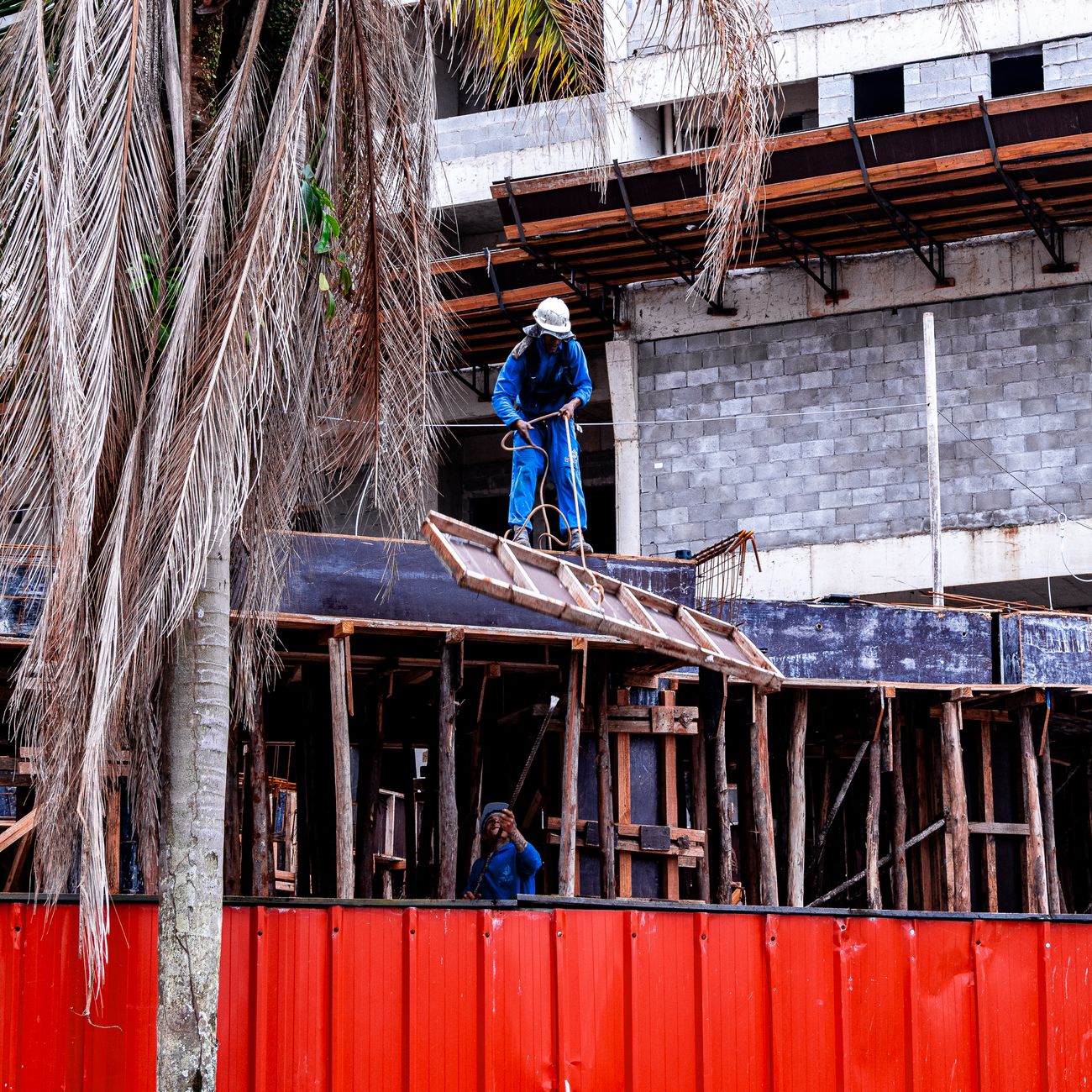
Accident – Concept #
Unplanned event causing injury, property damage, or production delay. Related terms: Incident, Near miss. Explanation: In film environments, accidents can result from equipment failure, improper set construction, or unsafe work practices. Example: A crew member slips on a wet set floor and fractures a wrist, halting the shoot for medical attention and equipment repair. Practical application: Conduct daily safety briefings, enforce proper housekeeping, and maintain incident reporting logs. Challenges: Balancing tight shooting schedules with thorough risk assessments and ensuring all subcontractors adhere to the same safety standards.
Aerial Work Platform – Concept #
Mobile device that provides temporary access to elevated work areas. Related terms: Scissor lift, Boom lift. Explanation: Used for lighting, rigging, and set construction, these platforms can present fall, tip‑over, and electrical hazards. Example: A gaffer uses a scissor lift to position a HMI light on a high truss; improper positioning leads to the platform tipping. Practical application: Perform pre‑use inspections, verify load capacity, and use fall arrest systems when height exceeds 2 m. Challenges: Limited space on location sets, variable ground conditions, and the need for quick repositioning between shots.
Aesthetic Hazard – Concept #
Visual element that creates a perception of danger, potentially distracting crew. Related terms: Visual clutter, Set design risk. Explanation: Overly bright colors or stark contrasts may cause visual fatigue or misinterpretation of safety signage. Example: A set painted with high‑contrast stripes may mask floor markings indicating a wet surface. Practical application: Coordinate with art department to integrate safety colors without compromising visual style. Challenges: Reconciling artistic vision with safety compliance, especially on period or fantasy productions.
Alarm System – Concept #
Electronic system that alerts personnel to emergencies. Related terms: Fire alarm, Evacuation alarm. Explanation: Alarm systems must be audible across noisy sets and compatible with outdoor locations. Example: A fire alarm fails to activate during a set fire due to inadequate speaker placement, delaying evacuation. Practical application: Conduct sound level checks, integrate backup visual alarms, and test systems daily. Challenges: Power supply reliability in remote locations and ensuring all crew members recognize alarm signals amidst production noise.
Ammunition – Concept #
Explosive material used for prop firearms. Related terms: Blank rounds, Prop weapons. Explanation: Improper handling can cause accidental discharge or ricochet injuries. Example: An actor fires a prop gun loaded with live ammunition, resulting in a fatal injury. Practical application: Strictly enforce the use of blanks, maintain a licensed armorer, and keep a detailed ammunition log. Challenges: Differing regulations across jurisdictions and ensuring all personnel understand the distinction between blanks and live rounds.
Anchor Point – Concept #
Fixed location designed to support a load. Related terms: Rigging point, Structural anchor. Explanation: Anchor points are essential for suspending lighting rigs, set pieces, and safety harnesses. Example: A rigging crew attaches a heavy backdrop to a wall anchor rated for 500 kg, but the actual load is 800 kg, leading to anchor failure. Practical application: Verify load ratings, use certified hardware, and document anchor inspections. Challenges: Identifying suitable anchors in historic buildings and assessing load distribution on temporary structures.
Arc Flash – Concept #
Electrical explosion caused by a high‑current fault. Related terms: Electrical arc, Flashover. Explanation: High‑intensity light and heat can cause severe burns and equipment damage. Example: A technician inadvertently contacts a live 480 V cable while adjusting a lighting fixture, resulting in an arc flash. Practical application: De‑energize circuits, apply lockout/tagout, and wear arc‑rated clothing. Challenges: Rapidly changing power demands on set and the need for portable generators that may lack proper grounding.
Asbestos – Concept #
Fibrous mineral once used for insulation and fireproofing. Related terms: Hazardous material, Fibrous silicate. Explanation: Disturbance during set demolition can release airborne fibers, posing long‑term health risks. Example: A demolition crew removes a wall containing asbestos without proper containment, exposing crew to inhalation hazards. Practical application: Conduct asbestos surveys before construction, engage licensed abatement contractors, and provide respiratory protection. Challenges: Older locations often lack documentation, and budget constraints may pressure crews to bypass thorough testing.
Audience Safety – Concept #
Measures protecting spectators during live filming or screenings. Related terms: Public safety, Crowd control. Explanation: Crowds can be affected by set debris, pyrotechnics, or vehicle movements. Example: A live audience watches a stunt involving a car jump; inadequate barriers allow spectators to enter the danger zone. Practical application: Install barriers, assign stewards, and communicate safety zones via signage. Challenges: Balancing audience engagement with safety, especially in immersive or interactive productions.
Backlot – Concept #
Permanent outdoor set area with multiple built environments. Related terms: Studio lot, Production facility. Explanation: Backlots host diverse sets, requiring coordinated hazard identification across different structures. Example: A fire breaks out on a wooden façade used as a street set, threatening adjacent sets. Practical application: Develop a backlot‑wide fire response plan, conduct regular inspections, and maintain clear access routes. Challenges: Managing simultaneous shoots on adjacent sets and preventing cross‑contamination of hazards.
Battery – Concept #
Portable source of electrical energy. Related terms: Power pack, Energy storage. Explanation: Batteries can leak hazardous chemicals, overheat, or explode if mishandled. Example: A camera battery overheats during a long shoot, causing a fire near a set dressing. Practical application: Store batteries in fire‑resistant containers, monitor charging cycles, and use approved chargers. Challenges: Managing large numbers of batteries for extended shoots and ensuring proper disposal of spent units.
Boiler – Concept #
Device that generates steam for set heating or effects. Related terms: Steam generator, Pressure vessel. Explanation: Boilers operate under pressure and can cause burns or explosions if pressure relief fails. Example: A malfunctioning boiler releases steam onto a crew, causing scald injuries. Practical application: Regularly inspect pressure gauges, maintain safety valves, and train operators in emergency shutdown procedures. Challenges: Limited space for boiler placement on location and the need for quick set changes.
Box Camera – Concept #
Traditional rectangular film or digital camera housing. Related terms: Camera rig, Camera support. Explanation: Box cameras can be heavy, creating ergonomic strain for operators. Example: A cinematographer repeatedly lifts a heavy digital box camera without assistance, developing lower back pain. Practical application: Use dollies, shoulder rigs, or motorized supports to reduce manual handling. Challenges: Balancing camera stability with mobility during dynamic shots.
Cable – Concept #
Electrical or data conduit used for power and signal transmission. Related terms: Power cord, Data cable. Explanation: Cables pose tripping, electrical shock, and fire hazards if damaged. Example: A crew member trips over an un‑secured high‑voltage cable, sustaining a sprain. Practical application: Route cables away from walkways, use cable covers, and inspect for wear before each use. Challenges: Limited space on set and the need for rapid re‑configuration between scenes.
Camera Crane – Concept #
Mechanical arm that provides vertical and horizontal camera movement. Related terms: Jib, Telescopic crane. Explanation: Cranes can cause pinch points, falling loads, and instability. Example: A camera crane collapses due to uneven ground, damaging equipment and injuring a grip. Practical application: Conduct ground assessments, use outriggers, and perform pre‑use checks. Challenges: Transporting large crane components to remote locations and adapting to uneven terrain.
Camera Rig – Concept #
Assembly of support equipment for camera operation. Related terms: Rigging, Stabilizer. Explanation: Rigs may include tripods, sliders, and mounts, each presenting potential tipping or collapse hazards. Example: A sliding rig is overloaded with a heavy lens, causing the base to tip over. Practical application: Follow manufacturer load limits, secure all components, and train operators in proper assembly. Challenges: Custom rigs for specific shots increase complexity and require specialized knowledge.
Carbon Monoxide – Concept #
Colorless, odorless gas produced by incomplete combustion. Related terms: CO, Toxic gas. Explanation: CO can accumulate from generators or gas‑powered equipment, leading to poisoning. Example: A diesel generator operates in an enclosed trailer, raising CO levels and causing crew dizziness. Practical application: Use CO detectors, ensure adequate ventilation, and position generators outdoors. Challenges: Detecting CO in noisy environments where alarms may be missed.
Chemical Hazard – Concept #
Danger posed by substances that can cause injury or illness. Related terms: Hazardous material, Toxicity. Explanation: Chemicals used for makeup, prop effects, or cleaning can be corrosive, flammable, or toxic. Example: A prop department uses a solvent without proper PPE, leading to skin burns. Practical application: Maintain Safety Data Sheets (SDS), label containers, and provide appropriate PPE. Challenges: Rapid turnover of chemicals on set and ensuring all crew understand hazard symbols.
Child Labor – Concept #
Employment of minors in a manner that may compromise health, safety, or education. Related terms: Under‑age worker, Youth employment. Explanation: Child actors and crew must be protected from excessive hours, hazardous tasks, and inadequate supervision. Example: A minor is required to operate a motorized doll on set without adult oversight. Practical application: Follow labor laws, limit work hours, and assign a child welfare officer. Challenges: Scheduling constraints and the need for authentic performances may pressure producers to stretch regulations.
Clapperboard – Concept #
Device used to synchronize audio and video and identify takes. Related terms: Slate, Take marker. Explanation: While low‑risk, clapperboards can cause repetitive strain injuries if used improperly. Example: A 1st Assistant Director repeatedly slams the clapperboard with excessive force, developing hand tendonitis. Practical application: Use ergonomic designs and rotate clapperboard duties among crew. Challenges: Maintaining consistency in timing while reducing physical strain.
Coiled Rope – Concept #
Flexible rope wound in a coil for transport and use. Related terms: Rope, Hoist line. Explanation: Coiled ropes can become tangled, leading to trip hazards or compromised load integrity. Example: A grip stores a coiled rope on a low platform, creating a tripping obstacle for actors. Practical application: Store ropes on hooks, keep coils tight, and label storage areas. Challenges: Limited storage space on location and the need for quick access during set changes.
Confined Space – Concept #
Enclosed area with limited entry/exit and potential hazardous atmosphere. Related terms: Enclosed space, Restricted area. Explanation: Confined spaces on set include crawl‑spaces, storage rooms, and built‑in set structures. Example: A crew member enters a crawl‑space beneath a set without atmospheric testing, suffering from oxygen deficiency. Practical application: Conduct permit‑required confined space procedures, monitor gases, and provide rescue equipment. Challenges: Time pressure to access spaces for set adjustments and limited ventilation.
Crew Welfare – Concept #
Overall health, safety, and well‑being of production personnel. Related terms: Personnel safety, Staff welfare. Explanation: Welfare includes access to rest areas, hydration, and mental health resources. Example: Long shooting days without adequate breaks lead to crew fatigue and increased error rates. Practical application: Schedule regular rest periods, provide water stations, and offer counseling services. Challenges: Balancing production timelines with crew needs, especially on low‑budget shoots.
Dailies – Concept #
Footage reviewed each day to assess progress and quality. Related terms: Rushes, Daily review. Explanation: Dailies can involve temporary setups that pose hazards if not properly managed. Example: A temporary lighting rig is left on after the daily review, creating a fire risk. Practical application: Include dailies in the safety checklist, ensuring all temporary equipment is secured or removed. Challenges: Rapid turnover of setups and the temptation to leave equipment in place for convenience.
Diesel Generator – Concept #
Portable power source using diesel fuel. Related terms: Generator, Power supply. Explanation: Generators emit exhaust gases, noise, and vibration, which can affect crew health and set stability. Example: A generator placed too close to a set causes excessive vibration, damaging delicate props. Practical application: Position generators downwind, use sound barriers, and mount on vibration‑isolating pads. Challenges: Fuel availability in remote locations and ensuring proper grounding.
Digital Set – Concept #
Virtual environment created using computer‑generated imagery (CGI). Related terms: Virtual set, Green screen. Explanation: While primarily a visual tool, digital sets may require physical green screens, lighting, and tracking equipment that present physical hazards. Example: A tracking rig is set up on a slippery floor, leading to a fall. Practical application: Secure all physical components, conduct risk assessments for virtual production workflows. Challenges: Rapid integration of new technology and the need for cross‑disciplinary safety communication.
Director's Chair – Concept #
Adjustable seat used by the director during filming. Related terms: Director’s seat, Production chair. Explanation: Improper setup can cause instability and falls. Example: A director’s chair placed on uneven ground tips over when the director leans back. Practical application: Level the chair, use stabilizing feet, and avoid placement on loose surfaces. Challenges: Frequent movement of the chair to different locations on set.
Electrical Hazard – Concept #
Risk of electric shock, arc flash, or fire due to electrical equipment. Related terms: Live wire, Electrical safety. Explanation: Electrical hazards are pervasive in lighting, camera power, and set utilities. Example: A cinematographer plugs a camera into an un‑grounded outlet, receiving a shock. Practical application: Use residual‑current devices (RCDs), enforce lockout/tagout, and conduct regular inspections. Challenges: High‑density power distribution on set and the need for quick re‑configurations.
Emergency Evacuation – Concept #
Planned procedure for removing personnel from danger. Related terms: Evacuation plan, Emergency exit. Explanation: Evacuation routes must be clearly marked and unobstructed. Example: A fire forces evacuation, but a blocked exit delays crew egress, resulting in smoke inhalation. Practical application: Conduct drills, post route maps, and assign wardens. Challenges: Changing set layouts that alter evacuation pathways and limited access points on location.
Emergency Lighting – Concept #
Backup illumination activated during power loss. Related terms: Exit lighting, Backup lights. Explanation: Essential for safe egress in darkened areas. Example: Emergency lights fail during a blackout, causing confusion and delayed evacuation. Practical application: Test batteries regularly, install self‑contained units, and ensure coverage of all exits. Challenges: Maintaining functionality in outdoor sets exposed to weather.
Equipment Tagging – Concept #
System of labeling tools and machinery for identification and maintenance. Related terms: Asset tagging, Inventory control. Explanation: Proper tagging ensures equipment is inspected and serviced. Example: An untagged rigging clamp is used without inspection, leading to failure. Practical application: Apply durable tags with load ratings, keep maintenance records, and conduct audits. Challenges: High turnover of equipment and the need for rapid re‑tagging after each use.
Explosive Hazard – Concept #
Danger from substances capable of rapid combustion or detonation. Related terms: Pyrotechnics, Blasting. Explanation: Used for special effects, explosives require strict control. Example: A pyrotechnic charge is placed too close to a set wall, causing structural damage. Practical application: Secure permits, designate blast zones, and use qualified pyrotechnicians. Challenges: Coordinating with local authorities and maintaining a safe distance in confined locations.
Fire Extinguisher – Concept #
Portable device for suppressing small fires. Related terms: Fire suppression, Fire safety equipment. Explanation: Different classes of extinguishers are required for electrical, flammable liquid, and solid fires. Example: A crew uses a water extinguisher on an electrical fire, causing electrocution. Practical application: Provide appropriate class extinguishers, train staff in use, and conduct monthly checks. Challenges: Ensuring accessibility on large, multi‑stage sets and preventing misuse.
Fire Marshal – Concept #
Individual responsible for fire safety oversight. Related terms: Fire officer, Safety coordinator. Explanation: The fire marshal conducts inspections, coordinates drills, and ensures compliance with fire codes. Example: A fire marshal identifies blocked fire exits during a pre‑shoot inspection and mandates clearance. Practical application: Assign a qualified fire marshal early in production, maintain a fire safety log, and liaise with local fire services. Challenges: Integrating fire marshal duties with other production responsibilities and varying jurisdictional regulations.
Fireworks – Concept #
Pyrotechnic devices used for visual effects. Related terms: Special effects, Pyrotechnics. Explanation: Fireworks generate heat, flame, and debris, requiring controlled environments. Example: A mis‑fired firework ignites nearby set dressing, causing a rapid spread. Practical application: Use approved fireworks, establish clear safety perimeters, and have suppression equipment ready. Challenges: Weather conditions affecting performance and the need for specialized licensing.
Flammable Liquid – Concept #
Liquids with low flash points that can ignite easily. Related terms: Combustible liquid, Hazardous fluid. Explanation: Commonly used for paint, solvents, and special effects. Example: A spilled solvent pool ignites from a nearby light, causing a flash fire. Practical application: Store in approved containers, label with hazard symbols, and keep away from ignition sources. Challenges: Frequent handling on set and ensuring proper disposal.
Gas Cylinder – Concept #
Pressurized container for gases such as CO₂, nitrogen, or acetylene. Related terms: Compressed gas, Cylinder. Explanation: Cylinders can become projectiles if dropped or over‑pressurized. Example: A gas cylinder falls from a height, striking a crew member and causing injury. Practical application: Secure cylinders with chains, use proper lifting techniques, and monitor pressure gauges. Challenges: Limited storage space and the need for quick access during shoots.
Gaffer – Concept #
Chief lighting technician responsible for electrical distribution and lighting design implementation. Related terms: Lighting director, Chief electrician. Explanation: The gaffer coordinates power loads, cable routing, and equipment safety. Example: The gaffer fails to balance load across generators, resulting in a circuit overload and fire. Practical application: Conduct load calculations, use distribution boxes, and maintain clear cable pathways. Challenges: Managing high‑intensity lighting demands while adhering to safety standards.
Hazard Register – Concept #
Document listing identified hazards, risk assessments, and control measures. Related terms: Risk register, Safety register. Explanation: The register serves as a living document throughout production. Example: A hazard for falling rigging is recorded, but the control measure is not implemented, leading to an incident. Practical application: Update register daily, assign responsibility for each control, and review during safety meetings. Challenges: Keeping the register current amid rapid set changes and multiple subcontractors.
Hazardous Materials – Concept #
Substances that pose health or safety risks, including chemicals, gases, and radioactive sources. Related terms: Dangerous goods, Controlled substances. Explanation: Proper identification, storage, and handling are essential. Example: A prop department stores a hazardous chemical in an unlabeled container, leading to accidental exposure. Practical application: Use SDS, label all containers, and segregate incompatible materials. Challenges: High turnover of props and the need for quick identification during fast‑paced productions.
Heat Stress – Concept #
Physiological response to excessive heat exposure, leading to fatigue, dehydration, or heat‑related illness. Related terms: Heat exhaustion, Heat stroke. Explanation: Outdoor shoots in hot climates increase risk. Example: Crew members working under intense lights without hydration develop heat exhaustion. Practical application: Provide water stations, schedule regular breaks, and monitor core temperatures. Challenges: Maintaining production momentum while implementing frequent rest periods.
Heavy Equipment – Concept #
Large machinery such as cranes, forklifts, and earth‑moving devices. Related terms: Machinery, Large plant. Explanation: Heavy equipment can cause crushing injuries and site instability. Example: A forklift overturns on uneven ground, striking a set piece. Practical application: Conduct site surveys, use trained operators, and enforce speed limits. Challenges: Transporting equipment to remote locations and limited maneuvering space.
High Angle – Concept #
Work performed at elevations where a fall could result in serious injury. Related terms: Elevated work, Fall hazard. Explanation: Lighting rigs, set construction, and camera platforms often involve high‑angle tasks. Example: A grip works on a truss 12 m high without fall protection and falls, sustaining severe injuries. Practical application: Use harnesses, guardrails, and safety nets for any work above 2 m. Challenges: Access constraints and the need for rapid setup in time‑sensitive shoots.
HMI Light – Concept #
Hydrargyrum medium‑arc iodide lamp used for high‑intensity lighting. Related terms: HMIs, Film lights. Explanation: HMIs emit UV radiation and generate high heat, creating burn and eye‑damage risks. Example: A crew member adjusts an HMI without eye protection, suffering a retinal burn. Practical application: Provide UV‑blocking goggles, allow cool‑down periods, and use heat shields. Challenges: Frequent repositioning of HMIs for creative lighting changes.
Hot Work – Concept #
Operations involving open flame, welding, or cutting that generate sparks. Related terms: Sparking work, Welding. Explanation: Hot work can ignite flammable materials. Example: A welder performs cutting on a set with nearby foam props, causing a fire. Practical application: Issue hot‑work permits, clear the area of combustibles, and have fire extinguishers ready. Challenges: Coordinating hot work with other set activities and ensuring proper ventilation.
Hydraulic Lift – Concept #
Mechanical device using fluid pressure to raise or lower loads. Related terms: Hydraulic jack, Lift system. Explanation: Hydraulic lifts can fail catastrophically if seals leak or pressure is exceeded. Example: A lift collapses while raising a lighting rig, damaging equipment and injuring a technician. Practical application: Conduct pressure tests, inspect for leaks, and adhere to load limits. Challenges: Maintaining equipment in extreme temperatures and ensuring operator competence.
Inverted Grip – Concept #
Grip positioned beneath a set element to support it from below. Related terms: Under‑hang, Support grip. Explanation: Working beneath loads poses crush and falling object hazards. Example: An inverted grip holds a backdrop that snaps, striking a crew member. Practical application: Use secondary safety supports, verify load distribution, and communicate clear hand signals. Challenges: Limited visibility and the need for quick adjustments during scenes.
Island Set – Concept #
Isolated set built on a location separate from main production areas. Related terms: Remote set, Satellite location. Explanation: Island sets require independent safety provisions, including power, water, and emergency response. Example: An island set lacks proper fire extinguishers, leading to delayed response during a small fire. Practical application: Conduct stand‑alone safety audits, provide portable safety equipment, and ensure communication links. Challenges: Logistical constraints and limited access for emergency services.
Ladders – Concept #
Portable climbing devices used for reaching elevated work areas. Related terms: Step ladder, Extension ladder. Explanation: Ladder misuse can cause falls, especially on uneven surfaces. Example: A crew member places a ladder on a sloped floor without securing it, resulting in a slip. Practical application: Choose appropriate ladder type, ensure stable footing, and use ladder safety clips. Challenges: Frequent relocation of ladders and space limitations on set.
Light Meter – Concept #
Instrument measuring illumination levels to achieve desired exposure. Related terms: Exposure meter, Photometer. Explanation: Light meters themselves are low risk, but handling near bright sources can cause eye strain. Example: A technician reads a meter too close to a HMI, experiencing temporary visual impairment. Practical application: Use protective filters, maintain safe distance, and calibrate devices regularly. Challenges: Rapid changes in lighting conditions requiring frequent measurements.
Lighting Rig – Concept #
Structure holding multiple lighting fixtures for complex illumination. Related terms: Light stand, Lighting array. Explanation: Rigs involve multiple load points and electrical connections, increasing risk of overload and collapse. Example: A lighting rig is overloaded with additional fixtures, causing a truss failure. Practical application: Perform load calculations, use redundant supports, and inspect connections before each use. Challenges: Adjusting rig configurations quickly between shots while maintaining safety.
Load Chart – Concept #
Document detailing the weight‑capacity limits of equipment such as trusses and lifts. Related terms: Capacity chart, Load table. Explanation: Load charts guide safe loading practices. Example: Crew exceeds the rated load on a truss based on outdated chart, leading to structural failure. Practical application: Keep updated load charts on site, train staff to interpret them, and verify against actual loads. Challenges: Compatibility of equipment from different manufacturers and frequent equipment swaps.
Lockout/Tagout – Concept #
Procedure to isolate energy sources and prevent accidental start‑up. Related terms: LOTO, Energy isolation. Explanation: Essential for maintenance on electrical, hydraulic, and pneumatic systems. Example: A technician fails to lock out a power source before servicing a lighting console, resulting in electric shock. Practical application: Use standardized lockout devices, maintain a LOTO register, and train all personnel. Challenges: Rapid turnover of equipment and ensuring compliance across multiple subcontractors.
Master Electrician – Concept #
Senior electrician overseeing all electrical installations on set. Related terms: Chief electrician, Electrical foreman. Explanation: Responsible for power distribution, safety compliance, and coordination with other departments. Example: The master electrician designs a power layout that exceeds the capacity of the main generator, causing outages. Practical application: Conduct comprehensive power audits, coordinate with production design, and implement redundancy. Challenges: Balancing creative lighting demands with electrical safety limits.
Mechanical Hazard – Concept #
Danger arising from moving parts of machinery, such as gears, belts, or blades. Related terms: Machinery risk, Mechanical injury. Explanation: Equipment like winches, dollies, and automated rigs can cause crushing or entanglement injuries. Example: A grip’s hand is caught in a moving dolly wheel while repositioning it. Practical application: Install guards, provide training on safe operation, and enforce lockout during maintenance. Challenges: Frequent equipment modifications and the need for rapid adjustments during filming.
Motion Control – Concept #
Automated system for precise camera movements. Related terms: Robotic camera, Tracking system. Explanation: Motion control rigs involve motors, cables, and software that can malfunction or create electrical hazards. Example: A motion‑control rig experiences a software glitch, causing an unexpected rapid movement that strikes a crew member. Practical application: Conduct pre‑run checks, program safety limits, and have manual override controls. Challenges: Integrating complex systems within tight production timelines.
Noise Exposure – Concept #
Prolonged or intense sound levels that can cause hearing loss. Related terms: Sound hazard, Acoustic risk. Explanation: On set, loud equipment like generators, explosions, and amplified music increase risk. Example: A crew member works near a diesel generator for hours without hearing protection, developing temporary threshold shift. Practical application: Provide earplugs or earmuffs, conduct noise surveys, and rotate personnel to limit exposure. Challenges: Maintaining communication while using hearing protection and dealing with fluctuating noise levels.
Occupational Health – Concept #
Field concerned with preventing work‑related illness and injury. Related terms: Workplace health, Employee wellness. Explanation: In film production, occupational health includes ergonomics, chemical exposure, and mental health. Example: Repetitive heavy lifting of set pieces leads to musculoskeletal disorders among crew. Practical application: Implement ergonomic tools, schedule job rotation, and offer health screenings. Challenges: High‑pace environments and limited resources for comprehensive health programs.
Personal Protective Equipment – Concept #
Gear worn to minimize exposure to hazards. Related terms: PPE, Safety gear. Explanation: Includes helmets, gloves, eye protection, and respiratory masks. Example: A grip neglects to wear gloves while handling hot lighting fixtures, resulting in burns. Practical application: Conduct PPE assessments for each task, ensure proper fit, and replace damaged items promptly. Challenges: Ensuring consistent use across diverse crews and adapting PPE to varying climates.
Permit to Work – Concept #
Formal authorization for high‑risk activities such as hot work or confined space entry. Related terms: Work permit, Authorization. Explanation: Permits define scope, controls, and responsibilities. Example: A hot‑work permit is not issued before welding on a set, leading to an uncontrolled spark that ignites a prop. Practical application: Use standardized permit forms, require signatures from supervisors, and post permits at the worksite. Challenges: Maintaining permit compliance during fast‑paced shoots and multiple simultaneous tasks.
Polycarbonate – Concept #
Transparent thermoplastic material used for protective barriers and set windows. Related terms: Safety glass, Acrylic. Explanation: Polycarbonate is impact‑resistant but can crack under extreme stress. Example: A polycarbonate shield placed in front of a high‑velocity projectile shatters, sending fragments onto the set. Practical application: Select appropriate thickness, secure mounting, and inspect for cracks before each use. Challenges: Weight considerations and cost when scaling up for large protective surfaces.
Prop Safety – Concept #
Procedures ensuring that props do not pose injury risks. Related terms: Prop handling, Prop inspection. Explanation: Props may be made of hazardous materials or have concealed mechanisms. Example: A prop sword with a hidden blade injures an actor during a fight scene. Practical application: Conduct prop safety checks, label dangerous components, and rehearse with safe replicas. Challenges: Maintaining realism while ensuring safety, especially for period weapons.
Rain Cover – Concept #
Protective covering used to shield equipment from precipitation. Related terms: Weather protection, Tarpaulin. Explanation: Improperly secured rain covers can cause trip hazards or allow water ingress. Example: A rain cover flaps loose on a lighting rig, striking a crew member. Practical application: Secure with straps, use weighted edges, and regularly inspect for wear. Challenges: Rapid weather changes requiring quick deployment and removal.
Rigging – Concept #
Process of installing and supporting equipment such as lights, scenery, and cables. Related terms: Load rigging, Suspended work. Explanation: Rigging involves complex calculations, safety devices, and skilled personnel. Example: Incorrectly rigged lighting truss collapses, causing equipment damage and injury. Practical application: Use certified riggers, perform load tests, and document rigging plans. Challenges: Tight shooting windows limiting thorough planning and the need for frequent re‑rigging.
Safety Officer – Concept #
Individual responsible for implementing and monitoring health and safety measures. Related terms: Health & safety coordinator, Safety manager. Explanation: The safety officer conducts risk assessments, leads briefings, and ensures compliance. Example: A safety officer fails to identify a hazardous chemical on set, resulting in crew exposure. Practical application: Maintain a safety file, conduct daily inspections, and act as liaison with regulatory bodies. Challenges: Balancing administrative duties with on‑set presence and managing multiple departments.
Safety Plan – Concept #
Comprehensive document outlining safety policies, procedures, and emergency response for a production. Related terms: Health & safety plan, Project safety plan. Explanation: The plan integrates hazard identification, training, and incident reporting. Example: A production lacks a documented safety plan, leading to confusion during a fire emergency. Practical application: Develop the plan during pre‑production, review with all stakeholders, and update as conditions change. Challenges: Ensuring the plan is practical, understood by all crew, and adaptable to location constraints.
Set Construction – Concept #
Building of physical environments used for filming. Related terms: Scenic building, Set fabrication. Explanation: Involves carpentry, welding, and painting, each with distinct hazards. Example: A carpenter neglects to wear a dust mask while sanding, developing respiratory irritation. Practical application: Conduct risk assessments for each trade, provide appropriate PPE, and enforce safe work practices. Challenges: Coordinating multiple trades under tight deadlines and managing waste materials.
Set Dressing – Concept #
Placement of decorative items to enhance the visual appearance of a set. Related terms: Props, Set décor. Explanation: Items can be unstable, heavy, or contain hazardous substances. Example: A heavy chandelier is mounted without proper anchoring, falling during a scene. Practical application: Secure all items, assess weight distribution, and test stability before filming. Challenges: Maintaining aesthetic authenticity while implementing safety restraints.
Set Fire Safety – Concept #
Specific fire prevention and response measures for sets. Related terms: Fire prevention, Set fire plan. Explanation: Includes fire‑resistant materials, clear escape routes, and fire watch personnel. Example: A set uses flammable foam for a water effect without a fire watch, resulting in a rapid fire spread. Practical application: Assign a dedicated fire watch, use flame‑retardant materials, and conduct fire drills. Challenges: Balancing creative fire effects with regulatory compliance.
Set Lighting – Concept #
Arrangement of lighting fixtures to achieve desired visual effects. Related terms: Lighting design, Illumination. Explanation: Involves electrical loads, heat generation, and physical rigging hazards. Example: Overloading a lighting circuit causes a breaker to trip, halting production. Practical application: Plan power distribution, use heat‑managed fixtures, and