
Adaptive Motor Skill Development
Expert-defined terms from the Advanced Certificate in Movement Therapy for Autism course at HealthCareCourses (An LSIB brand). Free to read, free to share, paired with a professional course.
AAN #
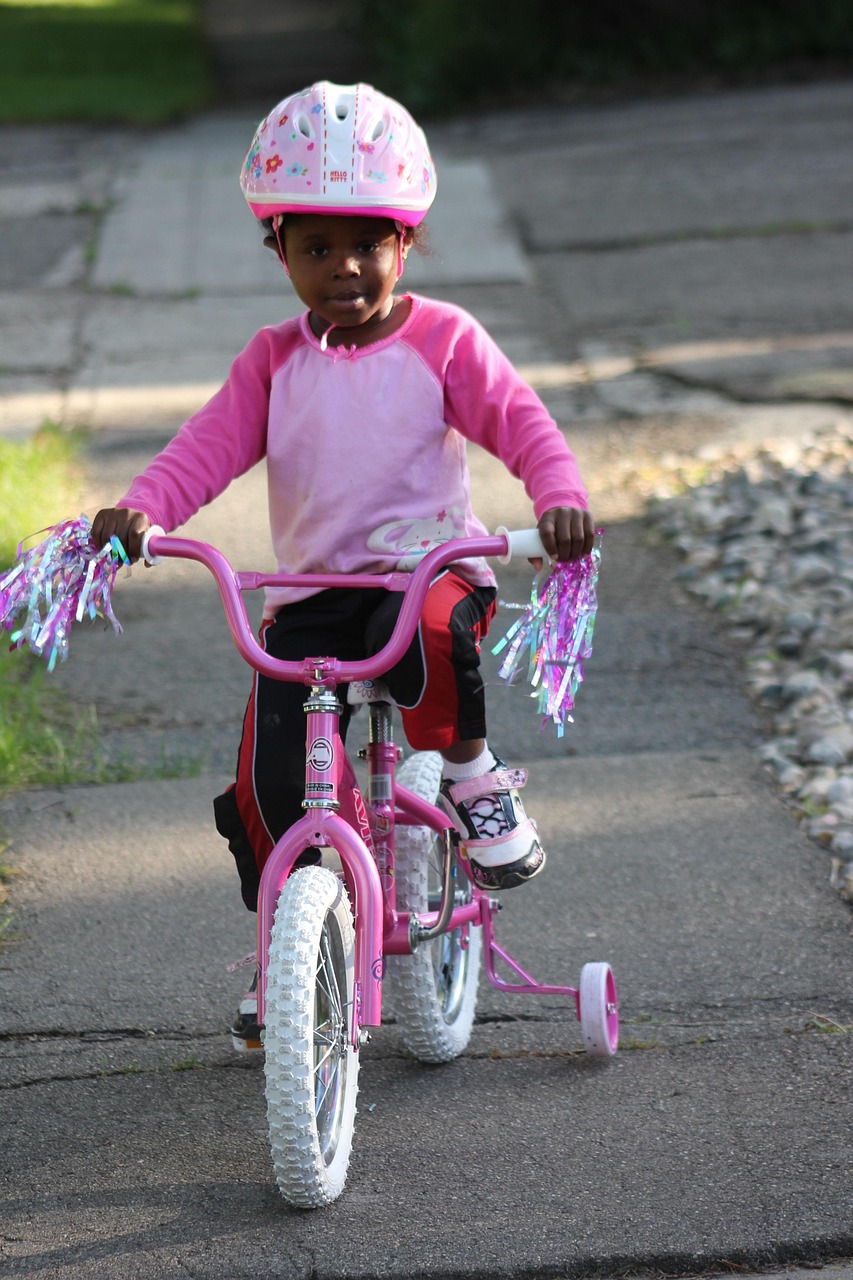
The Autism Society of America, a national organization dedicated to increasing public awareness about autism and advocating for the needs of individuals with autism spectrum disorder. Adaptive Motor Skill Development refers to the process of acquiring and refining motor skills that are essential for daily living and functioning, such as walking, running, and manipulating objects, in individuals with autism spectrum disorder.
ABA #
Applied Behavior Analysis, a type of therapy that focuses on improving social, communication, and behavioral skills in individuals with autism spectrum disorder. Adaptive Motor Skill Development is often incorporated into ABA therapy to promote physical and motor skills development.
Abnormal Gait #
Refers to an unusual or atypical walking pattern, which can be a common characteristic of individuals with autism spectrum disorder. Adaptive Motor Skill Development can help individuals with autism to develop a more typical gait pattern.
Accentuation #
The process of emphasizing or highlighting certain words or phrases to convey meaning and context in communication. In Adaptive Motor Skill Development, accentuation can be used to provide verbal cues to facilitate motor skills development.
Acceptance and Commitment Therapy #
A type of psychotherapy that focuses on increasing psychological flexibility and promoting values-based action. Adaptive Motor Skill Development can be incorporated into Acceptance and Commitment Therapy to promote physical and motor skills development.
Active Listening #
The process of fully engaging with and attending to the communication of another person. In Adaptive Motor Skill Development, active listening can be used to provide verbal feedback and facilitate motor skills development.
Adaptive Equipment #
Refers to devices or tools that are designed to assist individuals with disabilities or physical limitations in performing daily tasks and activities. Adaptive Motor Skill Development often involves the use of adaptive equipment to promote physical and motor skills development.
Adaptive Motor Skill Development #
The process of acquiring and refining motor skills that are essential for daily living and functioning, such as walking, running, and manipulating objects, in individuals with autism spectrum disorder.
Adaptive Response #
Refers to the ability to adjust or modify one's behavior in response to changes in the environment or situation. In Adaptive Motor Skill Development, adaptive responses are encouraged to promote flexibility and problem-solving skills.
Affective Regulation #
Refers to the ability to manage and regulate one's emotions and feelings in a healthy and adaptive way. Adaptive Motor Skill Development can help individuals with autism to develop better affective regulation skills.
Apraxia #
A neurological disorder characterized by difficulty with motor planning and coordination, which can affect an individual's ability to perform daily tasks and activities. Adaptive Motor Skill Development can help individuals with apraxia to develop compensatory strategies and improve motor skills.
Assessment #
The process of evaluating an individual's abilities, strengths, and challenges in order to inform intervention and treatment planning. In Adaptive Motor Skill Development, assessments are used to identify areas of strength and need and to develop individualized treatment plans.
Augmentative and Alternative Communication #
Refers to methods of communication that are used to supplement or replace verbal communication, such as picture communication symbols or electronic devices. Adaptive Motor Skill Development can be used in conjunction with augmentative and alternative communication methods to promote communication skills development.
Autism Spectrum Disorder #
A neurodevelopmental disorder characterized by challenges with social interaction, verbal and nonverbal communication, and restricted or repetitive patterns of behavior or interests. Adaptive Motor Skill Development is often used as a treatment approach for individuals with autism spectrum disorder.
Basal Ganglia #
A group of structures in the brain that are involved in movement control and coordination. Damage to the basal ganglia can result in motor impairments and disabilities. Adaptive Motor Skill Development can help individuals with basal ganglia damage to develop compensatory strategies and improve motor skills.
Behavioral Intervention #
A type of treatment approach that focuses on changing maladaptive behaviors and promoting adaptive behaviors. Adaptive Motor Skill Development can be used as a behavioral intervention to promote physical and motor skills development.
Bilateral Coordination #
The ability to coordinate and integrate the movements of both sides of the body, such as walking or throwing a ball. Adaptive Motor Skill Development can help individuals with autism to develop better bilateral coordination skills.
Brain #
Computer Interface: A type of technology that allows individuals to control devices or computers using only their brain signals. Adaptive Motor Skill Development can be used in conjunction with brain-computer interfaces to promote motor skills development.
Cerebellum #
A structure in the brain that is involved in motor control and coordination. Damage to the cerebellum can result in motor impairments and disabilities. Adaptive Motor Skill Development can help individuals with cerebellum damage to develop compensatory strategies and improve motor skills.
Chaining #
A technique used in Adaptive Motor Skill Development to teach complex skills by breaking them down into smaller, more manageable steps.
Cognitive Behavioral Therapy #
A type of psychotherapy that focuses on identifying and changing maladaptive thought patterns and behaviors. Adaptive Motor Skill Development can be used in conjunction with cognitive behavioral therapy to promote physical and motor skills development.
Communication Disorder #
A type of disorder that affects an individual's ability to communicate effectively, such as autism spectrum disorder or apraxia. Adaptive Motor Skill Development can be used to promote communication skills development in individuals with communication disorders.
Compensatory Strategy #
A technique or method used to compensate for a physical or cognitive impairment or disability. Adaptive Motor Skill Development can help individuals with autism to develop compensatory strategies to improve motor skills.
Constraint #
Induced Movement Therapy: A type of therapy that involves constraining or restricting the use of a non-affected limb to promote use of the affected limb. Adaptive Motor Skill Development can be used in conjunction with constraint-induced movement therapy to promote motor skills development.
Contextual Factors #
Refers to the environmental and situational factors that influence an individual's behavior and performance. Adaptive Motor Skill Development takes into account contextual factors to promote generalization of skills to different settings and situations.
Controlled Movement #
The ability to regulate and control one's movements in a precise and deliberate way. Adaptive Motor Skill Development can help individuals with autism to develop better controlled movement skills.
Developmental Coordination Disorder #
A type of disorder that affects an individual's ability to coordinate and integrate their movements. Adaptive Motor Skill Development can be used to promote motor skills development in individuals with developmental coordination disorder.
Developmental Delay #
A delay or slowing of developmental progress in one or more areas, such as gross or fine motor skills. Adaptive Motor Skill Development can be used to promote developmental progress in individuals with developmental delays.
Down Syndrome #
A genetic disorder that affects cognitive and physical development. Adaptive Motor Skill Development can be used to promote motor skills development in individuals with Down Syndrome.
Dyspraxia #
A type of disorder that affects an individual's ability to plan and execute movements. Adaptive Motor Skill Development can be used to promote motor skills development in individuals with dyspraxia.
Early Intervention #
Refers to the provision of services and support to infants and young children with disabilities or delays. Adaptive Motor Skill Development can be used as an early intervention approach to promote motor skills development.
Equilibrium Reactions #
The ability to regain and maintain balance in response to changes in the environment or situation. Adaptive Motor Skill Development can help individuals with autism to develop better equilibrium reactions.
Executive Function #
Refers to a set of cognitive skills that are involved in planning, organizing, and executing tasks and activities. Adaptive Motor Skill Development can help individuals with autism to develop better executive function skills.
Fine Motor Skills #
Refers to the ability to perform precise and delicate movements with the hands and fingers, such as writing or tying shoes. Adaptive Motor Skill Development can help individuals with autism to develop better fine motor skills.
Gross Motor Skills #
Refers to the ability to perform large and expansive movements with the arms and legs, such as walking or running. Adaptive Motor Skill Development can help individuals with autism to develop better gross motor skills.
Habilitation #
Refers to the process of enabling or empowering individuals with disabilities to acquire new skills and abilities. Adaptive Motor Skill Development is a type of habilitation approach that promotes motor skills development.
Hydrotherapy #
A type of therapy that involves the use of water to promote relaxation, reduction of stress, and improvement of motor skills. Adaptive Motor Skill Development can be used in conjunction with hydrotherapy to promote motor skills development.
Hyperactivity #
A condition characterized by excessive and involuntary movement or activity. Adaptive Motor Skill Development can help individuals with hyperactivity to develop better self-regulation skills.
Hypotonia #
A condition characterized by low muscle tone or strength. Adaptive Motor Skill Development can help individuals with hypotonia to develop better muscle strength and endurance.
Inclusive Education #
Refers to the practice of educating students with disabilities in general education settings. Adaptive Motor Skill Development can be used in inclusive education settings to promote motor skills development.
Individualized Education Plan #
A plan that is developed to meet the unique needs and goals of a student with a disability. Adaptive Motor Skill Development can be included in an individualized education plan to promote motor skills development.
Integrative Therapy #
A type of therapy that involves the integration of multiple therapies or approaches to promote overall well-being. Adaptive Motor Skill Development can be used in conjunction with integrative therapy to promote motor skills development.
Intelligence Quotient #
A measure of cognitive ability or intelligence. Adaptive Motor Skill Development is not directly related to intelligence quotient, but can be used to promote cognitive and motor skills development.
Interdisciplinary Team #
A team of professionals from different disciplines who work together to provide comprehensive services and support to individuals with disabilities. Adaptive Motor Skill Development can be used in conjunction with interdisciplinary teams to promote motor skills development.
Kinesthesia #
The ability to perceive and interpret body position and movement. Adaptive Motor Skill Development can help individuals with autism to develop better kinesthesia.
Kinesiology #
The study of human movement and exercise. Adaptive Motor Skill Development is based on kinesiology principles to promote motor skills development.
Learning Disability #
A type of disorder that affects an individual's ability to learn and process information. Adaptive Motor Skill Development can be used to promote motor skills development in individuals with learning disabilities.
Least Restrictive Environment #
Refers to the principle of providing services and support to individuals with disabilities in the most inclusive and least restrictive environment possible. Adaptive Motor Skill Development can be used in least restrictive environments to promote motor skills development.
Lifespan Perspective #
Refers to the view that development and growth occur across the entire lifespan, from birth to old age. Adaptive Motor Skill Development can be used across the lifespan to promote motor skills development.
Mainstreaming #
Refers to the practice of educating students with disabilities in general education settings. Adaptive Motor Skill Development can be used in mainstreaming settings to promote motor skills development.
Mindfulness #
A type of therapy that involves practicing present-moment awareness and acceptance. Adaptive Motor Skill Development can be used in conjunction with mindfulness to promote motor skills development.
Motor Control #
The ability to regulate and coordinate movements in a precise and deliberate way. Adaptive Motor Skill Development can help individuals with autism to develop better motor control.
Motor Learning #
The process of acquiring and refining motor skills through practice and repetition. Adaptive Motor Skill Development is based on motor learning principles to promote motor skills development.
Motor Planning #
The ability to plan and organize movements in advance. Adaptive Motor Skill Development can help individuals with autism to develop better motor planning skills.
Multidisciplinary Team #
A team of professionals from different disciplines who work together to provide comprehensive services and support to individuals with disabilities. Adaptive Motor Skill Development can be used in conjunction with multidisciplinary teams to promote motor skills development.
Muscle Tone #
The level of tension or relaxation in the muscles. Adaptive Motor Skill Development can help individuals with autism to develop better muscle tone.
Neurodevelopmental Disorder #
A type of disorder that affects brain development and function, such as autism spectrum disorder or attention-deficit/hyperactivity disorder. Adaptive Motor Skill Development can be used to promote motor skills development in individuals with neurodevelopmental disorders.
Neuroplasticity #
The ability of the brain to reorganize and adapt in response to changes in the environment or experience. Adaptive Motor Skill Development can help individuals with autism to develop better neuroplasticity.
Occupational Therapy #
A type of therapy that focuses on enabling individuals with disabilities to participate in daily activities and tasks. Adaptive Motor Skill Development can be used in conjunction with occupational therapy to promote motor skills development.
Orthotics #
A type of device or equipment that is used to support or correct musculoskeletal function. Adaptive Motor Skill Development can be used in conjunction with orthotics to promote motor skills development.
Parallel Bars #
A type of equipment that is used to support and stabilize the body during exercise or activity. Adaptive Motor Skill Development can be used in conjunction with parallel bars to promote motor skills development.
Parent #
Child Interaction Therapy: A type of therapy that focuses on improving the relationship between parents and children. Adaptive Motor Skill Development can be used in conjunction with parent-child interaction therapy to promote motor skills development.
Pediatric Physical Therapy #
A type of therapy that focuses on promoting physical development and function in children. Adaptive Motor Skill Development can be used in conjunction with pediatric physical therapy to promote motor skills development.
Physical Activity #
Refers to any bodily movement that expend energy and promote physical fitness. Adaptive Motor Skill Development can be used to promote physical activity and exercise in individuals with autism.
Physical Disability #
A type of disability that affects an individual's physical function or ability. Adaptive Motor Skill Development can be used to promote motor skills development in individuals with physical disabilities.
Physical Education #
Refers to the instruction and training of physical activities and sports. Adaptive Motor Skill Development can be used in physical education settings to promote motor skills development.
Physical Therapy #
A type of therapy that focuses on promoting physical function and mobility. Adaptive Motor Skill Development can be used in conjunction with physical therapy to promote motor skills development.
Play Based Therapy #
A type of therapy that uses play as a means of promoting development and learning. Adaptive Motor Skill Development can be used in conjunction with play based therapy to promote motor skills development.
Posture #
The position or alignment of the body in space. Adaptive Motor Skill Development can help individuals with autism to develop better posture.
Prosthetics #
A type of device or equipment that is used to replace or support a missing or non-functioning limb. Adaptive Motor Skill Development can be used in conjunction with prosthetics to promote motor skills development.
Psychological Assessment #
The process of evaluating an individual's cognitive, emotional, and behavioral functioning. Adaptive Motor Skill Development can be used in conjunction with psychological assessment to promote motor skills development.
Recreation Therapy #
A type of therapy that focuses on promoting leisure activities and recreation. Adaptive Motor Skill Development can be used in conjunction with recreation therapy to promote motor skills development.
Rehabilitation #
The process of restoring or improving physical, cognitive, or emotional function in individuals with disabilities or injuries. Adaptive Motor Skill Development can be used in rehabilitation settings to promote motor skills development.
Reinforcement Therapy #
A type of therapy that uses rewards or incentives to promote desirable behaviors. Adaptive Motor Skill Development can be used in conjunction with reinforcement therapy to promote motor skills development.
Repetitive Behaviors #
Refers to behaviors that are repeated or performed in a ritualistic or compulsive way. Adaptive Motor Skill Development can help individuals with autism to develop better self-regulation skills and reduce repetitive behaviors.
Respite Care #
A type of care that provides temporary relief or support to individuals with disabilities or their families. Adaptive Motor Skill Development can be used in conjunction with respite care to promote motor skills development.
Sensory Integration Therapy #
A type of therapy that focuses on promoting sensory processing and integration. Adaptive Motor Skill Development can be used in conjunction with sensory integration therapy to promote motor skills development.
Social Learning Theory #
A theory that posits that behavior is learned through observation, imitation, and reinforcement. Adaptive Motor Skill Development can be used in conjunction with social learning theory to promote motor skills development.
Social Skills Training #
A type of training that focuses on promoting social interaction and communication skills. Adaptive Motor Skill Development can be used in conjunction with social skills training to promote motor skills development.
Speech Therapy #
A type of therapy that focuses on promoting communication and speech skills. Adaptive Motor Skill Development can be used in conjunction with speech therapy to promote motor skills development.
Splints #
A type of device or equipment that is used to support or stabilize a joint or limb. Adaptive Motor Skill Development can be used in conjunction with splints to promote motor skills development.
Sports Medicine #
A field of medicine that focuses on preventing and treating injuries related to physical activity and sports. Adaptive Motor Skill Development can be used in conjunction with sports medicine to promote motor skills development.
Static Balance #
The ability to maintain balance in a stationary position. Adaptive Motor Skill Development can help individuals with autism to develop better static balance.
Stereo Typing #
A type of behavior that involves repetitive and ritualistic movements or actions. Adaptive Motor Skill Development can help individuals with autism to develop better self-regulation skills and reduce stereo typing.
Task Analysis #
The process of breaking down a task or activity into smaller, more manageable steps. Adaptive Motor Skill Development can be used in conjunction with task analysis to promote motor skills development.
Therapeutic Exercise #
A type of exercise that is designed to promote physical function and mobility. Adaptive Motor Skill Development can be used in conjunction with therapeutic exercise to promote motor skills development.
Therapist #
Client Relationship: The relationship