
Maintenance Scheduling And Planning
Expert-defined terms from the Certificate in Gym Equipment Maintenance And Repair course at HealthCareCourses (An LSIB brand). Free to read, free to share, paired with a professional course.
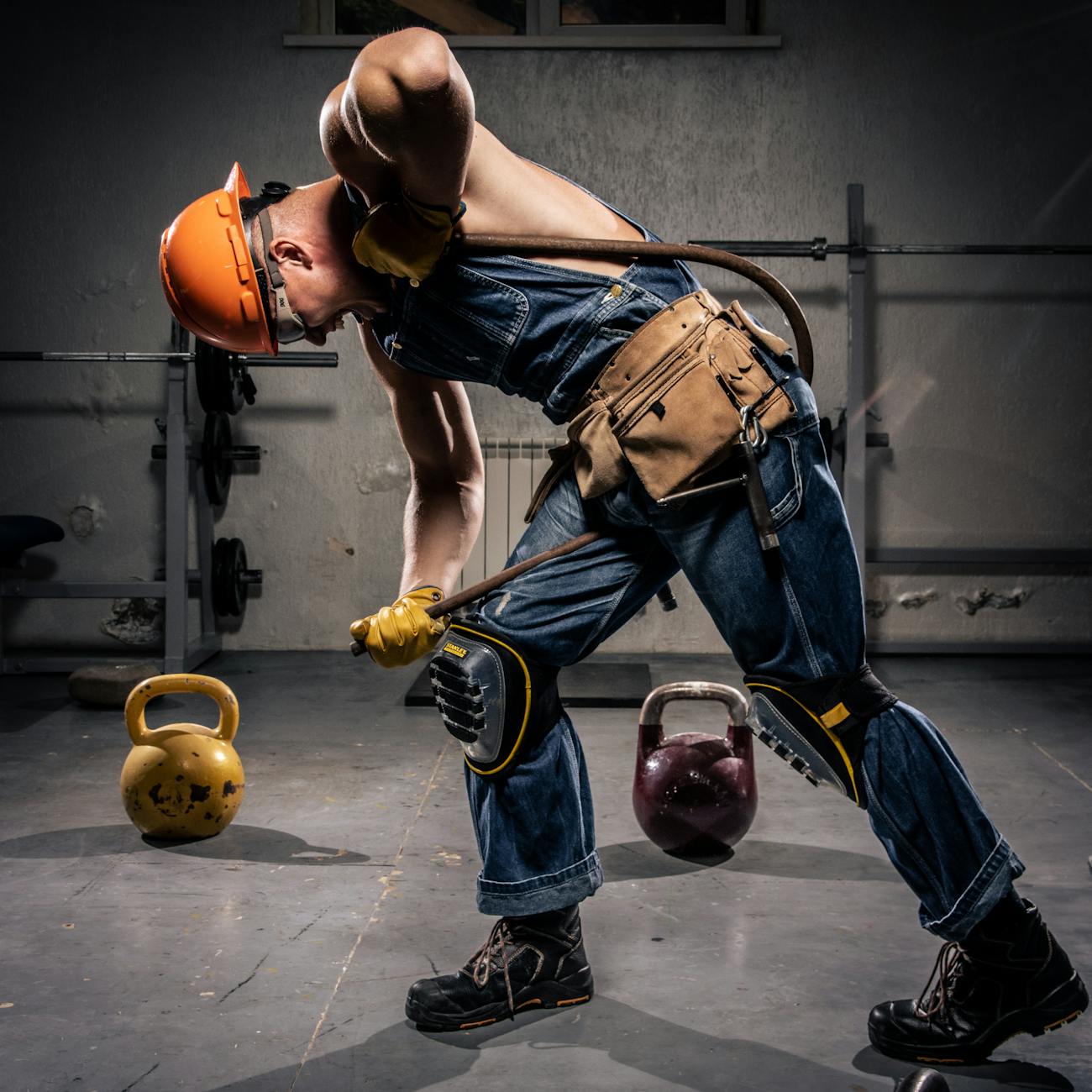
Aerial Lifts refer to elevated platforms or boom lifts used for maintenan… #
Related terms include Scissor Lifts and cherry pickers. Aerial lifts are essential in gym equipment maintenance as they enable technicians to perform tasks such as replacing light fixtures, cleaning, and painting without the need for scaffolding or ladders.
Asset Management is the process of managing and maintaining gym equipment assets… #
Related terms include Asset Tracking and Condition Based Maintenance. Effective asset management helps reduce maintenance costs, minimize downtime, and improve overall equipment reliability.
Backlog refers to a list of pending or deferred maintenance tasks, which… #
Related terms include Work Order and Scheduling Software. Backlogs can be challenging to manage, and prioritizing tasks based on urgency and importance is crucial to ensure that critical maintenance activities are addressed promptly.
Breakdown Maintenance is a type of maintenance that occurs when equipment fai… #
Related terms include Reactive Maintenance and Corrective Action. Breakdown maintenance can be costly and time-consuming, emphasizing the importance of preventive maintenance to minimize the likelihood of equipment failure.
Calibration refers to the process of adjusting or configuring equipment t… #
Related terms include Alignment and Certification. Calibration is critical in gym equipment maintenance, as it ensures that equipment operates within specified parameters, providing a safe and effective workout experience for users.
Condition Based Maintenance is a maintenance strategy that involves monitorin… #
Related terms include Predictive Maintenance and Real-time Monitoring. Condition-based maintenance helps reduce maintenance costs, minimize downtime, and optimize equipment performance.
Corrective Action refers to the process of identifying and addressing the… #
Related terms include Root Cause Analysis and Failure Mode. Corrective action is essential in gym equipment maintenance, as it helps identify and address underlying issues, reducing the likelihood of repeat failures.
Deferred Maintenance refers to maintenance tasks that are delayed or post… #
Related terms include Backlog and Scheduling Conflict. Deferred maintenance can lead to increased maintenance costs, equipment downtime, and safety risks, emphasizing the importance of prioritizing maintenance activities.
Deterioration refers to the gradual decline or degradation of equipment c… #
Related terms include Aging and Obsolescence. Deterioration can be slowed or prevented through regular maintenance, inspections, and repairs, ensuring that equipment remains in good working condition.
Efficiency refers to the ability of equipment to perform at optimal level… #
Related terms include Effectiveness and Productivity. Efficiency is critical in gym equipment maintenance, as it directly impacts the quality of the workout experience, energy costs, and overall equipment lifespan.
Equipment History refers to the record of maintenance, repairs, and other… #
Related terms include Asset Management and Maintenance Log. Equipment history is essential in gym equipment maintenance, as it provides valuable insights into equipment performance, helping technicians identify potential issues before they become major problems.
Failure Mode refers to the mode or manner in which equipment fails, often… #
Related terms include Failure Analysis and Root Cause. Failure mode analysis helps technicians identify and address underlying issues, reducing the likelihood of repeat failures and improving overall equipment reliability.
Forecasting refers to the process of predicting future maintenance needs,… #
Related terms include Predictive Maintenance and Scheduling. Forecasting helps maintenance teams prepare for upcoming maintenance activities, allocate resources, and minimize downtime.
Gym Equipment refers to the various types of machines and apparatus used… #
Related terms include Exercise Equipment and Fitness Machines. Gym equipment requires regular maintenance to ensure safe and effective operation, providing a high-quality workout experience for users.
Inspection refers to the process of examining equipment to identify poten… #
Related terms include Condition Based Maintenance and Predictive Maintenance. Inspections help technicians identify potential problems before they become major issues, reducing downtime, and improving overall equipment reliability.
Life Cycle refers to the entire life span of equipment, from installation… #
Related terms include Asset Management and Total Cost of Ownership. Understanding the life cycle of equipment helps maintenance teams plan and budget for maintenance activities, ensuring that equipment operates at optimal levels throughout its lifespan.
Maintenance Log refers to the record of maintenance activities performed… #
Related terms include Equipment History and Asset Management. Maintenance logs provide valuable insights into equipment performance, helping technicians identify trends, and inform maintenance decisions.
Maintenance Scheduling refers to the process of planning and scheduling m… #
Related terms include Scheduling Software and Work Order. Maintenance scheduling is critical in gym equipment maintenance, as it ensures that maintenance activities are performed efficiently, effectively, and at the right time.
Material Safety Data Sheets refer to documents that provide information o… #
Related terms include Safety Protocols and Hazardous Materials. Material safety data sheets are essential in gym equipment maintenance, as they help technicians understand the risks associated with hazardous materials and take necessary precautions to ensure a safe working environment.
Mean Time Between Failures refers to the average time between equipment f… #
Related terms include Mean Time To Repair and Failure Rate. Mean time between failures helps maintenance teams evaluate equipment performance, identify areas for improvement, and optimize maintenance strategies.
Mean Time To Repair refers to the average time required to repair or rest… #
Related terms include Mean Time Between Failures and Downtime. Mean time to repair helps maintenance teams evaluate maintenance performance, identify areas for improvement, and optimize maintenance strategies.
Obsolescence refers to the state of being outdated or no longer supported… #
Related terms include Deterioration and Replacement. Obsolescence can be a significant challenge in gym equipment maintenance, as it may require equipment replacement or upgrades, which can be costly and time-consuming.
Operator Error refers to mistakes or incorrect operation of equipment, of… #
Related terms include Human Error and Training. Operator error can be prevented through proper training, documentation, and equipment design, ensuring that users understand how to operate equipment safely and effectively.
Performance Metrics refer to the measures used to evaluate equipment perf… #
Related terms include Key Performance Indicators and Benchmarking. Performance metrics help maintenance teams evaluate equipment performance, identify areas for improvement, and optimize maintenance strategies.
Predictive Maintenance refers to the use of data and analytics to predict… #
Related terms include Condition Based Maintenance and Forecasting. Predictive maintenance helps maintenance teams anticipate and prepare for maintenance activities, reducing downtime, and improving overall equipment reliability.
Preventive Maintenance refers to the regular maintenance activities perfo… #
Related terms include Scheduled Maintenance and Routine Maintenance. Preventive maintenance is critical in gym equipment maintenance, as it helps reduce the likelihood of equipment failure, minimize downtime, and improve overall equipment reliability.
Quality Control refers to the process of ensuring that equipment meets sp… #
Related terms include Quality Assurance and Certification. Quality control is essential in gym equipment maintenance, as it ensures that equipment operates safely and effectively, providing a high-quality workout experience for users.
Reliability refers to the ability of equipment to perform consistently an… #
Related terms include Availability and Maintainability. Reliability is critical in gym equipment maintenance, as it directly impacts the quality of the workout experience, user satisfaction, and overall equipment lifespan.
Reliability Centered Maintenance refers to a methodology that focuses on… #
Related terms include Predictive Maintenance and Condition Based Maintenance. Reliability centered maintenance helps maintenance teams optimize maintenance strategies, reduce downtime, and improve overall equipment reliability.
Replacement refers to the process of replacing equipment or components, o… #
Related terms include Upgrade and Refurbishment. Replacement can be a significant challenge in gym equipment maintenance, as it may require equipment downtime, specialized labor, and significant costs.
Root Cause Analysis refers to the process of identifying and addressing t… #
Related terms include Corrective Action and Reliability Centered Maintenance. Root cause analysis helps maintenance teams identify and address underlying issues, reducing the likelihood of repeat failures and improving overall equipment reliability.
Routine Maintenance refers to the regular maintenance activities performe… #
Related terms include Preventive Maintenance and Scheduled Maintenance. Routine maintenance is critical in gym equipment maintenance, as it helps reduce the likelihood of equipment failure, minimize downtime, and improve overall equipment reliability.
Safety Protocols refer to the procedures and guidelines established to en… #
Related terms include Safety Training and Hazardous Materials. Safety protocols are essential in gym equipment maintenance, as they help technicians understand the risks associated with maintenance activities and take necessary precautions to ensure a safe working environment.
Scheduled Maintenance refers to the planned maintenance activities perfor… #
Related terms include Preventive Maintenance and Routine Maintenance. Scheduled maintenance is critical in gym equipment maintenance, as it helps reduce the likelihood of equipment failure, minimize downtime, and improve overall equipment reliability.
Scheduling Software refers to the tools and systems used to plan and sche… #
Related terms include Maintenance Scheduling and Work Order. Scheduling software helps maintenance teams optimize resource allocation, minimize downtime, and improve overall maintenance efficiency.
Total Cost of Ownership refers to the total cost of owning and maintainin… #
Related terms include Life Cycle Cost and Return on Investment. Total cost of ownership helps maintenance teams evaluate equipment costs, identify areas for improvement, and optimize maintenance strategies.
Training refers to the process of educating and instructing technicians o… #
Related terms include Operator Error and Safety Protocols. Training is essential in gym equipment maintenance, as it ensures that technicians have the necessary skills and knowledge to perform maintenance activities safely and effectively.
Uptime refers to the time during which equipment is operational and avail… #
Related terms include Downtime and Availability. Uptime is critical in gym equipment maintenance, as it directly impacts the quality of the workout experience, user satisfaction, and overall equipment lifespan.
Work Order refers to the document or request that initiates a maintenance… #
Related terms include Maintenance Scheduling and Scheduling Software. Work orders help maintenance teams track and manage maintenance activities, allocate resources, and minimize downtime.
Workforce Management refers to the process of managing and optimizing the… #
Related terms include Resource Allocation and Productivity. Workforce management is essential in gym equipment maintenance, as it ensures that maintenance teams have the necessary skills, knowledge, and resources to perform maintenance activities efficiently and effectively.