
Tanker Chartering
Expert-defined terms from the Global Certificate in Ship Chartering and Cargo Operations (United Kingdom) course at HealthCareCourses (An LSIB brand). Free to read, free to share, paired with a professional course.
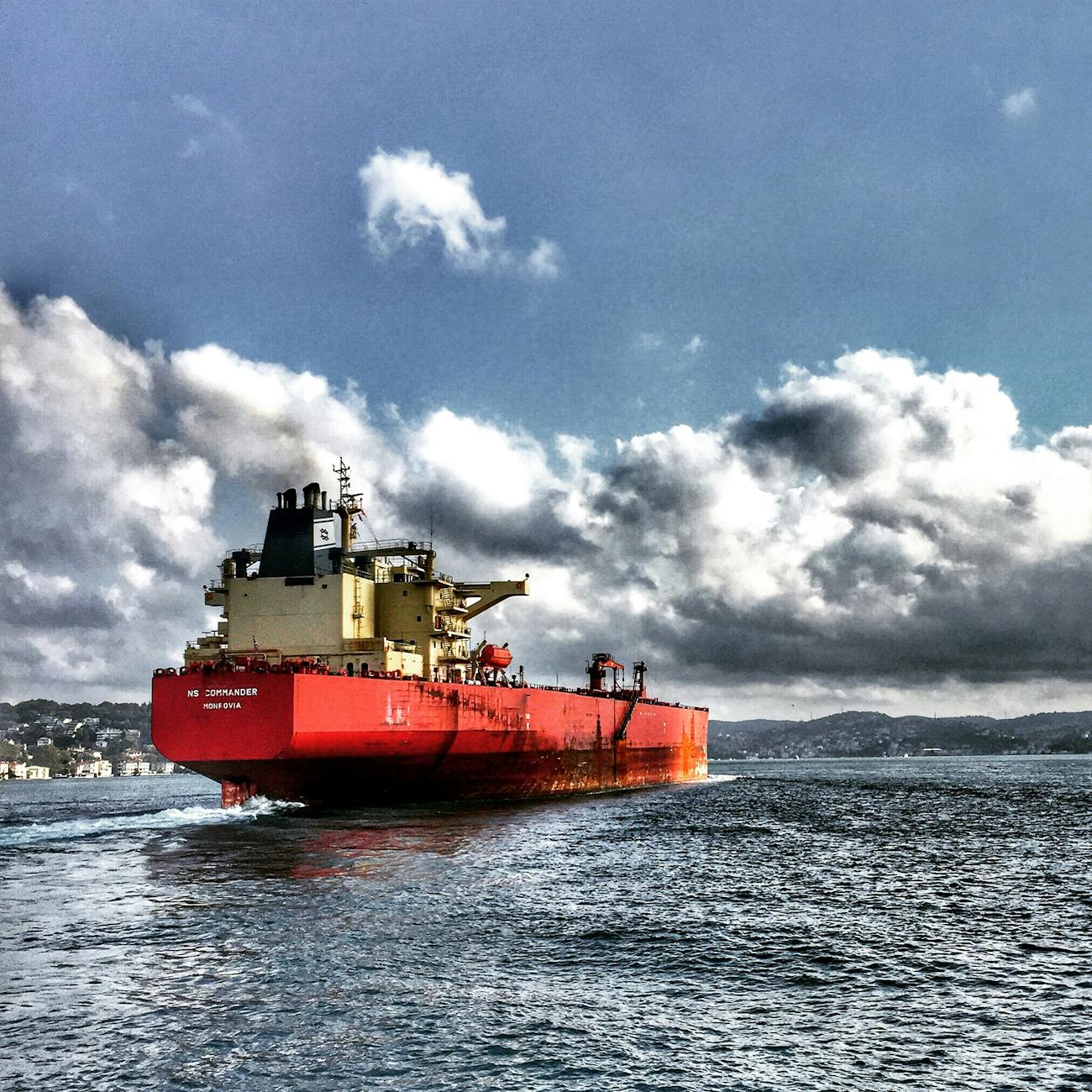
Aframax #
Aframax is a term used to describe a type of oil tanker that is designed to carry approximately 700,000 to 120,000 deadweight tons of crude oil. These tankers are considered medium-sized and are often used for short to medium-haul voyages. Related terms include Suezmax, VLCC, and ULCC, which are all different sizes of oil tankers. Aframax tankers are commonly used for spot charters and are often employed in the spot market, where they are chartered for a single voyage.
Bareboat Charter #
A bareboat charter is a type of charter where the shipowner leases the vessel to the charterer without a crew. The charterer is responsible for providing the crew, provisions, and fuel for the vessel. This type of charter is often used for longer periods of time, such as several months or years. Related terms include time charter and voyage charter, which are different types of charters that are used for specific purposes. Bareboat charters are commonly used for project cargoes and are often employed in the offshore industry.
Bunker #
Bunker refers to the fuel that is used to power a vessel. There are different types of bunker, including IFO (intermediate fuel oil), MGO (marine gas oil), and LSFO (low-sulfur fuel oil). Bunker is a critical component of ship operations and is often a significant expense for shipowners and charterers. Related terms include bunker consumption, which refers to the amount of fuel that a vessel consumes, and bunker prices, which refer to the cost of fuel.
Cargo #
Cargo refers to the goods or commodities that are being transported on a vessel. There are different types of cargo, including dry cargo, such as grains and coal, and wet cargo, such as crude oil and petroleum products. Cargo is a critical component of ship chartering and is often the primary consideration for charterers. Related terms include cargo capacity, which refers to the amount of cargo that a vessel can carry, and cargo handling, which refers to the process of loading and discharging cargo.
Cargo Operations #
Cargo operations refer to the process of loading, carrying, and discharging cargo on a vessel. This includes a range of activities, such as stevedoring, warehousing, and transportation. Cargo operations are a critical component of ship chartering and are often the primary consideration for charterers. Related terms include cargo planning, which refers to the process of planning and coordinating cargo operations, and cargo management, which refers to the process of overseeing and managing cargo operations.
Charter #
A charter is a contract between a shipowner and a charterer that outlines the terms and conditions of the use of a vessel. There are different types of charters, including time charter, voyage charter, and bareboat charter. Charters are a critical component of ship chartering and are often used to establish the terms and conditions of a shipping contract. Related terms include charter party, which refers to the contract between the shipowner and the charterer, and charter rate, which refers to the cost of chartering a vessel.
Charterer #
A charterer is the party that charters a vessel from a shipowner. The charterer is responsible for cargo operations and is often responsible for providing the crew and provisions for the vessel. Charterers are a critical component of ship chartering and are often the primary users of shipping services. Related terms include shipowner, which refers to the party that owns the vessel, and operator, which refers to the party that is responsible for the day-to-day operations of the vessel.
Chartering #
Chartering refers to the process of renting or leasing a vessel from a shipowner. There are different types of chartering, including time chartering, voyage chartering, and bareboat chartering. Chartering is a critical component of ship operations and is often used to establish the terms and conditions of a shipping contract. Related terms include charter market, which refers to the market for chartering vessels, and charter rates, which refer to the cost of chartering a vessel.
COA #
COA stands for Contract of Affreightment, which is a type of charter contract that outlines the terms and conditions of the use of a vessel. A COA is often used for long-term charters and is commonly employed in the bulk cargo market.
Deadweight #
Deadweight refers to the maximum weight of cargo, fuel, and provisions that a vessel can carry. Deadweight is a critical component of ship operations and is often used to determine the carrying capacity of a vessel. Related terms include gross tonnage, which refers to the total weight of the vessel, and net tonnage, which refers to the weight of the vessel minus the weight of the hull and superstructure.
Demurrage #
Demurrage refers to the cost of delaying a vessel beyond the agreed-upon laytime. Demurrage is a critical component of ship chartering and is often used to compensate the shipowner for lost time and expenses. Related terms include despatch, which refers to the payment made to the shipowner for completing the loading or discharging of cargo ahead of schedule.
Despatch #
Despatch refers to the payment made to the shipowner for completing the loading or discharging of cargo ahead of schedule. Despatch is a critical component of ship chartering and is often used to incentivize the shipowner to complete cargo operations quickly. Related terms include demurrage, which refers to the cost of delaying a vessel beyond the agreed-upon laytime.
Draft #
Draft refers to the depth of a vessel in the water. Draft is a critical component of ship operations and is often used to determine the maximum cargo capacity of a vessel. Related terms include air draft, which refers to the height of a vessel above the waterline, and water draft, which refers to the depth of a vessel below the waterline.
Dry Cargo #
Dry cargo refers to non-liquid goods or commodities that are being transported on a vessel. Dry cargo includes grains, coal, and containers. Dry cargo is a critical component of ship chartering and is often the primary consideration for charterers. Related terms include wet cargo, which refers to liquid goods or commodities, such as crude oil and petroleum products.
FOB #
FOB stands for Free on Board, which is a type of shipping contract that outlines the terms and conditions of the delivery of cargo. FOB is often used for dry cargo and is commonly employed in the bulk cargo market. Related terms include CIF, which stands for Cost, Insurance, and Freight, and CFR, which stands for Cost and Freight.
Freight #
Freight refers to the cost of transporting cargo on a vessel. Freight is a critical component of ship chartering and is often the primary consideration for charterers. Related terms include freight rate, which refers to the cost of transporting cargo per unit, and freight forwarder, which refers to the party that arranges the transportation of cargo on behalf of the shipper.
Gross Tonnage #
Gross tonnage refers to the total weight of a vessel, including the hull, superstructure, and cargo. Gross tonnage is a critical component of ship operations and is often used to determine the carrying capacity of a vessel. Related terms include net tonnage, which refers to the weight of the vessel minus the weight of the hull and superstructure.
Hull #
Hull refers to the main body of a vessel, excluding the superstructure and machinery. The hull is a critical component of ship operations and is often used to determine the carrying capacity of a vessel. Related terms include superstructure, which refers to the structures above the main deck, and machinery, which refers to the equipment used to propel the vessel.
IFO #
IFO stands for Intermediate Fuel Oil, which is a type of bunker fuel used to power vessels. IFO is a critical component of ship operations and is often used to determine the fuel efficiency of a vessel. Related terms include MGO, which stands for Marine Gas Oil, and LSFO, which stands for Low-Sulfur Fuel Oil.
Laytime #
Laytime refers to the time allowed for the loading or discharging of cargo. Laytime is a critical component of ship chartering and is often used to determine the demurrage or despatch payable to the shipowner. Related terms include layday, which refers to the day on which laytime commences, and laycan, which refers to the period during which laytime is allowed.
LOI #
LOI stands for Letter of Intent, which is a document that outlines the terms and conditions of a shipping contract. LOI is often used for long-term charters and is commonly employed in the bulk cargo market. Related terms include MOA, which stands for Memorandum of Agreement, and charter party, which refers to the contract between the shipowner and the charterer.
MGO #
MGO stands for Marine Gas Oil, which is a type of bunker fuel used to power vessels. MGO is a critical component of ship operations and is often used to determine the fuel efficiency of a vessel. Related terms include IFO, which stands for Intermediate Fuel Oil, and LSFO, which stands for Low-Sulfur Fuel Oil.
Net Tonnage #
Net tonnage refers to the weight of a vessel minus the weight of the hull and superstructure. Net tonnage is a critical component of ship operations and is often used to determine the carrying capacity of a vessel. Related terms include gross tonnage, which refers to the total weight of the vessel, and deadweight, which refers to the maximum weight of cargo, fuel, and provisions that a vessel can carry.
Off #
Hire: Off-hire refers to the period during which a vessel is not available for chartering due to repairs or maintenance. Off-hire is a critical component of ship chartering and is often used to determine the charter rate payable to the shipowner. Related terms include on-hire, which refers to the period during which a vessel is available for chartering, and layup, which refers to the period during which a vessel is not in use.
On #
Hire: On-hire refers to the period during which a vessel is available for chartering. On-hire is a critical component of ship chartering and is often used to determine the charter rate payable to the shipowner. Related terms include off-hire, which refers to the period during which a vessel is not available for chartering, and layup, which refers to the period during which a vessel is not in use.
Port #
Port refers to a location where vessels can load or discharge cargo. Ports are a critical component of ship operations and are often used to determine the laytime and demurrage payable to the shipowner. Related terms include terminal, which refers to a facility where cargo is handled and stored, and berth, which refers to a location where a vessel can moor or anchor.
Provisions #
Provisions refer to the supplies and stores that are carried on a vessel to support the crew and passengers. Provisions are a critical component of ship operations and are often used to determine the cost of operating a vessel. Related terms include bunker, which refers to the fuel used to power a vessel, and stores, which refer to the spare parts and equipment carried on a vessel.
Shipbroker #
Shipbroker refers to a party that acts as an intermediary between the shipowner and the charterer. Shipbrokers are a critical component of ship chartering and are often used to negotiate the terms and conditions of a shipping contract. Related terms include charterer, which refers to the party that charters a vessel, and shipowner, which refers to the party that owns the vessel.
Shipowner #
Shipowner refers to the party that owns a vessel. Shipowners are a critical component of ship chartering and are often responsible for maintaining and operating the vessel. Related terms include charterer, which refers to the party that charters a vessel, and operator, which refers to the party that is responsible for the day-to-day operations of the vessel.
Spot Charter #
Spot charter refers to a type of charter that is used for a single voyage or a short period of time. Spot charters are a critical component of ship chartering and are often used to meet urgent needs or to take advantage of market opportunities. Related terms include time charter, which refers to a type of charter that is used for a longer period of time, and period charter, which refers to a type of charter that is used for a specific period of time.
Stevedoring #
Stevedoring refers to the process of loading and discharging cargo on a vessel. Stevedoring is a critical component of ship operations and is often used to determine the laytime and demurrage payable to the shipowner. Related terms include cargo handling, which refers to the process of handling and storing cargo, and terminal operations, which refer to the activities that take place at a terminal or port.
Superstructure #
Superstructure refers to the structures above the main deck of a vessel, including the bridge, accommodations, and cranes. The superstructure is a critical component of ship operations and is often used to determine the carrying capacity of a vessel. Related terms include
Time Charter #
Time charter refers to a type of charter that is used for a longer period of time, such as several months or years. Time charters are a critical component of ship chartering and are often used to establish a long-term relationship between the shipowner and the charterer. Related terms include spot charter, which refers to a type of charter that is used for a single voyage or a short period of time, and period charter, which refers to a type of charter that is used for a specific period of time.
Tonnage #
Tonnage refers to the weight or capacity of a vessel. Tonnage is a critical component of ship operations and is often used to determine the carrying capacity of a vessel. Related terms include gross tonnage, which refers to the total weight of the vessel, and net tonnage, which refers to the weight of the vessel minus the weight of the
Vessel #
Vessel refers to a ship or boat that is used for transporting goods or passengers. Vessels are a critical component of ship chartering and are often the primary consideration for charterers. Related terms include ship, which refers to a larger vessel, and boat, which refers to a smaller vessel.
Voyage Charter #
Voyage charter refers to a type of charter that is used for a single voyage or a short period of time. Voyage charters are a critical component of ship chartering and are often used to meet urgent needs or to take advantage of market opportunities.