
Geriatric Pathologies And Conditions
Expert-defined terms from the Advanced Certificate in Geriatric Shiatsu Massage (Switzerland) course at HealthCareCourses (An LSIB brand). Free to read, free to share, paired with a professional course.
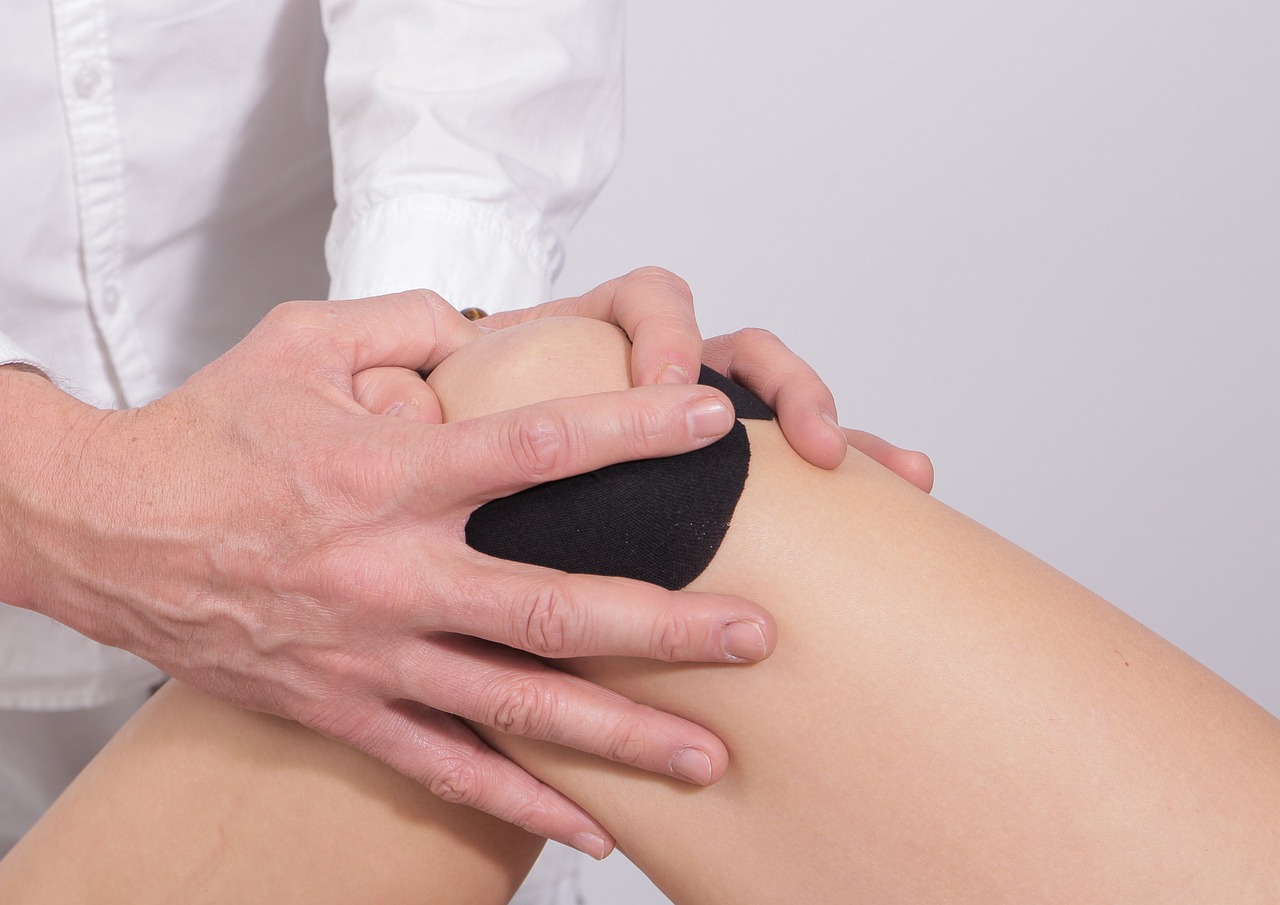
Activity Limitation – Concept #
The reduction in the ability to perform tasks or actions that were previously achievable. Related terms: functional decline, disability, ADL (activities of daily living). Explanation: In geriatric populations, activity limitation often results from a combination of musculoskeletal, neurological, and cardiovascular changes. It is a key indicator used to assess the impact of chronic conditions on a person’s independence. Example: An 78‑year‑old with severe knee osteoarthritis may find it difficult to climb stairs, limiting participation in community activities. Practical application in Shiatsu: Tailoring pressure techniques to improve joint mobility while respecting pain thresholds can enhance range of motion, supporting the client’s capacity to perform ADLs. Challenges: Differentiating between true physiological limitation and fear‑avoidance behavior; ensuring techniques do not exacerbate underlying pathology.
Arthritis – Concept #
Inflammation of one or more joints, encompassing both osteoarthritis (degenerative) and rheumatoid arthritis (autoimmune). Related terms: synovitis, cartilage erosion, joint effusion. Explanation: Osteoarthritis is the most common form in older adults, characterized by cartilage loss, subchondral bone remodeling, and osteophyte formation. Rheumatoid arthritis presents with symmetrical joint swelling, systemic fatigue, and potential extra‑articular manifestations. Example: A 70‑year‑old woman reports morning stiffness in the hands lasting over an hour, consistent with rheumatoid arthritis. Practical application in Shiatsu: Gentle meridian strokes along the Large Intestine and Lung pathways can alleviate joint stiffness; specific finger‑press techniques may reduce peri‑articular tension without deep joint pressure. Challenges: Avoiding excessive force on inflamed joints; contraindicating treatment during acute flare‑ups or when systemic inflammation is high.
Atherosclerosis – Concept #
Progressive thickening and loss of elasticity of arterial walls due to plaque buildup. Related terms: peripheral arterial disease, coronary artery disease, ischemia. Explanation: In seniors, atherosclerotic changes can impair peripheral circulation, leading to claudication, delayed wound healing, and increased cardiovascular risk. Example: An 82‑year‑old male experiences calf pain after walking short distances, indicative of peripheral arterial disease. Practical application in Shiatsu: Light, rhythmic abdominal massage can stimulate autonomic balance, promoting vasodilation; gentle leg strokes may improve venous return without compromising arterial flow. Challenges: Recognizing signs of compromised blood flow; avoiding vigorous techniques that could destabilize atherosclerotic plaques.
Balance Disorder – Concept #
Impairment in the ability to maintain postural stability, increasing fall risk. Related terms: proprioception loss, vestibular dysfunction, ataxia. Explanation: Age‑related degeneration of the vestibular system, reduced muscle strength, and delayed reaction times contribute to balance deficits. Example: A 76‑year‑old resident sways noticeably when standing on one foot, indicating reduced static balance. Practical application in Shiatsu: Gentle foot and ankle pressure along the Kidney and Spleen meridians can enhance proprioceptive feedback; incorporating slow, supportive weight‑shifting movements helps reinforce neuromuscular coordination. Challenges: Ensuring client safety during mobilization; accounting for concurrent conditions such as neuropathy that further impair balance.
Bronchial Chronic Obstructive Pulmonary Disease (COPD) – Concept #
A progressive lung disease characterized by airflow limitation and chronic inflammation. Related terms: emphysema, chronic bronchitis, dyspnea. Explanation: COPD in older adults limits oxygen exchange, reduces exercise tolerance, and may exacerbate comorbid cardiac conditions. Example: A 68‑year‑old ex‑smoker reports persistent shortness of breath after climbing one flight of stairs. Practical application in Shiatsu: Light chest compression along the Lung meridian can aid diaphragmatic movement; rhythmic hand techniques on the upper back may help relieve accessory muscle tension. Challenges: Avoiding deep thoracic pressure that could aggravate hyperinflated lungs; monitoring for signs of respiratory distress during treatment.
Cardiovascular Disease – Concept #
A broad term encompassing coronary artery disease, heart failure, arrhythmias, and hypertension. Related terms: myocardial infarction, angina, peripheral edema. Explanation: Cardiovascular pathology is prevalent in the elderly and influences the selection of massage pressures and positioning. Example: A 75‑year‑old with stable angina experiences chest discomfort after moderate exertion. Practical application in Shiatsu: Position the client supine with slight elevation of the head to reduce cardiac workload; use gentle, flowing strokes on the lower limbs to promote venous return without stressing the heart. Challenges: Recognizing signs of cardiac decompensation; adapting techniques for clients on anticoagulant therapy.
Cognitive Decline – Concept #
Gradual loss of memory, executive function, and processing speed, ranging from mild cognitive impairment to dementia. Related terms: Alzheimer’s disease, vascular dementia, orientation. Explanation: Cognitive changes affect communication, compliance with treatment, and the ability to report sensations accurately. Example: A 79‑year‑old patient frequently forgets to report pain levels during sessions. Practical application in Shiatsu: Use clear, simple instructions; maintain consistent routine to reduce confusion; incorporate calming hand‑to‑hand contact to foster a sense of safety. Challenges: Ensuring informed consent; adapting session length to attention span; monitoring for agitation triggered by touch.
Constipation – Concept #
Infrequent or difficult bowel movements, common in older adults due to slowed gastrointestinal motility and medication side effects. Related terms: fecal impaction, laxatives, bowel regularity. Explanation: Constipation can lead to abdominal discomfort, decreased appetite, and secondary complications such as hemorrhoids. Example: A 72‑year‑old resident reports hard stools three times a week. Practical application in Shiatsu: Abdominal kneading along the Large Intestine meridian can stimulate peristalsis; gentle pressure on the abdomen encourages relaxation of the colon. Challenges: Avoiding deep pressure over a distended abdomen; respecting client comfort and privacy.
Dehydration – Concept #
Deficit of body water, often under‑recognized in seniors due to diminished thirst perception. Related terms: electrolyte imbalance, orthostatic hypotension, renal insufficiency. Explanation: Dehydration can exacerbate confusion, increase fall risk, and impair skin integrity. Example: An 80‑year‑old presents with dry mucous membranes and a blood pressure drop upon standing. Practical application in Shiatsu: Use light hand contact to avoid excessive heat production; incorporate breathing techniques that promote fluid circulation. Challenges: Screening for hydration status before treatment; coordinating with medical team for fluid management.
Dementia – Concept #
A progressive neurodegenerative syndrome characterized by memory loss, language disturbance, and impaired reasoning. Related terms: Alzheimer’s disease, Lewy body dementia, caregiver burden. Explanation: Dementia influences sensory perception; clients may become overstimulated by touch or have difficulty expressing discomfort. Example: A 85‑year‑old with moderate Alzheimer’s becomes agitated when pressure is applied to the forearms. Practical application in Shiatsu: Employ soothing, rhythmic strokes with minimal depth; maintain a calm environment; use familiar hand positions to reduce anxiety. Challenges: Monitoring for signs of distress; adapting treatment length; ensuring continuity of care across sessions.
Diabetes Mellitus – Concept #
Chronic hyperglycemia resulting from insulin deficiency (type 1) or resistance (type 2). Related terms: peripheral neuropathy, hyperglycemia, glycemic control. Explanation: Diabetes predisposes seniors to delayed wound healing, infection, and vascular complications. Example: A 77‑year‑old with type 2 diabetes presents with reduced sensation in the feet. Practical application in Shiatsu: Avoid deep pressure on areas with reduced sensation; use gentle foot massage to improve circulation and lymphatic flow; coordinate with the client’s glucose monitoring schedule. Challenges: Recognizing early signs of hypoglycemia; respecting skin integrity, especially in areas with callus formation.
Edema – Concept #
Accumulation of interstitial fluid, frequently observed in lower extremities due to venous insufficiency or cardiac failure. Related terms: pitting edema, lymphatic stasis, ankle swelling. Explanation: Edema can limit mobility, increase discomfort, and predispose to skin breakdown. Example: A 73‑year‑old experiences noticeable swelling in both ankles after prolonged standing. Practical application in Shiatsu: Light, sweeping strokes along the Kidney and Bladder meridians promote lymphatic drainage; gentle calf kneading can reduce fluid stagnation. Challenges: Differentiating edema caused by cardiac versus venous origins; avoiding excessive pressure that may impede venous return.
Fall Risk – Concept #
The probability of experiencing a fall, influenced by balance, strength, vision, and environmental factors. Related terms: FRAT (Fall Risk Assessment Tool), gait instability, fear of falling. Explanation: Falls are a leading cause of injury in the elderly, often resulting in fractures or head trauma. Example: A 78‑year‑old with mild Parkinsonism reports near‑falls when turning quickly. Practical application in Shiatsu: Incorporate balance‑enhancing techniques such as gentle ankle mobilizations; educate clients on safe movement patterns. Challenges: Ensuring a safe treatment environment; modifying techniques for clients using assistive devices.
Frailty – Concept #
A clinical syndrome marked by decreased physiological reserve, increased vulnerability to stressors, and higher mortality. Related terms: sarcopenia, weight loss, exhaustion. Explanation: Frailty manifests as weakness, slowness, and low activity levels, often co‑existing with multiple comorbidities. Example: A 82‑year‑old exhibits unintentional weight loss and reduced grip strength. Practical application in Shiatsu: Employ very light, nurturing touch to avoid fatigue; focus on enhancing the flow of Qi to support overall vitality. Challenges: Balancing therapeutic benefit with the client’s limited energy; adapting session duration to avoid overexertion.
Gait Abnormalities – Concept #
Deviations from normal walking pattern caused by musculoskeletal, neurological, or cardiovascular impairments. Related terms: shuffling gait, antalgic gait, gait speed. Explanation: Gait changes often signal underlying pathology such as arthritis, stroke, or Parkinson’s disease. Example: A 74‑year‑old with osteoarthritis walks with a shortened stride on the affected side, producing an antalgic gait. Practical application in Shiatsu: Target lower limb meridians to relieve joint tension; incorporate gentle stretching of hip flexors to improve stride length. Challenges: Assessing gait safely; ensuring that manipulations do not provoke pain.
Glaucoma – Concept #
Progressive optic neuropathy leading to irreversible vision loss, often associated with elevated intra‑ocular pressure. Related terms: ocular hypertension, visual field loss, optic nerve. Explanation: Visual impairment can affect orientation, balance, and confidence during movement. Example: A 68‑year‑old reports peripheral vision loss, confirmed as open‑angle glaucoma. Practical application in Shiatsu: Use soft, non‑invasive hand placements around the eyes; avoid direct pressure on the orbital region. Challenges: Preventing inadvertent increase in intra‑ocular pressure; accommodating reduced visual cues during positioning.
Hip Fracture – Concept #
Breakage of the proximal femur, commonly resulting from low‑energy falls in osteoporotic bone. Related terms: femoral neck fracture, postoperative rehabilitation, immobilization. Explanation: Hip fractures dramatically reduce independence and increase mortality risk. Example: An 80‑year‑old falls and sustains a displaced intertrochanteric fracture, requiring surgical fixation. Practical application in Shiatsu: Post‑operative sessions focus on gentle scar tissue mobilization, lymphatic drainage, and relaxation techniques to aid pain management. Challenges: Strict contraindications for deep pressure near the surgical site; monitoring for signs of deep‑vein thrombosis.
Hypertension – Concept #
Persistent elevation of arterial blood pressure, a major risk factor for stroke and heart disease. Related terms: systolic, diastolic, antihypertensive medication. Explanation: Elevated blood pressure can influence the safety of certain positions and the intensity of massage. Example: A 71‑year‑old presents with a resting blood pressure of 160/95 mmHg. Practical application in Shiatsu: Keep the client’s head slightly elevated; use calming, slow strokes to promote parasympathetic activity, potentially aiding blood pressure regulation. Challenges: Monitoring blood pressure before and after treatment; avoiding positions that increase intracranial pressure.
Incontinence – Concept #
Involuntary loss of bladder or bowel control, affecting privacy and quality of life. Related terms: urge incontinence, stress incontinence, pelvic floor dysfunction. Explanation: Incontinence may be exacerbated by mobility limitations, medications, or neurological disease. Example: A 77‑year‑old woman experiences occasional leakage when coughing. Practical application in Shiatsu: Gentle abdominal massage along the Ren and Spleen meridians can support pelvic organ function; careful handling of the perineal area respects dignity. Challenges: Maintaining client modesty; avoiding techniques that increase intra‑abdominal pressure.
Joint Replacement – Concept #
Surgical implantation of prosthetic components to restore function in severely damaged joints, most commonly the hip or knee. Related terms: arthroplasty, prosthesis, postoperative rehabilitation. Explanation: Prosthetic joints alter biomechanics; protective measures are essential during the early healing phase. Example: A 68‑year‑old underwent total knee replacement six weeks ago. Practical application in Shiatsu: Focus on surrounding soft‑tissue relaxation, scar tissue mobilization, and lymphatic drainage; avoid deep pressure on the joint line. Challenges: Adhering to postoperative weight‑bearing restrictions; monitoring for signs of infection.
Kyphosis – Concept #
Excessive forward curvature of the thoracic spine, often age‑related due to vertebral compression fractures or degenerative disc disease. Related terms: hyperkyphosis, spinal deformity, posture. Explanation: Kyphosis can impair breathing, cause back pain, and affect balance. Example: A 79‑year‑old presents with a noticeable “hunchback,” reporting occasional dyspnea on exertion. Practical application in Shiatsu: Gentle upward strokes along the Back‑Stomach meridian can encourage spinal extension; light chest opening techniques aid respiratory function. Challenges: Avoiding excessive spinal manipulation; accommodating limited range of motion.
Lumbar Spinal Stenosis – Concept #
Narrowing of the lumbar spinal canal, compressing nerve roots and causing neurogenic claudication. Related terms: neurogenic claudication, radiculopathy, foraminal narrowing. Explanation: Pain worsens with standing and walking, improving with flexion. Example: A 74‑year‑old reports leg pain after walking 100 m, relieved by sitting. Practical application in Shiatsu: Use forward‑bending postures to relieve pressure on the lumbar nerves; employ gentle lumbar massage to improve local circulation. Challenges: Avoiding positions that exacerbate compression; recognizing when surgical referral is necessary.
Malnutrition – Concept #
Inadequate intake of nutrients, leading to weight loss, muscle wasting, and impaired immunity. Related terms: protein‑energy wasting, appetite loss, micronutrient deficiency. Explanation: Older adults may experience reduced appetite due to dental issues, medication side effects, or depression. Example: A 82‑year‑old has lost 8 kg over three months and shows signs of muscle atrophy. Practical application in Shiatsu: Gentle, nurturing touch can stimulate appetite‑enhancing pathways; incorporate calming breathing to reduce stress‑related anorexia. Challenges: Coordinating with dietitians; ensuring that massage does not induce fatigue.
Neuropathy – Concept #
Damage to peripheral nerves, frequently presenting as numbness, tingling, or burning sensations. Related terms: diabetic neuropathy, peripheral sensory loss, allodynia. Explanation: Neuropathy increases fall risk and may limit tolerance for pressure. Example: A 70‑year‑old with diabetes reports “pins and needles” in both feet. Practical application in Shiatsu: Light stroking along the Kidney meridian can improve nerve blood flow; avoid deep pressure on hypo‑esthetic areas. Challenges: Distinguishing between neuropathic pain and normal post‑treatment soreness; monitoring for skin breakdown.
Osteoarthritis – Concept #
Degenerative joint disease characterized by cartilage loss, osteophyte formation, and joint space narrowing. Related terms: joint pain, stiffness, cartilage degeneration. Explanation: Osteoarthritis is the leading cause of chronic pain in older adults, often affecting knees, hips, hands, and spine. Example: A 76‑year‑old reports groin pain and stiffness after prolonged sitting, consistent with hip osteoarthritis. Practical application in Shiatsu: Gentle meridian flow along the Liver and Gallbladder pathways can reduce stiffness; targeted finger pressure on surrounding muscles can alleviate compensatory tension. Challenges: Adjusting intensity based on pain levels; respecting joint range limits.
Osteoporosis – Concept #
Systemic loss of bone mass and microarchitectural deterioration, increasing fracture risk. Related terms: bone mineral density, fragility fracture, calcium deficiency. Explanation: Silent until a fracture occurs; often co‑exists with vitamin D deficiency. Example: A 78‑year‑old presents with a vertebral compression fracture after a minor fall. Practical application in Shiatsu: Focus on supporting posture, enhancing circulation, and promoting relaxation without high‑impact manipulations; incorporate gentle spinal extension techniques. Challenges: Avoiding high‑velocity thrusts; monitoring for signs of bone pain that could indicate an undiscovered fracture.
Pressure Ulcer – Concept #
Localized injury to skin and underlying tissue, usually over a bony prominence, due to prolonged pressure. Related terms: decubitus ulcer, stage I–IV ulcer, wound care. Explanation: Immobility, poor nutrition, and moisture increase ulcer risk. Example: A bedridden 85‑year‑old develops a stage II ulcer on the sacrum. Practical application in Shiatsu: Light hand contact can improve local microcirculation; avoid direct pressure on the ulcer site; use indirect techniques to stimulate lymphatic flow. Challenges: Ensuring that treatment does not traumatize fragile tissue; coordinating with wound‑care specialists.
Quality of Life – Concept #
A multidimensional measure encompassing physical health, psychological state, independence, social relationships, and personal beliefs. Related terms: health‑related QoL, wellbeing, patient‑reported outcomes. Explanation: In geriatric care, interventions are evaluated not only for clinical efficacy but also for their impact on overall life satisfaction. Example: A 73‑year‑old reports improved mood and reduced anxiety after regular Shiatsu sessions. Practical application in Shiatsu: Holistic approach addressing body, mind, and spirit aligns with QoL goals; regular feedback helps tailor treatment. Challenges: Capturing subjective improvements; balancing therapeutic goals with clients’ personal preferences.
Renal Insufficiency – Concept #
Reduced kidney function, often measured by glomerular filtration rate (GFR), leading to fluid and electrolyte imbalances. Related terms: chronic kidney disease, dialysis, uremia. Explanation: Renal impairment can affect medication clearance and increase susceptibility to edema. Example: A 78‑year‑old with stage 3 CKD experiences mild ankle swelling. Practical application in Shiatsu: Gentle foot and leg techniques can support lymphatic drainage; avoid deep abdominal pressure that could stress renal blood flow. Challenges: Monitoring for signs of fluid overload; adjusting treatment intensity based on lab values.
Senile Dementia – Concept #
A broad term historically used to describe age‑related cognitive decline, now largely replaced by specific diagnoses such as Alzheimer’s disease. Related terms: age‑related memory loss, cognitive impairment, neurodegeneration. Explanation: The term underscores the need for age‑appropriate communication strategies and sensory considerations. Example: A 82‑year‑old exhibits occasional forgetfulness and difficulty following multi‑step instructions. Practical application in Shiatsu: Consistent, predictable session structure reduces confusion; brief, gentle hand contact promotes relaxation without overwhelming the client. Challenges: Maintaining respectful language; ensuring that therapeutic touch does not trigger agitation.
Sarcopenia – Concept #
Age‑related loss of skeletal muscle mass and strength, contributing to frailty and functional decline. Related terms: muscle wasting, reduced lean body mass, dynapenia. Explanation: Sarcopenia increases fall risk and impairs mobility. Example: A 75‑year‑old demonstrates decreased grip strength and difficulty rising from a chair. Practical application in Shiatsu: Light, rhythmic strokes along the Muscle meridian can stimulate blood flow to muscles; incorporate gentle resistance movements where appropriate. Challenges: Avoiding fatigue; integrating massage with resistance‑training recommendations.
Stroke – Concept #
Acute cerebrovascular event causing focal neurological deficits due to ischemia or hemorrhage. Related terms: cerebral infarction, hemiparesis, aphasia. Explanation: Post‑stroke rehabilitation focuses on restoring motor function, speech, and independence. Example: A 68‑year‑old suffers a left‑sided ischemic stroke, resulting in right‑hand weakness. Practical application in Shiatsu: Gentle meridian work on the affected side can aid muscle relaxation; incorporate guided breathing to improve cerebral circulation. Challenges: Strict contraindications for deep pressure on the affected side during the acute phase; need for close collaboration with neuro‑rehabilitation team.
Thromboembolism – Concept #
Formation of a blood clot that can travel through the circulatory system, potentially causing pulmonary embolism or deep‑vein thrombosis (DVT). Related terms: clot formation, anticoagulation, venous stasis. Explanation: Immobility and hypercoagulable states increase risk in seniors. Example: A 74‑year‑old post‑operative patient develops calf swelling and tenderness, suggestive of DVT. Practical application in Shiatsu: Light lymphatic drainage techniques can support venous return; avoid vigorous leg massage if DVT is suspected. Challenges: Recognizing early signs; adhering to medical contraindications for massage.
Vertigo – Concept #
Sensation of spinning or movement despite being stationary, often arising from vestibular dysfunction. Related terms: Benign paroxysmal positional vertigo (BPPV), dizziness, balance impairment. Explanation: Vertigo can cause nausea, loss of balance, and fear of falling. Example: An 80‑year‑old reports sudden episodes of spinning when turning in bed. Practical application in Shiatsu: Gentle neck and upper back strokes along the Gallbladder meridian may alleviate tension in the cervical region; avoid rapid positional changes during treatment. Challenges: Monitoring for worsening symptoms; ensuring safe positioning on the treatment table.
Weight Loss – Concept #
Unintentional reduction in body mass, often signaling underlying disease, malnutrition, or psychosocial factors. Related terms: cachexia, anorexia, catabolism. Explanation: In older adults, weight loss correlates with increased morbidity and mortality. Example: A 77‑year‑old has lost 10 % of body weight over six months without a clear cause. Practical application in Shiatsu: Soothing, nurturing touch can reduce stress hormones that may contribute to catabolic processes; coordinate with nutritionists for comprehensive care. Challenges: Identifying the root cause; avoiding overstimulation that could further decrease appetite.
Xerostomia – Concept #
Dry mouth resulting from reduced salivary flow, commonly due to medication side effects or dehydration. Related terms: hyposalivation, oral dryness, mucosal irritation. Explanation: Xerostomia increases risk of dental caries, infection, and discomfort during eating. Example: An 82‑year‑old reports a sticky feeling in the mouth and difficulty swallowing dry foods. Practical application in Shiatsu: Light facial massage along the Lung meridian can stimulate salivary gland activity; encourage client to sip water before and after session. Challenges: Managing client discomfort; ensuring that facial techniques do not exacerbate oral lesions.
Yawning Reflex – Concept #
Involuntary, often contagious, inhalation that may indicate fatigue, anxiety, or autonomic imbalance. Related terms: parasympathetic activation, fatigue, stress response. Explanation: Frequent yawning in seniors can be a subtle sign of underlying sleep disorders or medication effects. Example: A 75‑year‑old frequently yawns during sessions, suggesting possible sleep apnea. Practical application in Shiatsu: Incorporate calming breathing exercises to promote balanced autonomic activity; monitor for excessive drowsiness that may require session modification. Challenges: Differentiating normal yawning from pathological causes; adjusting session length to maintain alertness.