
Warehouse Management
Expert-defined terms from the Professional Certificate in Supply Chain Management and Logistics course at HealthCareCourses (An LSIB brand). Free to read, free to share, paired with a professional course.
A2A refers to Application #
to-Application, a type of integration that enables different software applications to communicate and exchange data with each other, which is essential in warehouse management for streamlining processes and improving efficiency. Related terms include API, EDI, and EAI. In the context of Warehouse Management, A2A integration is crucial for automating tasks, reducing manual errors, and enhancing overall productivity. For instance, A2A integration can be used to connect a warehouse management system with an enterprise resource planning system, enabling seamless data exchange and synchronization.
ABC Analysis is a method used to categorize inventory into three groups based on… #
Related terms include XYZ Analysis, FSN Analysis, and VED Analysis. In Warehouse Management, ABC Analysis is used to prioritize inventory management efforts, focusing on high-value and high-volume items. For example, a warehouse manager can use ABC Analysis to identify the top 20% of inventory items that account for 80% of the total inventory value, and then develop strategies to optimize storage, handling, and shipping of these items.
Access Control refers to the procedures and systems used to control and manage a… #
Related terms include Biometric Authentication, RFID, and Surveillance. In Warehouse Management, Access Control is critical for preventing unauthorized access, protecting assets, and ensuring the safety of personnel and equipment. For instance, a warehouse can implement an access control system that uses RFID badges or biometric authentication to restrict access to authorized personnel and monitor their movements within the facility.
Accumulation refers to the process of collecting and storing inventory in a ware… #
Related terms include Storage, Warehousing, and Inventory Control. In Warehouse Management, Accumulation is used to manage inventory levels, reduce stockouts, and prevent overstocking. For example, a warehouse manager can use accumulation techniques to store inventory in a way that maximizes storage capacity, minimizes handling costs, and ensures easy access to inventory items.
Activity #
Based Costing (ABC) is a method used to assign costs to specific activities or tasks within a warehouse or distribution center, which helps in cost management and optimization. Related terms include Cost Accounting, Activity-Based Management, and Performance Measurement. In Warehouse Management, ABC is used to identify and allocate costs to specific activities, such as receiving, storing, and shipping, and then optimize these activities to reduce costs and improve efficiency. For instance, a warehouse manager can use ABC to identify the costs associated with receiving and inspecting inventory, and then develop strategies to streamline these processes and reduce costs.
Advanced Shipping Notice (ASN) refers to an electronic notification sent to a wa… #
Related terms include EDI, XML, and Shipping Notification. In Warehouse Management, ASN is used to notify the warehouse of incoming shipments, enabling them to prepare for receipt and processing. For example, a warehouse can receive an ASN from a supplier, which includes details such as shipment date, time, and contents, and then use this information to plan and prepare for receipt and processing.
Aggregate Planning refers to the process of planning and managing resources and… #
Related terms include Capacity Planning, Resource Allocation, and Supply Chain Planning. In Warehouse Management, Aggregate Planning is used to balance supply and demand, manage inventory levels, and allocate resources effectively. For instance, a warehouse manager can use aggregate planning to determine the optimal level of inventory to hold, based on forecasted demand and supply chain constraints.
Air Freight refers to the transportation of goods by air, which is a common mode… #
Related terms include Air Cargo, Air Transport, and Freight Forwarding. In Warehouse Management, Air Freight is used to transport high-priority or time-sensitive shipments, such as perishable goods or express packages. For example, a warehouse can use air freight to transport goods from a supplier in another country to a customer in a different region, ensuring fast and reliable delivery.
All #
To-All refers to a type of distribution strategy where a single warehouse or distribution center serves all customers, which is a common approach in warehouse management and logistics. Related terms include All-To-One, One-To-All, and Hub-and-Spoke. In Warehouse Management, All-To-All is used to simplify distribution operations, reduce transportation costs, and improve customer service. For instance, a warehouse can use an all-to-all distribution strategy to serve all customers from a single location, reducing the need for multiple warehouses and transportation costs.
American National Standards Institute (ANSI) refers to a non #
profit organization that develops and publishes standards for various industries, including warehouse management and supply chain management. Related terms include ISO, ASTM, and ASME. In Warehouse Management, ANSI standards are used to ensure compliance with regulations and industry best practices, such as standards for warehouse safety, inventory management, and supply chain security.
Annual Requirements refer to the total quantity of a product or material require… #
Related terms include Annual Demand, Total Requirements, and Requirements Planning. In Warehouse Management, Annual Requirements are used to determine the optimal level of inventory to hold, based on forecasted demand and supply chain constraints. For example, a warehouse manager can use annual requirements to determine the optimal inventory level for a particular product, based on historical demand data and forecasted sales.
Application Programming Interface (API) refers to a set of protocols and tools u… #
Related terms include EDI, XML, and Web Services. In Warehouse Management, API is used to integrate different systems and applications, such as warehouse management systems, transportation management systems, and enterprise resource planning systems. For instance, a warehouse can use API to integrate its warehouse management system with a transportation management system, enabling seamless data exchange and synchronization.
Approved Vendor List (AVL) refers to a list of approved suppliers or vendors tha… #
Related terms include Vendor Management, Supplier Selection, and Procurement. In Warehouse Management, AVL is used to ensure that only approved vendors are used, reducing the risk of non-compliance, quality issues, or supply chain disruptions. For example, a warehouse can maintain an AVL of approved suppliers for a particular product or material, ensuring that only qualified and reliable vendors are used.
Artificial Intelligence (AI) refers to the use of computer systems to perform ta… #
Related terms include Machine Learning, Robotics, and Automation. In Warehouse Management, AI is used to optimize processes, improve efficiency, and enhance decision-making, such as using machine learning algorithms to predict demand, optimize inventory levels, and streamline logistics operations.
Asset Management refers to the process of managing and maintaining assets, such… #
Related terms include Maintenance, Repair, and Operations (MRO), Asset Tracking, and Inventory Management. In Warehouse Management, Asset Management is used to ensure that assets are properly maintained, reducing downtime, and improving overall efficiency. For instance, a warehouse can use asset management software to track and manage its equipment, vehicles, and facilities, ensuring that they are properly maintained and utilized.
Asset Tracking refers to the use of technology, such as RFID or GPS, to track an… #
Related terms include Asset Management, Inventory Tracking, and Supply Chain Visibility. In Warehouse Management, Asset Tracking is used to improve inventory management, reduce losses, and enhance supply chain visibility. For example, a warehouse can use RFID tags to track the location and status of inventory items, enabling real-time monitoring and improved inventory management.
Asynchronous Transfer Mode (ATM) refers to a type of network protocol used for h… #
Related terms include LAN, WAN, and Internet Protocol. In Warehouse Management, ATM is used to support high-speed data transfer, enabling real-time communication and collaboration between different systems and applications. For instance, a warehouse can use ATM to connect its warehouse management system to a transportation management system, enabling seamless data exchange and synchronization.
Automated Identification and Data Capture (AIDC) refers to the use of technology… #
Related terms include Barcode Scanning, RFID, and Machine Vision. In Warehouse Management, AIDC is used to improve inventory management, reduce errors, and enhance supply chain visibility. For example, a warehouse can use barcode scanning to automatically identify and track inventory items, enabling real-time monitoring and improved inventory management.
Automated Storage and Retrieval System (AS/RS) refers to a type of automated sys… #
Related terms include Warehouse Automation, Robotics, and Material Handling. In Warehouse Management, AS/RS is used to improve inventory management, reduce labor costs, and enhance supply chain efficiency. For instance, a warehouse can use an AS/RS to automatically store and retrieve inventory items, reducing labor costs and improving inventory management.
Available #
To-Promise (ATP) refers to the quantity of a product or material that is available to promise to customers, which is essential for inventory management and supply chain management. Related terms include Inventory Management, Supply Chain Planning, and Order Management. In Warehouse Management, ATP is used to determine the quantity of a product or material that can be promised to customers, based on current inventory levels and supply chain constraints. For example, a warehouse manager can use ATP to determine the quantity of a product that can be promised to a customer, based on current inventory levels and forecasted demand.
Average Inventory refers to the average quantity of inventory held over a period… #
Related terms include Inventory Management, Supply Chain Planning, and Inventory Control. In Warehouse Management, Average Inventory is used to determine the optimal level of inventory to hold, based on forecasted demand and supply chain constraints. For instance, a warehouse manager can use average inventory to determine the optimal inventory level for a particular product, based on historical demand data and forecasted sales.
Backhaul refers to the transportation of goods from a delivery point back to a w… #
Related terms include Line Haul, Cross-Docking, and Intermodal Transportation. In Warehouse Management, Backhaul is used to reduce transportation costs, improve efficiency, and enhance supply chain visibility. For example, a warehouse can use backhaul to transport goods from a delivery point back to a warehouse, reducing transportation costs and improving efficiency.
Barcode refers to a type of symbol used to represent data, such as inventory cod… #
In Warehouse Management, Barcode is used to improve inventory management, reduce errors, and enhance supply chain visibility. For instance, a warehouse can use barcodes to automatically identify and track inventory items, enabling real-time monitoring and improved inventory management.
Batch Picking refers to the process of picking and packing multiple orders at th… #
Related terms include Wave Picking, Zone Picking, and Order Picking. In Warehouse Management, Batch Picking is used to improve efficiency, reduce labor costs, and enhance supply chain visibility. For example, a warehouse can use batch picking to pick and pack multiple orders at the same time, reducing labor costs and improving efficiency.
Bill of Lading (BOL) refers to a document that outlines the terms and conditions… #
Related terms include Shipping Document, Freight Bill, and Cargo Receipt. In Warehouse Management, BOL is used to ensure that shipments are properly documented, reducing errors and improving supply chain visibility. For instance, a warehouse can use a BOL to outline the terms and conditions of a shipment, including the type and quantity of goods, and then use this information to track and manage the shipment.
Bill of Materials (BOM) refers to a list of materials and components required to… #
Related terms include Production Planning, Inventory Management, and Supply Chain Planning. In Warehouse Management, BOM is used to determine the materials and components required to produce a product, based on production schedules and inventory levels. For example, a warehouse manager can use a BOM to determine the materials and components required to produce a product, based on production schedules and inventory levels, and then use this information to manage inventory and supply chain operations.
Bonded Warehouse refers to a type of warehouse that is licensed to store goods t… #
Related terms include Customs Warehouse, Free Trade Zone, and Duty-Free Warehouse. In Warehouse Management, Bonded Warehouse is used to store goods that are subject to customs duties or taxes, reducing the risk of non-compliance and improving supply chain efficiency. For instance, a warehouse can use a bonded warehouse to store goods that are subject to customs duties or taxes, reducing the risk of non-compliance and improving supply chain efficiency.
Breakbulk refers to the process of breaking down a large shipment into smaller s… #
Related terms include Consolidation, Deconsolidation, and Cross-Docking. In Warehouse Management, Breakbulk is used to reduce transportation costs, improve efficiency, and enhance supply chain visibility. For example, a warehouse can use breakbulk to break down a large shipment into smaller shipments, reducing transportation costs and improving efficiency.
Brokerage refers to the service of arranging transportation or logistics service… #
Related terms include Freight Brokerage, Logistics Brokerage, and Transportation Brokerage. In Warehouse Management, Brokerage is used to arrange transportation or logistics services, reducing the complexity and cost of logistics operations. For instance, a warehouse can use a brokerage service to arrange transportation for a shipment, reducing the complexity and cost of logistics operations.
Buffer Stock refers to a type of inventory that is held in reserve to meet unexp… #
Related terms include Safety Stock, Inventory Buffer, and Supply Chain Resilience. In Warehouse Management, Buffer Stock is used to mitigate the risk of stockouts or supply chain disruptions, ensuring that customers receive their orders on time. For example, a warehouse manager can use buffer stock to hold inventory in reserve, mitigating the risk of stockouts or supply chain disruptions, and ensuring that customers receive their orders on time.
Build #
To-Order (BTO) refers to a production strategy where products are built to customer specifications, which is commonly used in manufacturing and supply chain management. Related terms include Make-To-Order, Assemble-To-Order, and Configure-To-Order. In Warehouse Management, BTO is used to produce products that meet customer specifications, reducing inventory levels and improving supply chain efficiency. For instance, a warehouse can use BTO to produce products that meet customer specifications, reducing inventory levels and improving supply chain efficiency.
Business Intelligence (BI) refers to the use of data analysis and reporting to s… #
Related terms include Data Analytics, Reporting, and Dashboards. In Warehouse Management, BI is used to analyze data and provide insights that support business decision-making, such as optimizing inventory levels, improving supply chain efficiency, and enhancing customer service. For example, a warehouse manager can use BI to analyze data on inventory levels, demand, and supply chain operations, and then use this information to make informed decisions about inventory management, supply chain optimization, and customer service.
Capacity Planning refers to the process of planning and managing resources and c… #
Related terms include Aggregate Planning, Resource Allocation, and Supply Chain Planning. In Warehouse Management, Capacity Planning is used to balance supply and demand, manage inventory levels, and allocate resources effectively. For instance, a warehouse manager can use capacity planning to determine the optimal level of inventory to hold, based on forecasted demand and supply chain constraints, and then allocate resources accordingly.
Carriage refers to the transportation of goods from one place to another, which… #
Related terms include Transportation, Freight, and Shipping. In Warehouse Management, Carriage is used to transport goods from one place to another, reducing transportation costs and improving supply chain efficiency. For example, a warehouse can use carriage to transport goods from a supplier to a customer, reducing transportation costs and improving supply chain efficiency.
Cargo Insurance refers to the insurance that covers goods against loss or damage… #
Related terms include Freight Insurance, Shipping Insurance, and Marine Insurance. In Warehouse Management, Cargo Insurance is used to mitigate the risk of loss or damage to goods during transportation, ensuring that customers receive their orders on time and in good condition. For instance, a warehouse can use cargo insurance to cover goods against loss or damage during transportation, mitigating the risk of loss or damage and ensuring that customers receive their orders on time and in good condition.
Carrier refers to a company or individual that provides transportation services,… #
Related terms include Transportation Provider, Freight Carrier, and Logistics Provider. In Warehouse Management, Carrier is used to transport goods from one place to another, reducing transportation costs and improving supply chain efficiency. For example, a warehouse can use a carrier to transport goods from a supplier to a customer, reducing transportation costs and improving supply chain efficiency.
Cash #
To-Cash (C2C) refers to the time it takes for a company to sell its products, collect payment, and then pay its suppliers, which is essential for cash flow management and supply chain management. Related terms include Cash Conversion Cycle, Working Capital, and Supply Chain Finance. In Warehouse Management, C2C is used to manage cash flow, reduce working capital, and improve supply chain efficiency. For instance, a warehouse manager can use C2C to manage cash flow, reducing working capital and improving supply chain efficiency, and then use this information to make informed decisions about inventory management, supply chain optimization, and customer service.
Certificate of Origin (COO) refers to a document that certifies the country of o… #
Related terms include Certificate of Origin, Country of Origin, and Free Trade Agreement. In Warehouse Management, COO is used to certify the country of origin of a product, reducing the risk of non-compliance and improving supply chain efficiency. For example, a warehouse can use a COO to certify the country of origin of a product, reducing the risk of non-compliance and improving supply chain efficiency.
Change Order refers to a document that outlines changes to a purchase order or c… #
Related terms include Purchase Order, Contract, and Amendment. In Warehouse Management, Change Order is used to manage changes to a purchase order or contract, reducing errors and improving supply chain efficiency. For instance, a warehouse can use a change order to outline changes to a purchase order or contract, reducing errors and improving supply chain efficiency.
Chargeback refers to a type of penalty or fee imposed on a supplier or vendor fo… #
Related terms include Penalty, Fee, and Non-Compliance. In Warehouse Management, Chargeback is used to manage non-compliance or errors, reducing the risk of non-compliance and improving supply chain efficiency. For example, a warehouse can use chargeback to impose a penalty or fee on a supplier or vendor for non-compliance or errors, reducing the risk of non-compliance and improving supply chain efficiency.
Clearing refers to the process of clearing customs and paying duties or taxes on… #
Related terms include Customs Clearance, Duty Payment, and Tax Compliance. In Warehouse Management, Clearing is used to clear customs and pay duties or taxes on imported goods, reducing the risk of non-compliance and improving supply chain efficiency. For instance, a warehouse can use clearing to clear customs and pay duties or taxes on imported goods, reducing the risk of non-compliance and improving supply chain efficiency.
Cloud Computing refers to the use of remote servers and internet #
based services to store, manage, and process data, which is increasingly used in warehouse management and supply chain management. Related terms include Cloud Storage, Cloud Computing, and Software-as-a-Service. In Warehouse Management, Cloud Computing is used to support remote work, improve collaboration, and enhance supply chain visibility. For example, a warehouse can use cloud computing to store and manage data, improving collaboration and supply chain visibility, and then use this information to make informed decisions about inventory management, supply chain optimization, and customer service.
Cold Chain refere to the transportation and storage of temperature #
sensitive products, such as pharmaceuticals or perishable goods, which is essential for logistics and supply chain management. Related terms include Temperature Control, Refrigerated Transportation, and Cold Storage. In Warehouse Management, Cold Chain is used to transport and store temperature-sensitive products, reducing the risk of spoilage or damage and improving supply chain efficiency. For instance, a warehouse can use cold chain to transport and store temperature-sensitive products, reducing the risk of spoilage or damage and improving supply chain efficiency.
Collaborative Planning, Forecasting, and Replenishment (CPFR) refers to a type o… #
Related terms include Collaborative Planning, Forecasting, and Replenishment, Supply Chain Collaboration, and Inventory Management. In Warehouse Management, CPFR is used to improve forecasting and replenishment, reducing errors and improving supply chain efficiency. For example, a warehouse can use CPFR to collaborate with suppliers, manufacturers, and retailers, improving forecasting and replenishment, and reducing errors and improving supply chain efficiency.
Commission refers to a type of payment or fee paid to a salesperson or agent for… #
Related terms include Sales Commission, Agent Fee, and Brokerage Fee. In Warehouse Management, Commission is used to manage payments or fees paid to salespeople or agents, reducing errors and improving supply chain efficiency. For instance, a warehouse can use commission to manage payments or fees paid to salespeople or agents, reducing errors and improving supply chain efficiency.
Compliance refers to the act of conforming to laws, regulations, or standards, w… #
Related terms include Regulatory Compliance, Industry Standards, and Supply Chain Security. In Warehouse Management, Compliance is used to ensure that operations are conducted in accordance with laws, regulations, and standards, reducing the risk of non-compliance and improving supply chain efficiency. For example, a warehouse can use compliance to ensure that operations are conducted in accordance with laws, regulations, and standards, reducing the risk of non-compliance and improving supply chain efficiency.
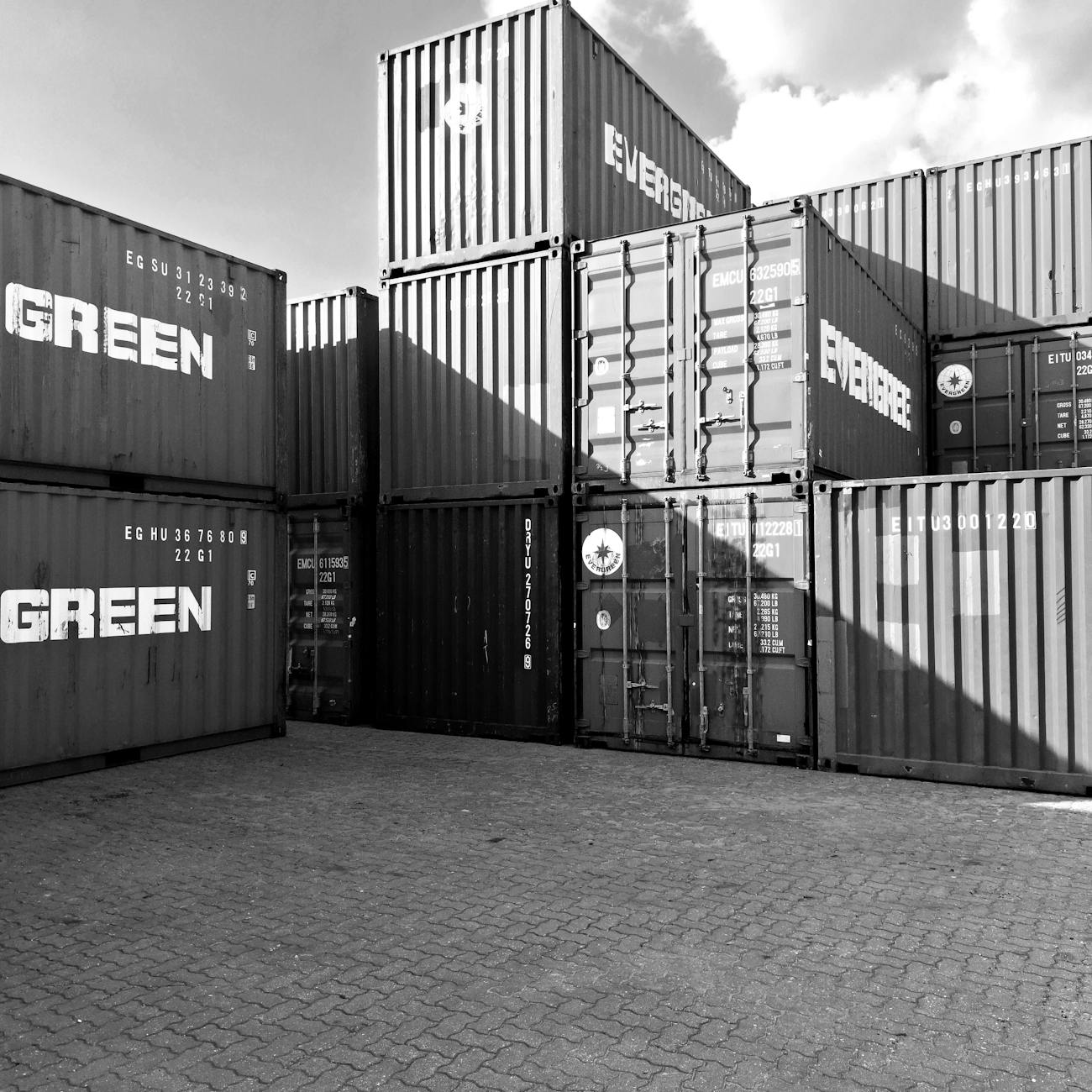
Container refers to a type of packaging or shipping container used to transport… #
Related terms include Shipping Container, Packaging, and Freight. In Warehouse Management, Container is used to transport goods, reducing transportation costs and improving supply chain efficiency. For instance, a warehouse can use containers to transport goods, reducing transportation costs and improving supply chain efficiency.
Containerization refers to the process of packing goods into containers for tran… #
Related terms include Container Shipping, Intermodal Transportation, and Freight Forwarding. In Warehouse Management, Containerization is used to pack goods into containers for transportation, reducing transportation costs and improving supply chain efficiency. For example, a warehouse can use containerization to pack goods into containers for transportation, reducing transportation costs and improving supply chain efficiency.
Contract refers to a type of agreement between two or more parties that outlines… #
Related terms include Purchase Order, Agreement, and Contract Management. In Warehouse Management, Contract is used to manage agreements between suppliers, manufacturers, and retailers, reducing errors and improving supply chain efficiency. For instance, a warehouse can use contracts to manage agreements between suppliers, manufacturers, and retailers, reducing errors and improving supply chain efficiency.
Contract Manufacturing refers to the practice of outsourcing production to a thi… #
Related terms include Outsourcing, Third-Party Manufacturing, and Supply Chain Optimization. In Warehouse Management, Contract Manufacturing is used to outsource production to a third-party manufacturer, reducing production costs and improving supply chain efficiency. For example, a warehouse can use contract manufacturing to outsource production to a third-party manufacturer, reducing production costs and improving supply chain efficiency.
Controlled Atmosphere (CA) refers to a type of storage or transportation environ… #
Related terms include Temperature Control, Humidity Control, and Atmospheric Control. In Warehouse Management, CA is used to store or transport goods in a controlled environment, reducing the risk of spoilage or damage and improving supply chain efficiency. For instance, a warehouse can use CA to store or transport goods in a controlled environment, reducing the risk of spoilage or damage and improving supply chain efficiency.
Cool Chain refers to the transportation and storage of temperature #
sensitive products, such as pharmaceuticals or perishable goods, which is essential for logistics and supply chain management. In Warehouse Management, Cool Chain is used to transport and store temperature-sensitive products, reducing the risk of spoilage or damage and improving supply chain efficiency. For example, a warehouse can use cool chain to transport and store temperature-sensitive products, reducing the risk of spoilage or damage and improving supply chain efficiency.
Cost, Insurance, and Freight (CIF) refers to a type of pricing that includes the… #
Related terms include Cost and Freight, Free on Board, and Delivered Duty Paid. In Warehouse Management, CIF is used to manage pricing and costs, reducing errors and improving supply chain efficiency. For instance, a warehouse can use CIF to manage pricing and costs, reducing errors and improving supply chain efficiency.
Cost Accounting refers to the process of assigning costs to specific products, s… #
Related terms include Cost Management, Activity-Based Costing, and Supply Chain Costing. In Warehouse Management, Cost Accounting is used to assign costs to specific products, services, or activities, reducing errors and improving supply chain efficiency. For example, a warehouse can use cost accounting to assign costs to specific products, services, or activities, reducing errors and improving supply chain efficiency.
Cross #
Docking refers to the process of transporting goods from one location to another without storing them in a warehouse, which is commonly used in logistics and supply chain management. Related terms include Transloading, Cross-Shipping, and Intermodal Transportation. In Warehouse Management, Cross-Docking is used to reduce transportation costs and improve supply chain efficiency. For instance, a warehouse can use cross-docking to transport goods from one location to another without storing them in a warehouse, reducing transportation costs and improving supply chain efficiency.
Cube refers to a unit of measurement that represents the volume of a container o… #
Related terms include Cubic Foot, Cubic Meter, and Volume Measurement. In Warehouse Management, Cube is used to measure the volume of containers or shipments, reducing errors and improving supply chain efficiency. For example, a warehouse can use cube to measure the volume of containers or shipments, reducing errors and improving supply chain efficiency.
Customs Broker refers to a type of intermediary that assists with customs cleara… #
In Warehouse Management, Customs Broker is used to assist with customs clearance and compliance, reducing the risk of non-compliance and improving supply chain efficiency. For instance, a warehouse can use a customs broker to assist with customs clearance and compliance, reducing the risk of non-compliance and improving supply chain efficiency.
Customer Relationship Management (CRM) refers to the use of technology and proce… #
Related terms include Customer Service, Sales, and Marketing. In Warehouse Management, CRM is used to manage customer interactions and relationships, improving customer satisfaction and loyalty. For example, a warehouse can use CRM to manage customer interactions and relationships, improving customer satisfaction and loyalty, and then use this information to make informed decisions about inventory management, supply chain optimization, and customer service.
Cycle Counting refers to the process of counting and verifying inventory on a re… #
Related terms include Inventory Counting, Stocktaking, and Audit. In Warehouse Management, Cycle Counting is used to count and verify inventory on a regular basis, reducing errors and improving supply chain efficiency. For instance, a warehouse can use cycle counting to count and verify inventory on a regular basis, reducing errors and improving supply chain efficiency.
Data Warehouse refers to a type of database that stores and manages data from va… #
Related terms include Data Management, Business Intelligence, and Supply Chain Analytics. In Warehouse Management, Data Warehouse is used to store and manage data from various sources, improving business intelligence and supply chain analytics. For example, a warehouse can use a data warehouse to store and manage data from various sources, improving business intelligence and supply chain analytics, and then use this information to make informed decisions about inventory management, supply chain optimization, and customer service.
Deadweight refers to the weight of a container or shipment that is not usable or… #
Related terms include Tare Weight, Net Weight, and Gross Weight. In Warehouse Management, Deadweight is used to measure the weight of containers or shipments, reducing errors and improving supply chain efficiency. For instance, a warehouse can use deadweight to measure the weight of containers or shipments, reducing errors and improving supply chain efficiency.
Delivery refers to the act of transporting goods from a warehouse or distributio… #
Related terms include Shipping, Transportation, and Logistics. In Warehouse Management, Delivery is used to transport goods from a warehouse or distribution center to a customer, reducing transportation costs and improving supply chain efficiency. For example, a warehouse can use delivery to transport goods from a warehouse or distribution center to a customer, reducing transportation costs and improving supply chain efficiency.
Demand Planning refers to the process of forecasting and managing demand for pro… #
Related terms include Forecasting, Demand Management, and Supply Chain Planning. In Warehouse Management, Demand Planning is used to forecast and manage demand for products or services, reducing errors and improving supply chain efficiency. For instance, a warehouse can use demand planning to forecast and manage demand for products or services, reducing errors and improving supply chain efficiency.
Depot refers to a type of warehouse or distribution center that stores and manag… #
Related terms include Warehouse, Distribution Center, and Storage Facility. In Warehouse Management, Depot is used to store and manage inventory, reducing errors and improving supply chain efficiency. For example, a warehouse can use a depot to store and manage inventory, reducing errors and improving supply chain efficiency.
Direct Store Delivery (DSD) refers to the practice of delivering goods directly… #
Related terms include Direct-to-Store, Store Delivery, and Retail Logistics. In Warehouse Management, DSD is used to deliver goods directly to a retail store, reducing transportation costs and improving supply chain efficiency. For instance, a warehouse can use DSD to deliver goods directly to a retail store, reducing transportation costs and improving supply chain efficiency.
Distribution refers to the act of transporting goods from a warehouse or distrib… #
In Warehouse Management, Distribution is used to transport goods from a warehouse or distribution center to a customer, reducing transportation costs and improving supply chain efficiency. For example, a warehouse can use distribution to transport goods from a warehouse or distribution center to a customer, reducing transportation costs and improving supply chain efficiency.
Distribution Center (DC) refers to a type of warehouse or facility that stores a… #
Related terms include Warehouse, Depot, and Storage Facility. In Warehouse Management, DC is used to store and manage inventory, reducing errors and improving supply chain efficiency. For instance, a warehouse can use a DC to store and manage inventory, reducing errors and improving supply chain efficiency.
Dock refers to a type of loading or unloading area in a warehouse or distributio… #
Related terms include Loading Dock, Unloading Dock, and Cross-Docking. In Warehouse Management, Dock is used to load or unload goods, reducing transportation costs and improving supply chain efficiency. For example, a warehouse can use a dock to load or unload goods, reducing transportation costs and improving supply chain efficiency.
Drop Shipping refers to the practice of shipping goods directly from a supplier… #
Related terms include Direct Shipping, Supplier-to-Customer, and E-commerce Logistics. In Warehouse Management, Drop Shipping is used to ship goods directly from a supplier to a customer, reducing inventory levels and improving supply chain efficiency. For instance, a warehouse can use drop shipping to ship goods directly from a supplier to a customer, reducing inventory levels and improving supply chain efficiency.
Dry Cargo refers to a type of cargo that is not perishable or temperature #
sensitive, which is commonly used in logistics and supply chain management. Related terms include Dry Goods, Non-Perishable Goods, and General Cargo. In Warehouse Management, Dry Cargo is used to transport goods that are not perishable or temperature-sensitive, reducing transportation costs and improving supply chain efficiency. For example, a warehouse can use dry cargo to transport goods that are not perishable or temperature-sensitive, reducing transportation costs and improving supply chain efficiency.
Dynamic Pricing refers to the practice of adjusting prices in response to change… #
Related terms include Price Optimization, Demand-Based Pricing, and Supply Chain Pricing. In Warehouse Management, Dynamic Pricing is used to adjust prices in response to changes in demand or supply, improving revenue and profitability. For instance, a warehouse can use dynamic pricing to adjust prices in response to changes in demand or supply, improving revenue and profitability.
E-Commerce refers to the practice of buying and selling goods or services online… #
Related terms include Online Shopping, Digital Commerce, and E-tailing. In Warehouse Management, E-Commerce is used to manage online orders and shipments, reducing errors and improving supply chain efficiency. For example, a warehouse can use e-commerce to manage online orders and shipments, reducing errors and improving supply chain efficiency.