
Marine Salvage Vessels and Equipment
Expert-defined terms from the Postgraduate Certificate in Marine Salvage Operations course at HealthCareCourses (An LSIB brand). Free to read, free to share, paired with a professional course.
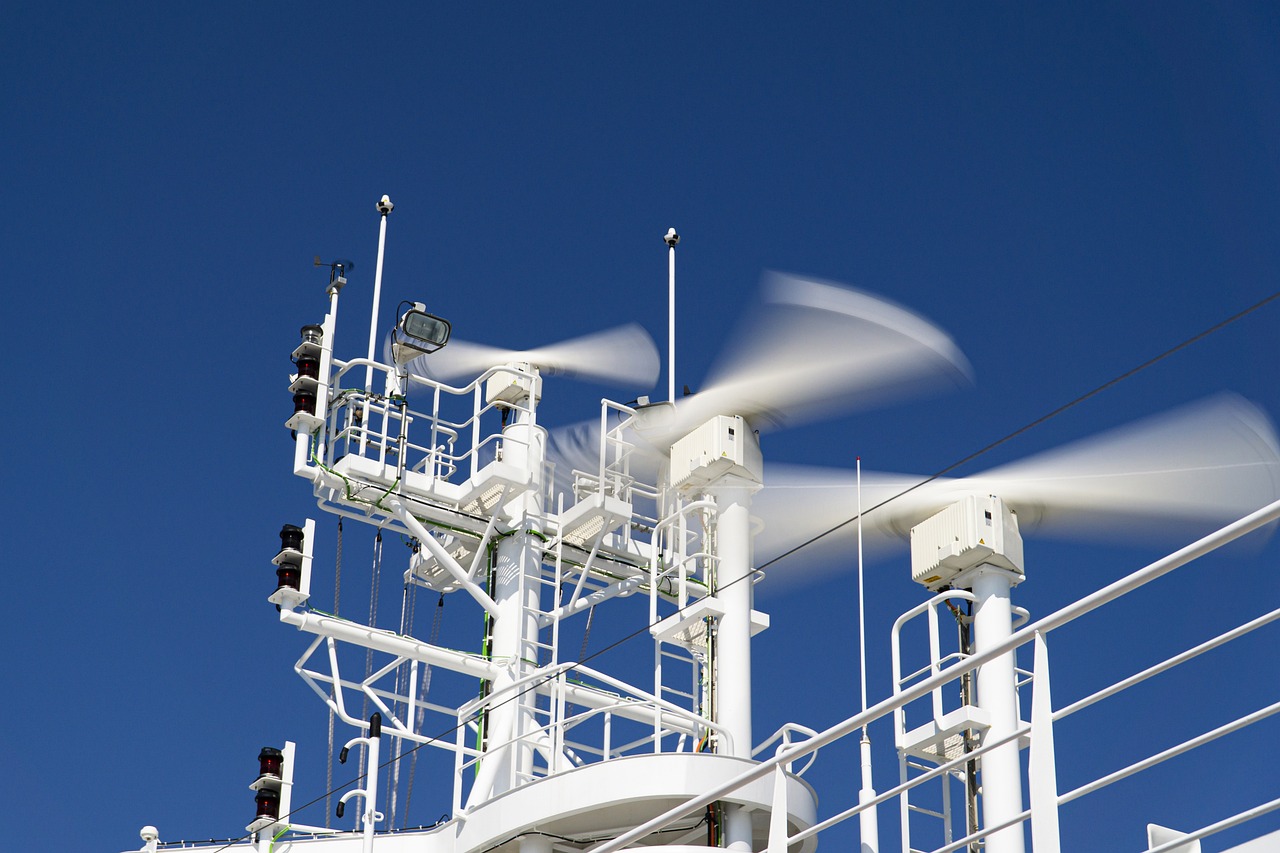
A-Frame: A type of lifting device used in marine salvage operations, cons… #
Related terms: Crane, derrick, winch. The A-Frame is an essential piece of equipment in marine salvage, as it allows for the safe and efficient lifting of vessels and other objects.
Aerial Survey #
A method of surveying a marine salvage site using airborne sensors and cameras to gather data and assess the situation. Related terms: Remote sensing, photogrammetry, geographic information system (GIS). Aerial surveys are useful in marine salvage operations as they provide a broad overview of the site and can help identify potential hazards and challenges.
Air Compression #
The process of compressing air to a high pressure, used in marine salvage operations to power tools and equipment. Related terms: Air compressor, pneumatic tool! Air hose. Air compression is a crucial aspect of marine salvage, as it provides the power needed to operate equipment and tools.
Air Lift Bag #
An inflatable bag used to lift and move vessels and other objects in marine salvage operations. Related terms: Lift bag, inflatable bag, salvage bag. Air lift bags are a common tool in marine salvage, as they provide a safe and efficient way to lift and move vessels and other objects.
Anchoring System #
A system used to secure a vessel or object in place, consisting of anchors, chains, and ropes. Related terms: Anchor, mooring, towing. Anchoring systems are essential in marine salvage, as they provide a secure and stable way to hold a vessel or object in place.
Archimedes Principle #
A fundamental principle in physics that states that the buoyancy force on an object is equal to the weight of the fluid displaced by the object. Related terms: Buoyancy, fluid dynamics, hydrostatics. The Archimedes Principle is a key concept in marine salvage, as it helps to understand the behavior of vessels and objects in the water.
Ballast System #
A system used to control the stability and buoyancy of a vessel, by adding or removing ballast (water or weight) from the vessel. Related terms: Ballast tank, ballast water, stability. Ballast systems are critical in marine salvage, as they help to maintain the stability and buoyancy of a vessel.
Beach Gear #
Equipment used to stabilize and secure a vessel on a beach or in shallow water, consisting of anchors, chains, and ropes. Related terms: Beaching, grounding, stranding. Beach gear is essential in marine salvage, as it provides a secure and stable way to hold a vessel in place.
Bilge System #
A system used to remove water and other fluids from the bilge (lowest part) of a vessel. Related terms: Bilge pump, bilge water, drainage. Bilge systems are crucial in marine salvage, as they help to remove water and other fluids that can damage the vessel.
Buoy #
A floating device used to mark a location or provide buoyancy in marine salvage operations. Related terms: Buoyancy, floatation, marker buoy. Buoys are a common tool in marine salvage, as they provide a visible marker and can help to provide buoyancy to vessels and objects.
Buoyancy #
The upward force exerted on an object by a fluid (such as water), due to the difference in density between the object and the fluid. Related terms: Archimedes Principle, fluid dynamics, hydrostatics. Buoyancy is a key concept in marine salvage, as it helps to understand the behavior of vessels and objects in the water.
Cable Laying #
The process of laying underwater cables, such as power or communication cables, in marine salvage operations. Related terms: Cable, underwater construction, offshore engineering. Cable laying is an important aspect of marine salvage, as it provides a means of communication and power transmission.
Caisson #
A large, watertight structure used to enclose a vessel or object in marine salvage operations, allowing for dry access and repair. Related terms: Dry dock, cofferdam, marine construction. Caissons are a crucial tool in marine salvage, as they provide a dry and stable environment for repair and maintenance.
Catenary #
The curved shape of a cable or chain under tension, used to calculate the load and stress on the cable or chain. Related terms: Cable, chain, tension. Catenary is an important concept in marine salvage, as it helps to understand the behavior of cables and chains under tension.
Chain #
A series of linked metal rings used to lift or move heavy objects in marine salvage operations. Related terms: Cable, rope, lifting gear. Chains are a common tool in marine salvage, as they provide a strong and durable means of lifting and moving heavy objects.
Coastal Engineering #
The application of engineering principles to the design and construction of coastal structures, such as seawalls, jetties, and breakwaters. Related terms: Coastal zone management, marine engineering, offshore engineering. Coastal engineering is an important aspect of marine salvage, as it provides a means of designing and constructing coastal structures that can withstand natural and human-induced hazards.
Cofferdam #
A watertight structure used to enclose a vessel or object in marine salvage operations, allowing for dry access and repair. Related terms: Dry dock, caisson, marine construction. Cofferdams are a crucial tool in marine salvage, as they provide a dry and stable environment for repair and maintenance.
Compression #
The process of squeezing a gas or fluid to a smaller volume, used in marine salvage operations to power tools and equipment. Related terms: Compressor, pneumatic tool, air hose. Compression is a key concept in marine salvage, as it provides the power needed to operate equipment and tools.
Crane #
A type of lifting device used in marine salvage operations, consisting of a boom and winch, used to lift and move heavy objects. Related terms: Derrick, A-Frame, lifting gear. Cranes are a common tool in marine salvage, as they provide a safe and efficient means of lifting and moving heavy objects.
Davit #
A type of crane or lifting device used in marine salvage operations, consisting of a boom and winch, used to lift and move heavy objects. Related terms: Crane, derrick, lifting gear. Davits are a crucial tool in marine salvage, as they provide a safe and efficient means of lifting and moving heavy objects.
Decompression #
The process of releasing pressure from a gas or fluid, used in marine salvage operations to prevent damage to equipment and tools. Related terms: Compression, pressure, pneumatic tool. Decompression is an important concept in marine salvage, as it helps to prevent damage to equipment and tools.
Derrick #
A type of lifting device used in marine salvage operations, consisting of a boom and winch, used to lift and move heavy objects. Related terms: Crane, A-Frame, lifting gear. Derricks are a common tool in marine salvage, as they provide a safe and efficient means of lifting and moving heavy objects.
Diffuser #
A device used to distribute fluid or gas in a specific pattern, used in marine salvage operations to prevent erosion or sedimentation. Related terms: Nozzle, venturi, fluid dynamics. Diffusers are an important tool in marine salvage, as they help to prevent erosion or sedimentation.
Drag #
The force exerted on an object by a fluid (such as water), due to the velocity and viscosity of the fluid. Related terms: Fluid dynamics, hydrostatics, buoyancy. Drag is a key concept in marine salvage, as it helps to understand the behavior of vessels and objects in the water.
Dry Dock #
A watertight structure used to enclose a vessel or object in marine salvage operations, allowing for dry access and repair. Related terms: Caisson, cofferdam, marine construction. Dry docks are a crucial tool in marine salvage, as they provide a dry and stable environment for repair and maintenance.
Dynamic Positioning #
A system used to control the position and heading of a vessel, using thrusters and sensors. Related terms: Positioning system, navigation, marine engineering. Dynamic positioning is an important aspect of marine salvage, as it provides a means of controlling the position and heading of a vessel.
Eddy Current #
A rotating fluid motion that forms behind an object, used in marine salvage operations to predict and prevent erosion or sedimentation. Eddy currents are a key concept in marine salvage, as they help to understand the behavior of vessels and objects in the water.
Fender #
A protective device used to absorb impact and prevent damage to vessels and objects in marine salvage operations. Related terms: Bumper, cushion, marine construction. Fenders are a crucial tool in marine salvage, as they provide a means of protecting vessels and objects from damage.
Floodable Compartment #
A watertight compartment that can be flooded with water to stabilize a vessel or object in marine salvage operations. Floodable compartments are an important aspect of marine salvage, as they provide a means of stabilizing a vessel or object.
Fluid Dynamics #
The study of the behavior of fluids (such as water) in motion, used in marine salvage operations to predict and prevent erosion or sedimentation. Related terms: Hydrostatics, buoyancy, drag. Fluid dynamics is a key concept in marine salvage, as it helps to understand the behavior of vessels and objects in the water.
Geographic Information System (GIS) #
A computer-based system used to analyze and display geographic data, used in marine salvage operations to plan and execute salvage operations. Related terms: Remote sensing, photogrammetry, aerial survey. GIS is an important tool in marine salvage, as it provides a means of analyzing and displaying geographic data.
Grounding #
The process of intentionally beaching a vessel or object on a shore or seabed, used in marine salvage operations to stabilize and repair the vessel or object. Related terms: Beaching, stranding, salvage. Grounding is an important aspect of marine salvage, as it provides a means of stabilizing and repairing a vessel or object.
Hydrostatics #
The study of the behavior of fluids (such as water) at rest, used in marine salvage operations to predict and prevent erosion or sedimentation. Related terms: Fluid dynamics, buoyancy, drag. Hydrostatics is a key concept in marine salvage, as it helps to understand the behavior of vessels and objects in the water.
Inert Gas #
A non-reactive gas used to displace oxygen and prevent combustion in marine salvage operations. Related terms: Nitrogen, argon, fire prevention. Inert gas is an important tool in marine salvage, as it provides a means of preventing combustion and reducing the risk of fire.
Jacket #
A structural frame used to support a vessel or object in marine salvage operations, consisting of tubular members and connections. Related terms: Template, space frame, marine construction. Jackets are a crucial tool in marine salvage, as they provide a means of supporting a vessel or object.
Kedge Anchor #
A type of anchor used in marine salvage operations, consisting of a weight and chain, used to stabilize and secure a vessel or object. Kedge anchors are an important tool in marine salvage, as they provide a means of stabilizing and securing a vessel or object.
Lifting Gear #
Equipment used to lift and move heavy objects in marine salvage operations, consisting of cranes, derricks, and winches. Lifting gear is a crucial tool in marine salvage, as it provides a means of lifting and moving heavy objects.
Load Line #
A mark on a vessel indicating the maximum draft (depth) to which the vessel can be loaded safely. Related terms: Freeboard, draft, stability. Load lines are an important aspect of marine salvage, as they provide a means of ensuring the safe loading of a vessel.
Magnetic Compass #
A navigation instrument used to determine the direction of a vessel or object in marine salvage operations. Related terms: Compass, navigation, marine engineering. Magnetic compasses are a common tool in marine salvage, as they provide a means of determining the direction of a vessel or object.
Marine Construction #
The process of designing and building marine structures, such as vessels, platforms, and coastal structures. Related terms: Coastal engineering, offshore engineering, marine engineering. Marine construction is an important aspect of marine salvage, as it provides a means of designing and building marine structures that can withstand natural and human-induced hazards.
Marine Engineering #
The application of engineering principles to the design and construction of marine systems, such as propulsion, steering, and stability systems. Related terms: Naval architecture, marine construction, offshore engineering. Marine engineering is a key concept in marine salvage, as it helps to understand the behavior of vessels and objects in the water.
Mooring #
The process of securing a vessel or object to a fixed point, such as a dock or buoy, using ropes, chains, or anchors. Related terms: Anchoring, towing, marine construction. Mooring is an important aspect of marine salvage, as it provides a means of securing a vessel or object to a fixed point.
Offshore Engineering #
The application of engineering principles to the design and construction of offshore structures, such as oil rigs, wind farms, and coastal structures. Related terms: Coastal engineering, marine engineering, marine construction. Offshore engineering is an important aspect of marine salvage, as it provides a means of designing and constructing offshore structures that can withstand natural and human-induced hazards.
Pneumatic Tool #
A tool powered by compressed air, used in marine salvage operations to drive fasteners, cut materials, and perform other tasks. Related terms: Air compressor, air hose, compression. Pneumatic tools are a common tool in marine salvage, as they provide a means of powering tools and equipment.
Positioning System #
A system used to determine the position and heading of a vessel or object, using GPS, gyrocompasses, and other navigation instruments. Related terms: Navigation, marine engineering, coastal engineering. Positioning systems are an important tool in marine salvage, as they provide a means of determining the position and heading of a vessel or object.
Pressure #
The force exerted on an object by a fluid (such as water), due to the weight and density of the fluid. Pressure is a key concept in marine salvage, as it helps to understand the behavior of vessels and objects in the water.
Propulsion #
The system used to move a vessel or object through the water, using engines, propellers, and other propulsion systems. Propulsion is an important aspect of marine salvage, as it provides a means of moving a vessel or object through the water.
Remote Sensing #
The process of collecting data about an object or area without being in physical contact, using sensors, cameras, and other remote sensing instruments. Related terms: Aerial survey, photogrammetry, geographic information system (GIS). Remote sensing is an important tool in marine salvage, as it provides a means of collecting data about an object or area without being in physical contact.
Rigging #
The system of ropes, chains, and pulleys used to lift and move heavy objects in marine salvage operations. Rigging is a crucial tool in marine salvage, as it provides a means of lifting and moving heavy objects.
Salvage #
The process of recovering a vessel or object from a distressed or damaged condition, using marine salvage techniques and equipment. Related terms: Marine salvage, wreck removal, coastal engineering. Salvage is an important aspect of marine salvage, as it provides a means of recovering a vessel or object from a distressed or damaged condition.
Sea State #
The condition of the sea in terms of wave height, period, and direction, used to predict and prevent erosion or sedimentation in marine salvage operations. Related terms: Wave, tide, current. Sea state is a key concept in marine salvage, as it helps to understand the behavior of vessels and objects in the water.
Seafloor #
The bottom of a body of water, such as an ocean or sea, used as a reference point in marine salvage operations. Related terms: Seabed, ocean floor, marine geology. Seafloor is an important aspect of marine salvage, as it provides a means of understanding the behavior of vessels and objects in the water.
Sedimentation #
The process of settling or depositing sediment, such as sand or mud, on the seafloor or shore, used in marine salvage operations to predict and prevent erosion or sedimentation. Related terms: Erosion, deposition, coastal engineering. Sedimentation is a key concept in marine salvage, as it helps to understand the behavior of vessels and objects in the water.
Shipyard #
A facility used for the construction, repair, and maintenance of vessels, used in marine salvage operations to repair and maintain vessels and objects. Related terms: Dry dock, marine construction, offshore engineering. Shipyard is an important aspect of marine salvage, as it provides a means of repairing and maintaining vessels and objects.
Space Frame #
A structural frame used to support a vessel or object in marine salvage operations, consisting of tubular members and connections. Related terms: Jacket, template, marine construction. Space frames are a crucial tool in marine salvage, as they provide a means of supporting a vessel or object.
Stability #
The ability of a vessel or object to resist capsizing or tilting, used in marine salvage operations to predict and prevent erosion or sedimentation. Related terms: Ballast, buoyancy, fluid dynamics. Stability is a key concept in marine salvage, as it helps to understand the behavior of vessels and objects in the water.
Stranding #
The process of intentionally beaching a vessel or object on a shore or seabed, used in marine salvage operations to stabilize and repair the vessel or object. Related terms: Grounding, beaching, salvage. Stranding is an important aspect of marine salvage, as it provides a means of stabilizing and repairing a vessel or object.
Subsea #
The area below the surface of the water, used in marine salvage operations to inspect and repair vessels and objects. Related terms: Underwater, marine geology, offshore engineering. Subsea is an important aspect of marine salvage, as it provides a means of inspecting and repairing vessels and objects below the surface of the water.
Template #
A pattern or guide used to construct or repair a vessel or object in marine salvage operations, consisting of tubular members and connections. Related terms: Jacket, space frame, marine construction. Templates are a crucial tool in marine salvage, as they provide a means of constructing or repairing a vessel or object.
Tension #
The force exerted on an object by a cable or chain, used in marine salvage operations to lift and move heavy objects. Related terms: Catenary, cable, chain. Tension is a key concept in marine salvage, as it helps to understand the behavior of cables and chains under tension.
Towing #
The process of pulling a vessel or object through the water, using a tugboat or other towing vessel. Related terms: Tugboat, towing vessel, marine salvage. Towing is an important aspect of marine salvage, as it provides a means of pulling a vessel or object through the water.
Underwater #
The area below the surface of the water, used in marine salvage operations to inspect and repair vessels and objects. Related terms: Subsea, marine geology, offshore engineering. Underwater is an important aspect of marine salvage, as it provides a means of inspecting and repairing vessels and objects below the surface of the water.
Underwater Construction #
The process of building or repairing structures underwater, such as pipelines, platforms, and coastal structures. Related terms: Offshore engineering, marine construction, coastal engineering. Underwater construction is an important aspect of marine salvage, as it provides a means of building or repairing structures underwater.
Wreck Removal #
The process of removing a vessel or object from the seafloor or shore, used in marine salvage operations to recover and repair the vessel or object. Related terms: Salvage, marine salvage, coastal engineering. Wreck removal is an important aspect of marine salvage, as it provides a means of recovering and repairing a vessel or object from the seafloor or shore.
Winch #
A type of lifting device used in marine salvage operations, consisting of a drum and rope, used to lift and move heavy objects. Winches are a common tool in marine salvage, as they provide a means of lifting and moving heavy objects.